Personal Humidifier Mask: Types, How They Work, and Which to Choose
A personal humidifier mask is a wearable device that adds moisture to the air you breathe. Some capture your own exhaled moisture and return it with each inhale. Others generate steam or mist from a water reservoir.
The category is broader than most people think. Three different tools share the name, and each one works in its own way, solves its own problems, and fits its own settings.
Key Takeaways
- A personal humidifier mask moistens inhaled air, but three very different technologies use that name.
- Passive HME masks capture exhaled moisture and return it with no water, batteries, or power.
- Steam inhalers heat water into vapor for targeted throat and sinus relief at home.
- Portable cool-mist devices use ultrasonic vibration to produce a fine mist, often USB-powered.
- The right choice depends on where dry air hits hardest: airplane cabins, hotel rooms, dry offices, or vocal prep.
What Is a Personal Humidifier Mask?
At its simplest, a personal humidifier mask is any face-worn device that raises the moisture in the air you breathe. The idea exists because the air around us is often far drier than our airways prefer.
Indoor air in heated or cooled buildings often sits at 20 to 30 percent. Airplane cabins are far worse, dropping to between 5% and 12% — drier than the Sahara, which sits around 25% (National Academies Press).
The best range for your airways is 40 to 50 percent. Air well below that can leave the throat dry, the nose raw, and the voice rough after just a few hours.
Three Types of Personal Humidifier Masks
The phrase "personal humidifier mask" covers three tools that work in very different ways. Knowing which is which makes the choice simple.

1. Passive HME Masks
HME stands for Heat and Moisture Exchange. It is the same type of tool used in medical breathing care to treat air for patients on ventilators.
A passive HME mask works with your own breath. When you exhale, warm moist air passes through a filter that captures the moisture before it escapes. When you inhale, fresh air flows back through that filter and picks up the stored humidity.
No water, no batteries, no electronics. The mask runs on moisture your body already makes — it just stops that moisture from being lost to the dry cabin or room.
Because they are compact and silent, passive HME masks are the only type suited for use on an airplane or while sleeping. They are also the lightest option for travel.
2. Steam Inhalers and Personal Vaporizers
Steam inhalers heat water to make warm vapor, which the user breathes through a face mask or cone. Many brands sell these to singers and people with stuffy sinuses.
They send high-moisture air straight to the airways and offer quick relief. Most units plug into a wall outlet and need distilled water to avoid buildup inside the chamber.
The trade-off is portability. Steam inhalers are countertop devices that need power, water, and a few minutes of setup. They work well at home but are not practical for travel.
Devices that emit vapor or steam are not allowed on airplanes.
3. Portable Cool-Mist Devices
Cool-mist personal humidifiers use ultrasonic pulses to break water into a fine mist. Some are handheld wands. Others clip onto a water bottle or sit on a nightstand.
They raise the moisture level of the air around you rather than sending it straight to your airways. USB models travel well, but they still need water to run.
Cool-mist devices suit dry offices and hotel rooms where a full-size humidifier would be too bulky. They do not seal to the face, so they are less targeted than either HME masks or steam inhalers.
Side-by-Side Comparison
| Feature | Passive HME Mask | Steam Inhaler | Cool-Mist Device |
|---|---|---|---|
| Power source | None | Wall outlet | USB or battery |
| Water needed | None | Distilled water | Any clean water |
| Portable for travel | Yes | No | Somewhat |
| Usable on an airplane | Yes | No | No |
| Usable while sleeping | Yes | No | Nearby only |
| Noise level | Silent | Low hum | Quiet hum |
| Moisture delivery | Direct to airways | Direct to airways | Ambient air |
| Best for | Flights, sleep, dry rooms | Home sinus relief, vocal prep | Desk, hotel, bedside |

Who Uses a Personal Humidifier Mask
The people drawn to these devices tend to fall into a few clear groups, each with a reason dry air hits their daily life.
Frequent Flyers
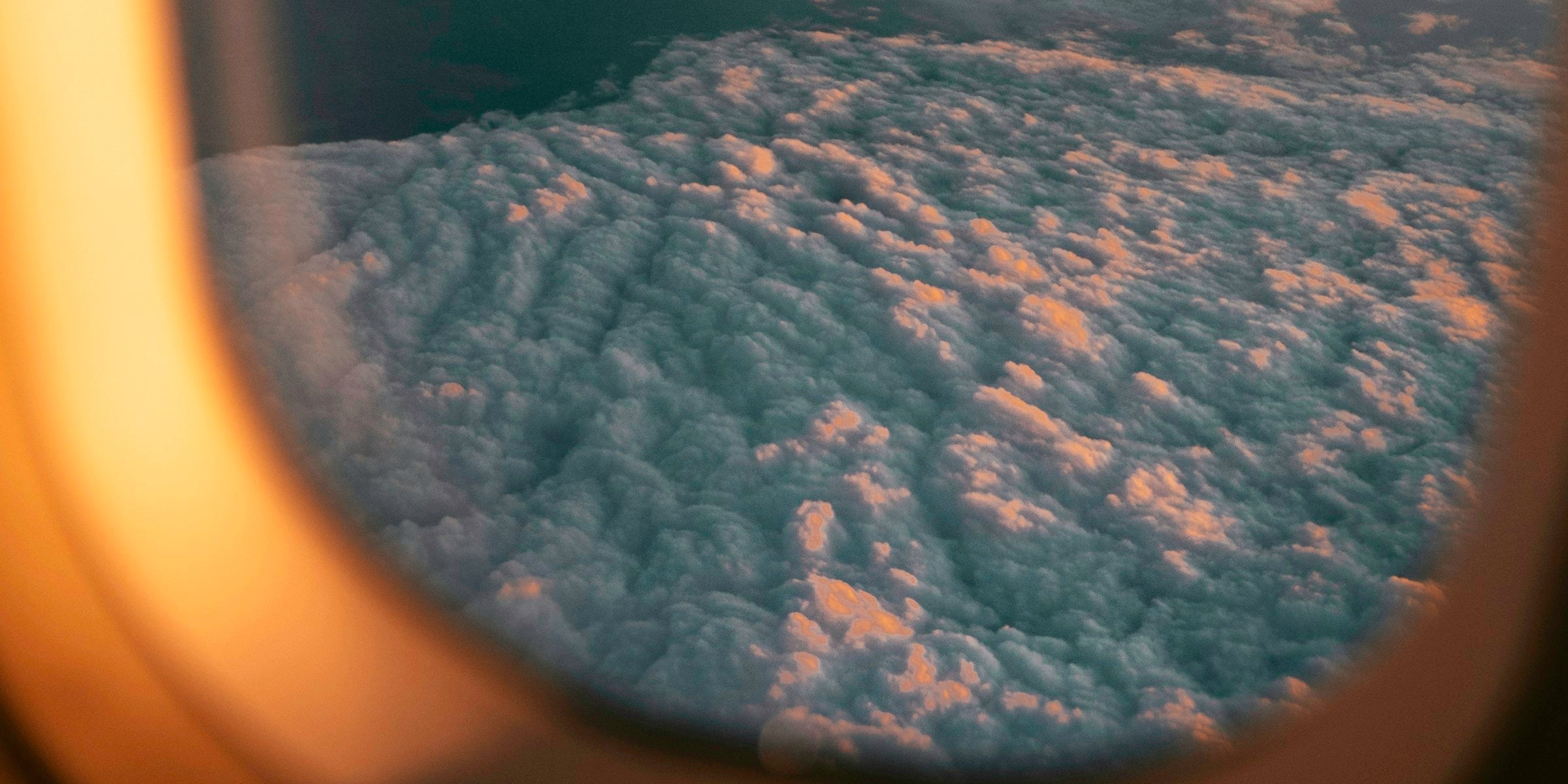
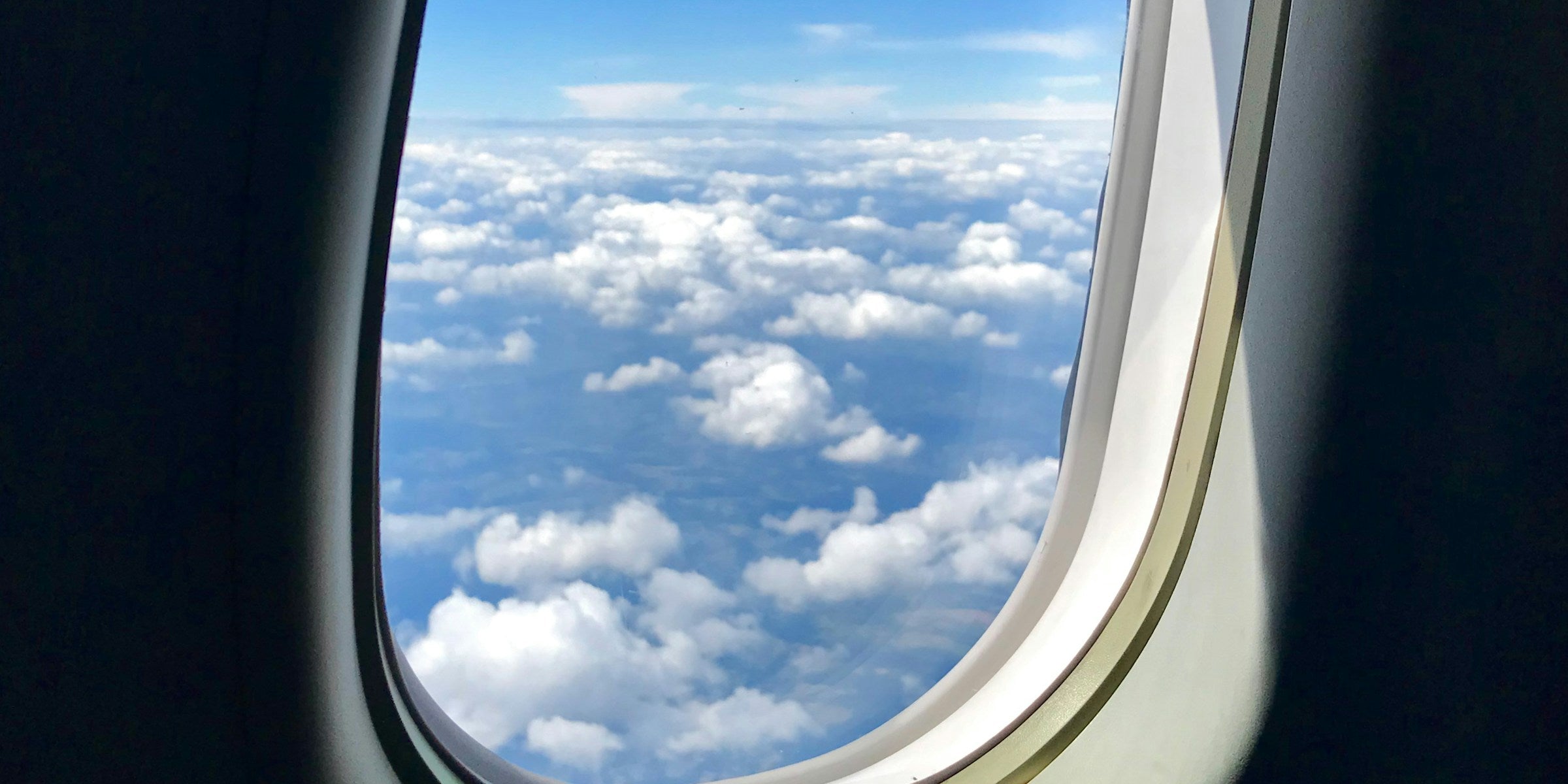
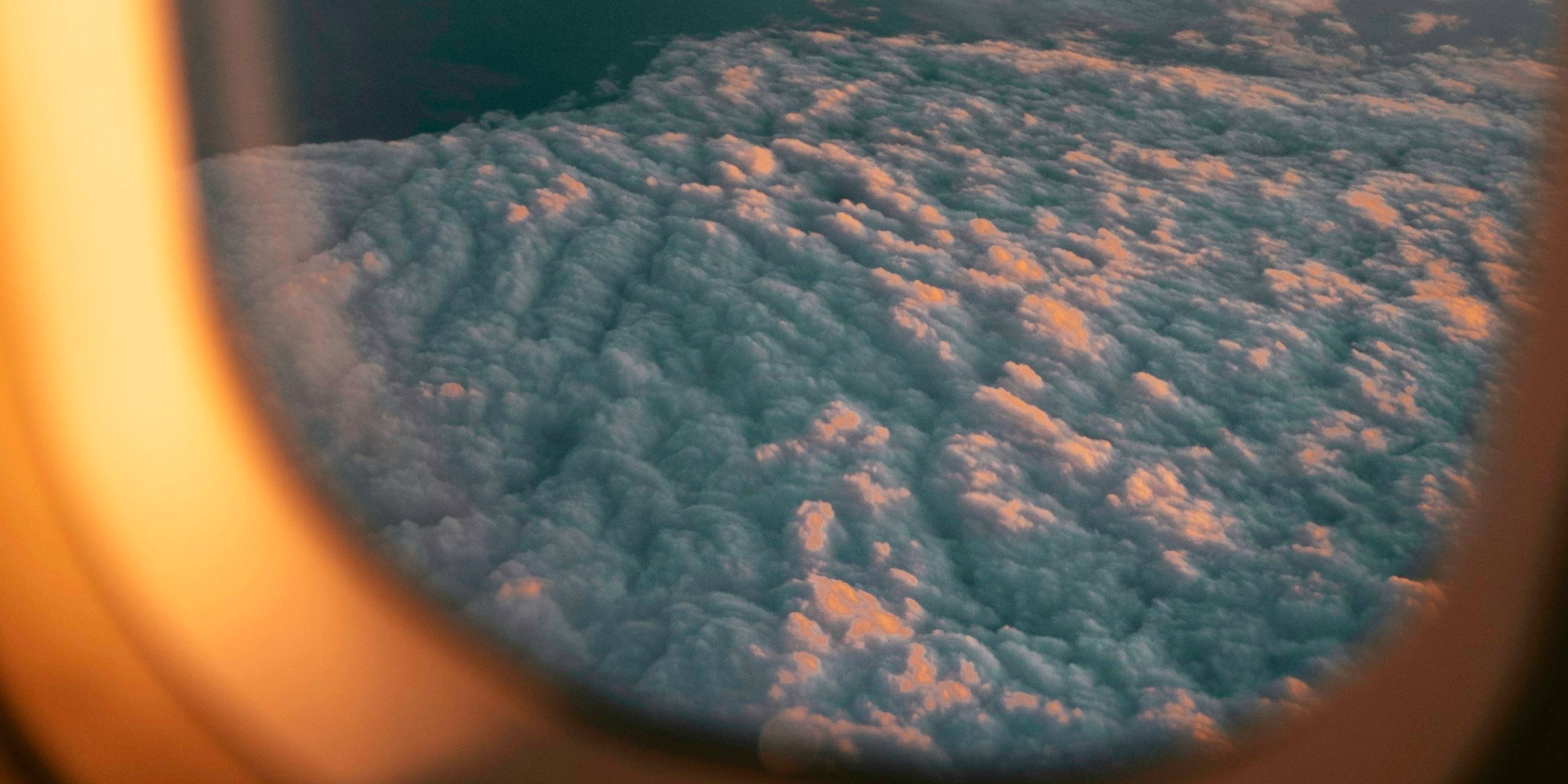
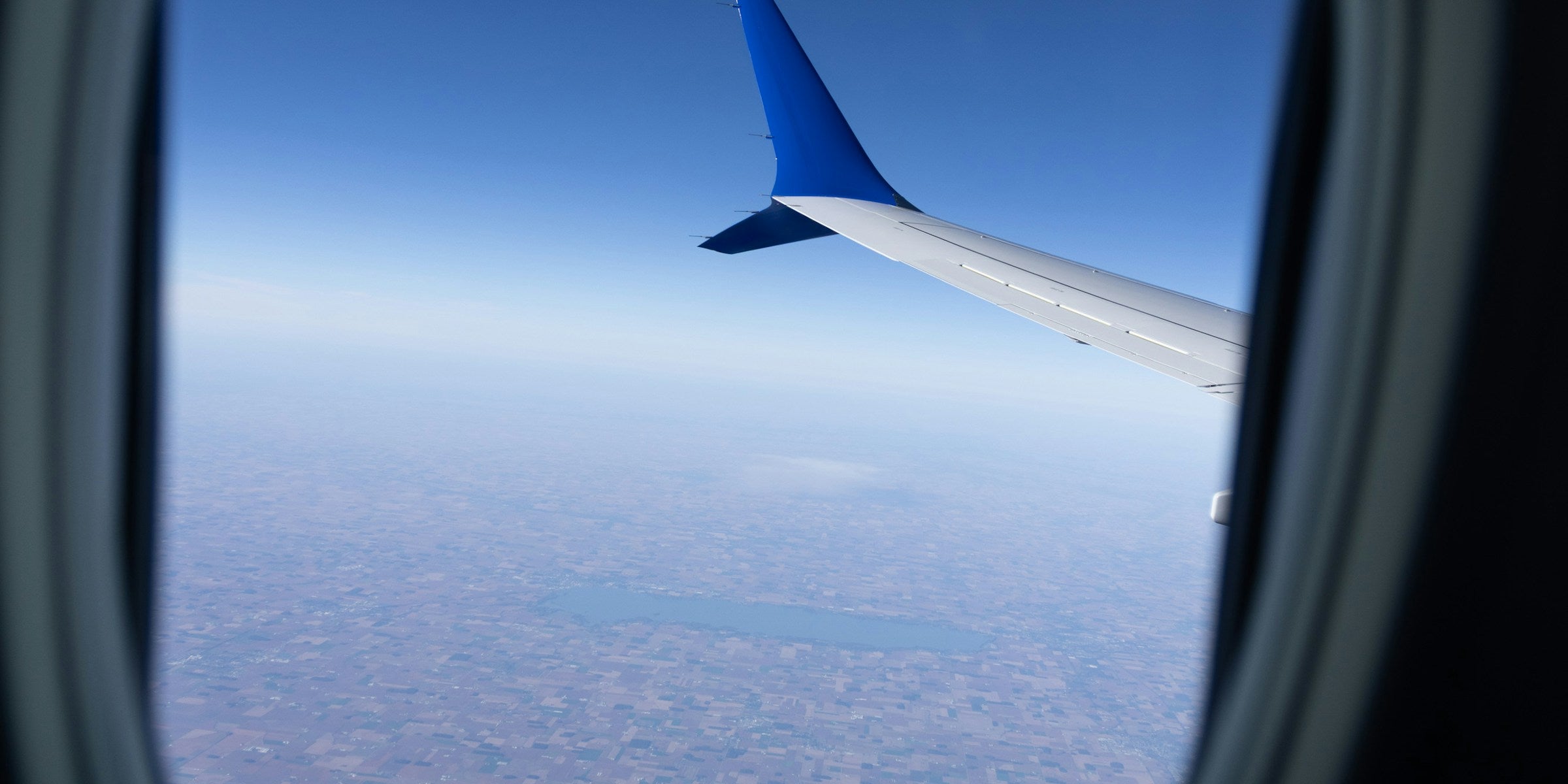
Airplane cabins sit between 5% and 12% humidity for the whole flight. Over a ten-hour crossing, that dryness adds up. Water loss from the airways can reach several hundred milliliters on a single long-haul trip.
Passive HME masks are the only category that works at altitude. No water to spill, no outlet needed, no noise to bother nearby passengers.
Voice Professionals
Singers, actors, and voice coaches depend on moist vocal folds for clear, steady sound. Dry air thickens the mucus on the vocal cords and forces the voice to work harder.
Many keep a steam inhaler at home for warm-ups and a passive HME mask in the travel bag to guard the voice between gigs. The two types serve different moments in the same routine.
People in Dry Indoor Environments
Air cooling and central heating both strip moisture from indoor air. Office workers and anyone in dry climates can spend most of the day in air well below 30%.
Cool-mist devices and HME masks worn overnight both address this, but differently. One raises the moisture level in the room. The other conditions air directly as you breathe it.
Dry Climates, High Altitude, and All-Day Wear
A flight is the sharpest version of this problem, not the only one. Denver sits a mile above sea level. Phoenix spends much of the year below 20% humidity. A ski lodge in February, a desert town in winter, an office where the air conditioning runs from March to October — the air in all of them pulls moisture out of you hour after hour, the same way cabin air does.
The physics are identical. Cold air and thin air both hold less water vapour than warm, dense air, and heating that air indoors drops the relative humidity further still. It is why a January morning in the mountains and a pressurised cabin can leave you with the same raw throat by evening.
Why Altitude Makes It Worse
Elevation compounds dryness twice over. There is less pressure holding water vapour in the air, so what you breathe starts drier. And thinner air tends to make people breathe a little harder, which moves more of it across the airways in the same amount of time.
People who move to Denver, Salt Lake City, or Mexico City often describe their first winter as one long nosebleed season. The same effect shows up on ski trips and mountain treks, where cold and elevation stack on each other. Why your throat hurts after skiing covers that version in detail.
What Changes Over a Full Day
Here an HME mask behaves differently on the ground than it does at altitude, and it is worth being straight about why.
An HME works on your own breath. Worn continuously through a three-hour flight, the exchange is steady — moisture goes into the filter on the exhale, comes back on the inhale, and the cycle never breaks. A working day is nothing like that. You take the mask off to eat, to take a call, to talk to someone properly, to step outside. Each break clears the filter's stored moisture, and the cycle restarts from nothing when you put it back on.
So the honest version is this. An HME mask gives you real relief during the stretches you actually wear it, and very little benefit across the gaps. It does not condition a room. For sustained indoor dryness, raising the humidity of the space itself does more of the work: a room humidifier through waking hours, and an HME mask for the seven or eight unbroken hours you spend asleep.
Matching the Tool to the Setting
- High-elevation home, year round: A room humidifier where you spend your time, plus an HME mask overnight.
- Ski week or desert trip: An HME mask for the flight and for sleeping. Hotel rooms are almost always drier than home.
- Dry office, long days: A cool-mist device at the desk. An HME mask only if you can wear it for long uninterrupted stretches.
- Singing or speaking in a dry city: Steam inhaler before the set, HME mask overnight. The Vegas throat playbook lays out that routine.
What a Personal Humidifier Mask Does Not Do
No personal humidifier mask is a medical device or a stand-in for medical treatment. These products add comfort by cutting moisture loss from the airways.
A passive HME mask does not filter viruses or allergens. A steam inhaler does not replace prescribed drugs. A cool-mist device does not raise room moisture enough to fix serious air quality problems.
Anyone with a breathing issue, ongoing sinus problems, or a voice disorder should speak with their doctor before adding any humidifier mask to their routine.
How to Choose the Right Type
The choice comes down to three things: where you will use it, whether you need to travel with it, and how directly you want the moisture sent to your airways.
- Flying or traveling: A passive HME mask. Nothing else works at altitude without water or power.
- Vocal warm-up before a show: A steam inhaler at home, paired with a passive HME mask for the flight to the venue.
- Dry office or hotel room: A portable cool-mist device for the space, or an HME mask for focused personal comfort.
- Sleeping in dry air: An HME mask worn overnight, or a bedside cool-mist humidifier for gentle ambient moisture.

Many people who deal with dry air regularly end up owning more than one type. A steam inhaler at home and a passive HME mask in the carry-on is a common setup among touring musicians.
Frequently Asked Questions
Do personal humidifier masks actually work?
Passive HME masks use proven tools from breathing medicine. Studies confirm that HME filters recover a real share of exhaled moisture. For a closer look at the proof, see do humidifier masks for flying actually work.
Can you wear a humidifier mask on a plane?
Yes. Passive HME masks need no water and no power, so they are allowed and practical on any commercial flight. Steam inhalers and cool-mist devices are not suited for in-flight use.
Does a humidifier mask help if I live somewhere dry rather than fly a lot?
It helps during the hours you wear it, which for most people means overnight. An HME mask conditions the air you breathe, not the air in the room, so it does not replace a humidifier for daytime use at home or at a desk. In a dry climate, the two work best together.
Is a personal humidifier mask the same as a CPAP machine?
No. A CPAP machine pushes air under pressure to keep the airway open during sleep. It is prescribed for sleep apnea. A personal humidifier mask is a comfort product for normal breathing in dry air — it does not treat a sleep disorder.
How long does the filter last in a passive HME mask?
Most HME filters are reusable if they are properly maintained. However some users prefer to replace the filter after a few uses. Follow the maker's guidance on filter life.
Can a humidifier mask help with a sore throat after flying?
Dry cabin air is a common cause of post-flight throat pain. Wearing a passive HME mask during the flight cuts moisture loss, which helps the throat stay more at ease. It does not treat an illness or infection.
Finding the Right Fit
A personal humidifier mask solves a real, common problem: air that is too dry for comfort. The science behind each type is well-proven, whether passive HME, heated steam, or cool mist.
The right choice depends on where and when dry air affects you most. For travelers who feel the toll of cabin air on every flight, a passive HME mask built for flying is the most practical place to start.
Photography: Kornél Máhl, Francesco Liotti, Julian Hochgesang, Mick Haupt via Unsplash.