Insensible Water Loss on Airplanes: What Dry Cabin Air Actually Does to Your Airways
You know the feeling. A few hours into a flight, your nose feels stuffed, your throat gets scratchy, and your lips start cracking. You reach for the water bottle. Drink more. Keep drinking. And by the time you land, you still feel dried out.
That's because the problem isn't in your stomach. It's in your airways.
What you're experiencing has a clinical name: insensible water loss. It happens with every breath you take at altitude. And the science is surprisingly clear about why your water bottle can't fix it.
What is insensible water loss?
Insensible water loss is the water your body loses without you noticing. Unlike sweat, which you can see and feel, insensible loss happens passively, through your skin and through your respiratory tract. You can't control it. You can't feel it happening. And under certain conditions, it speeds up.
In a normal day at normal humidity, your respiratory tract alone loses about 400 mL of water. Roughly a small bottle's worth. This comes from the lining of your airways, which must stay moist to function properly. Every time you exhale, warm, humid air from your lungs meets cooler, drier air outside your body, and some of that moisture escapes.
The drier the air you're breathing, the more moisture each breath pulls from your airway surfaces.
Source: Insensible Fluid Loss, StatPearls, National Library of Medicine (NCBI Bookshelf)
What makes airplane cabins different
At cruising altitude, the air feeding into the cabin comes from outside the aircraft, where temperatures sit around -60°C and there's almost no moisture. Even after the environmental control system warms it, cabin humidity settles between 5 and 12%. A typical office or home sits at 40–50%.
That's a steep gap. And your airways feel it immediately.
A survey of 3,630 airline passengers found that dry or stuffy nose was one of the most common complaints during flights, and it got worse on longer routes. The researchers noted that seat comfort, air smoothness, and air quality were the top factors passengers cared about.
Source: Passenger Comfort and the Effect of Air Quality, ASTM International (ASTM)

Respiratory water loss: where the moisture actually goes
Most people assume the moisture they lose on flights comes from somewhere deep inside their body. It doesn't. It comes directly off the surface of their airways: nasal passages, throat, upper respiratory tract.
This is respiratory water loss, and it's the primary route for insensible water loss on airplanes.
Your airways are lined with a thin mucus layer that traps particles and keeps tissues from drying out. Tiny hair-like structures called cilia sweep that mucus along, clearing out whatever you've inhaled. This system, called mucociliary clearance, is how your respiratory tract cleans itself.
In 1988, researchers at Cochin Hospital in Paris tested what happens when healthy subjects breathe dry air for just 30 minutes. The result: nasal mucociliary clearance slowed significantly. The dry air pulled so much water off the mucus layer that it changed the mucus's consistency and slowed the cilia down.
Thirty minutes. That's barely past takeoff.
Source: Salah B, Dinh Xuan AT, Fouilladieu JL, et al. "Nasal mucociliary transport in healthy subjects is slower when breathing dry air." European Respiratory Journal, 1988;1(9):852–855.

Drinking water won't fix it
This is counterintuitive, but the research is clear: hydrating by mouth doesn't restore the moisture your airways lose to dry air.
A 2012 study published in Auris Nasus Larynx put 14 healthy subjects in a chamber at 23°C and 10% relative humidity (conditions mimicking an airplane cabin) for four hours. One group drank plain water beforehand. Another drank an electrolyte solution. A third had nothing.
The result: prehydration with plain water made no measurable difference to nasal mucociliary clearance compared to drinking nothing at all. The electrolyte group fared slightly better at the two-hour mark, but even that benefit faded.
The reason is basic physiology. The water you drink enters your stomach, gets absorbed into your bloodstream, and distributes across your whole body. But your airway lining loses moisture directly to the air passing over it. The water in your gut and the water evaporating off your nasal mucosa are barely connected.
Drinking water on flights is still a good idea. Just don't expect it to fix insensible water loss in your airways.
Source: Takahashi R, Ishida M, Saitoh M, et al. "Effect of prehydration on nasal mucociliary clearance in low relative humidity." Auris Nasus Larynx, 2012;39(1):48–52. (PubMed)

What about your voice?
Ever land from a long flight and notice your voice sounds rough? There's a reason for that.
Research by Sivasankar and Fisher (2002) showed that just 15 minutes of mouth breathing, which becomes the default when your nose is congested, measurably raises the phonation threshold pressure. That's the minimum air pressure your lungs need to produce sound. Put simply, it takes more effort to talk.
Later work by Tanner (2014) confirmed that humidification reverses the effect. When the inhaled air carries adequate moisture, the vocal folds recover.
For singers, actors, broadcasters, and podcasters, this goes beyond discomfort. Respiratory water loss at altitude is a real occupational hazard.
Source: Sivasankar M, Fisher KV. "Oral breathing increases Pth and vocal effort by superficial drying of vocal fold mucosa." Journal of Voice, 2002;16(2):172–181.

What actually helps: humidified air
If the problem is dry air stripping moisture from your airway surfaces, the logical solution is to humidify the air before it reaches those surfaces.
A 2019 randomized controlled trial published in PLOS ONE by Hiroshi Kimura tested exactly this. Thirty-seven volunteers wore a heated humidification mask in a double-blind crossover trial. Compared to placebo, the humidification mask reduced nasal resistance and shifted breathing patterns: lower respiratory rate, higher tidal volume. The subjects were breathing more efficiently through their noses.
Separately, research on CPAP therapy (used for sleep apnea) consistently shows that adding heated humidification reduces nasal dryness, sore throat, and mouth dryness. A study by Massie et al. (1999), published in Chest, found that humidification was the only condition where patients reported waking up feeling more refreshed.
Keep the air moist before it reaches your airways, and your body's own defenses stay intact.
Sources:
- Kimura H. "The effects of heated humidification to nasopharynx on nasal resistance and breathing pattern." PLOS ONE, 2019;14(2):e0210957. (Full text)
- Massie CA, Hart RW, Peralez K, Richards GN. "Effects of humidification on nasal symptoms and compliance in sleep apnea patients using continuous positive airway pressure." Chest, 1999;116(2):403–408.
So what does this mean for travelers?
Insensible water loss on airplanes is real, but it's more specific than most people think. Every breath at altitude pulls moisture from your airway surfaces, from the tissue lining your nose, throat, and vocal tract. Dry cabin air doesn't cause whole-body dehydration, but it does impair the mucociliary system that keeps your respiratory tract comfortable and functioning.
Drinking water on flights? Still worth it. But it doesn't reach the surfaces where the moisture is actually leaving.
The moisture leaving your airways is a surface problem. And it needs air-side intervention, not stomach-side.
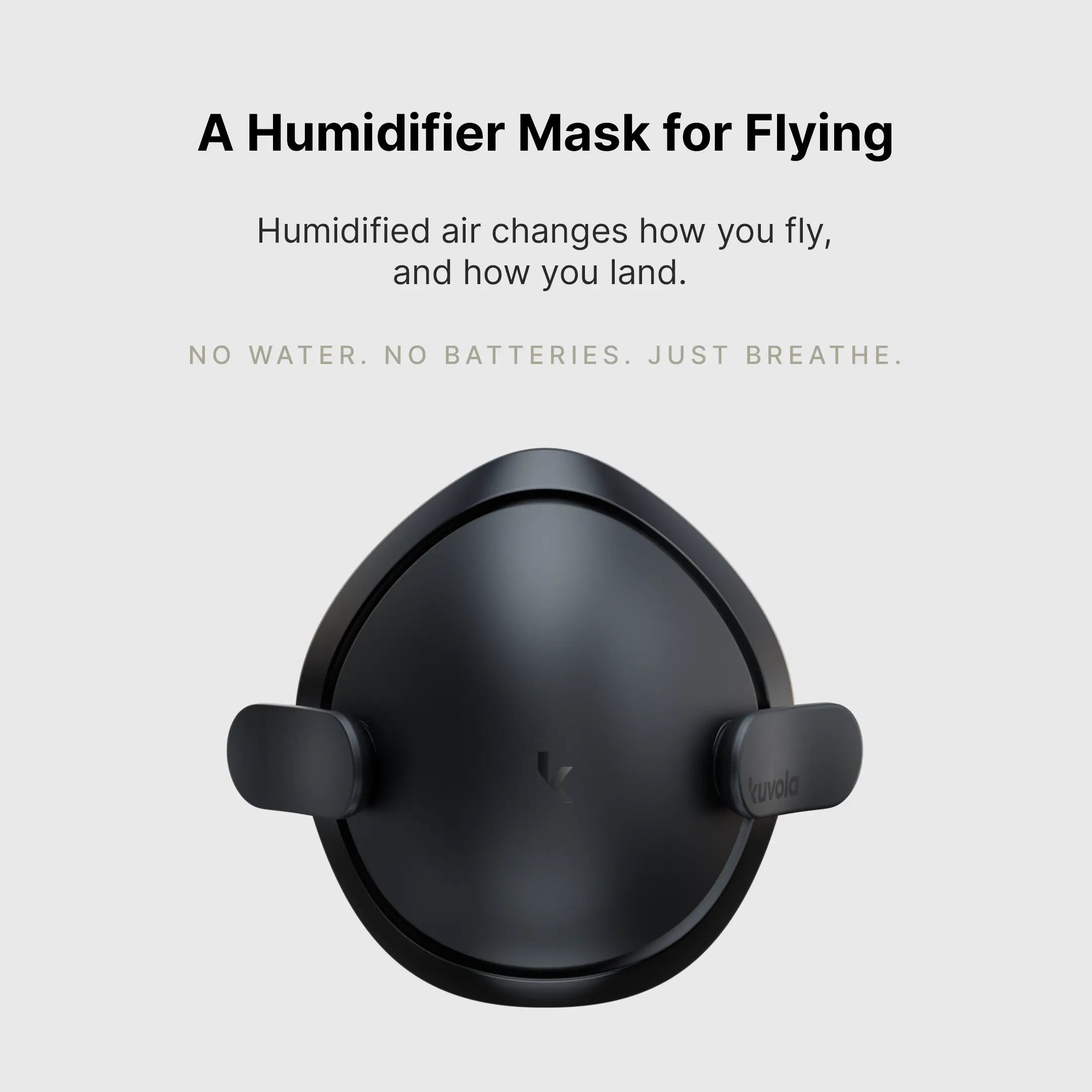
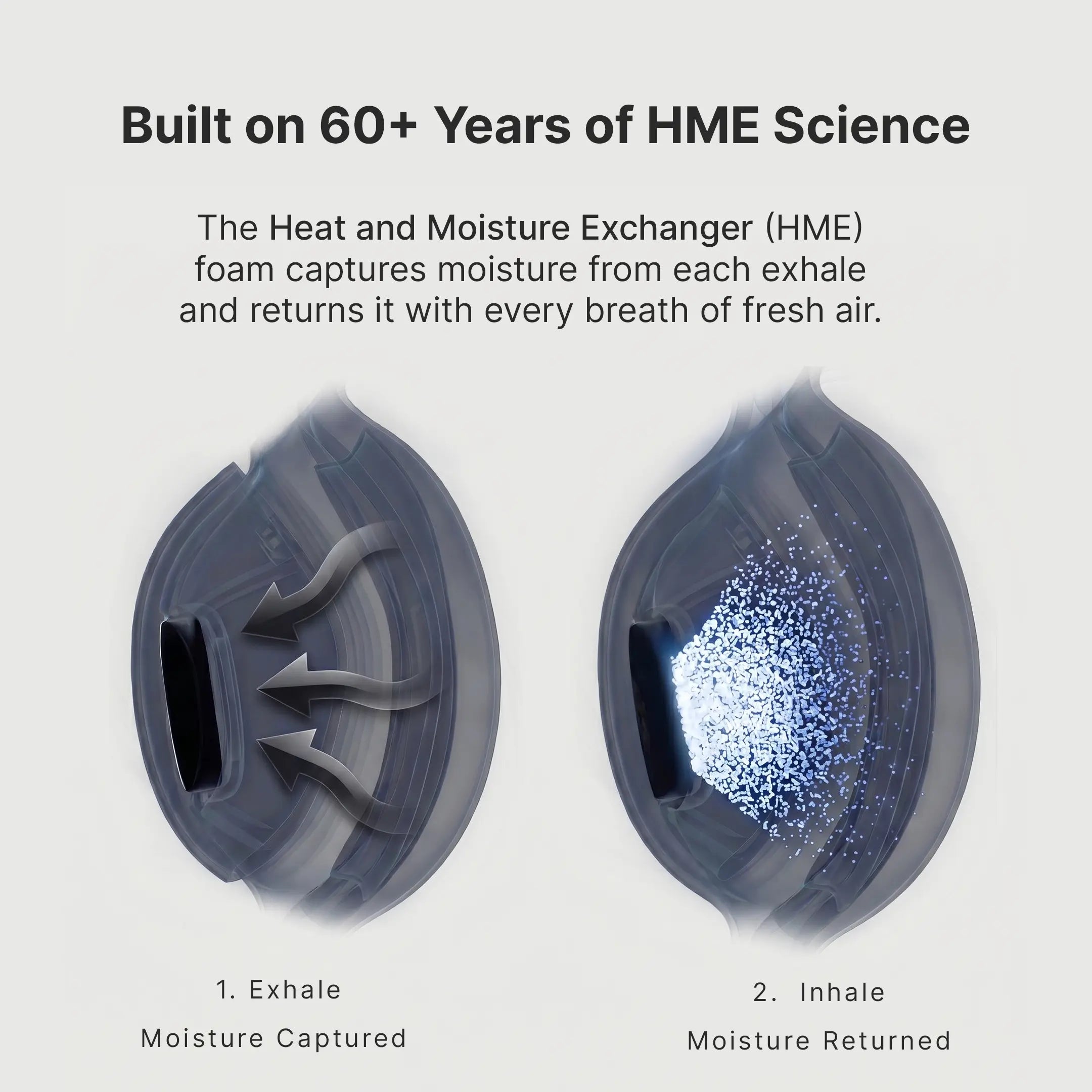
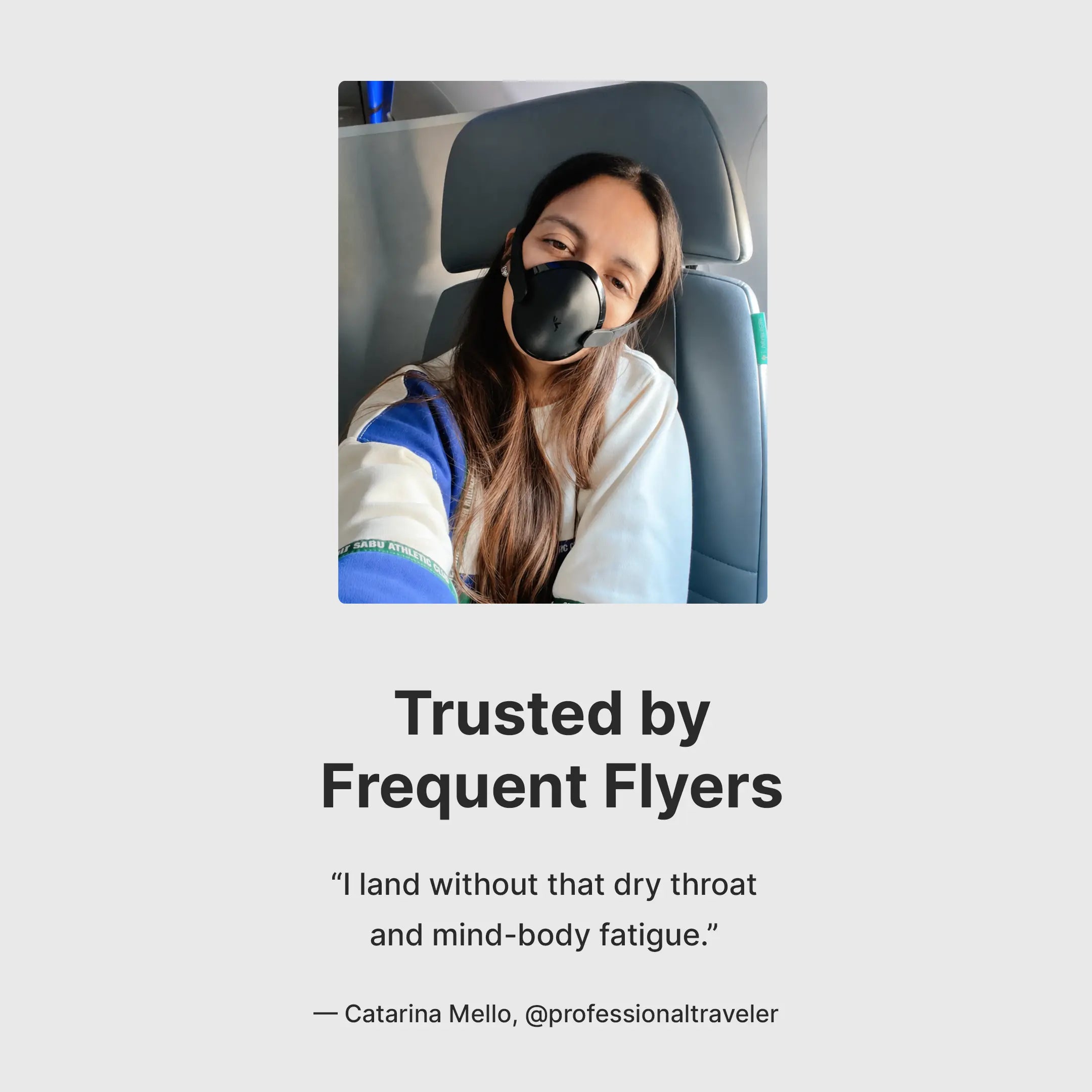
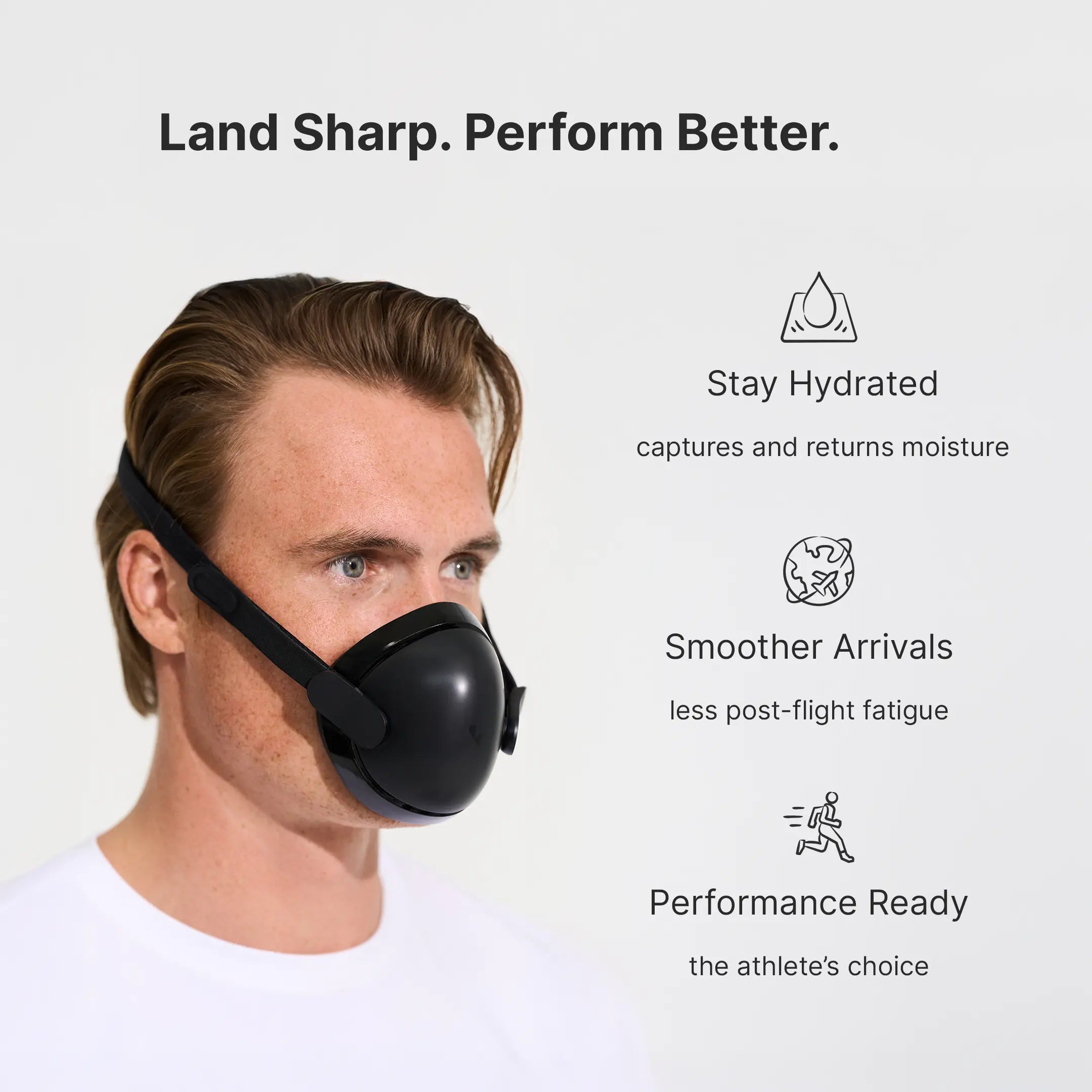
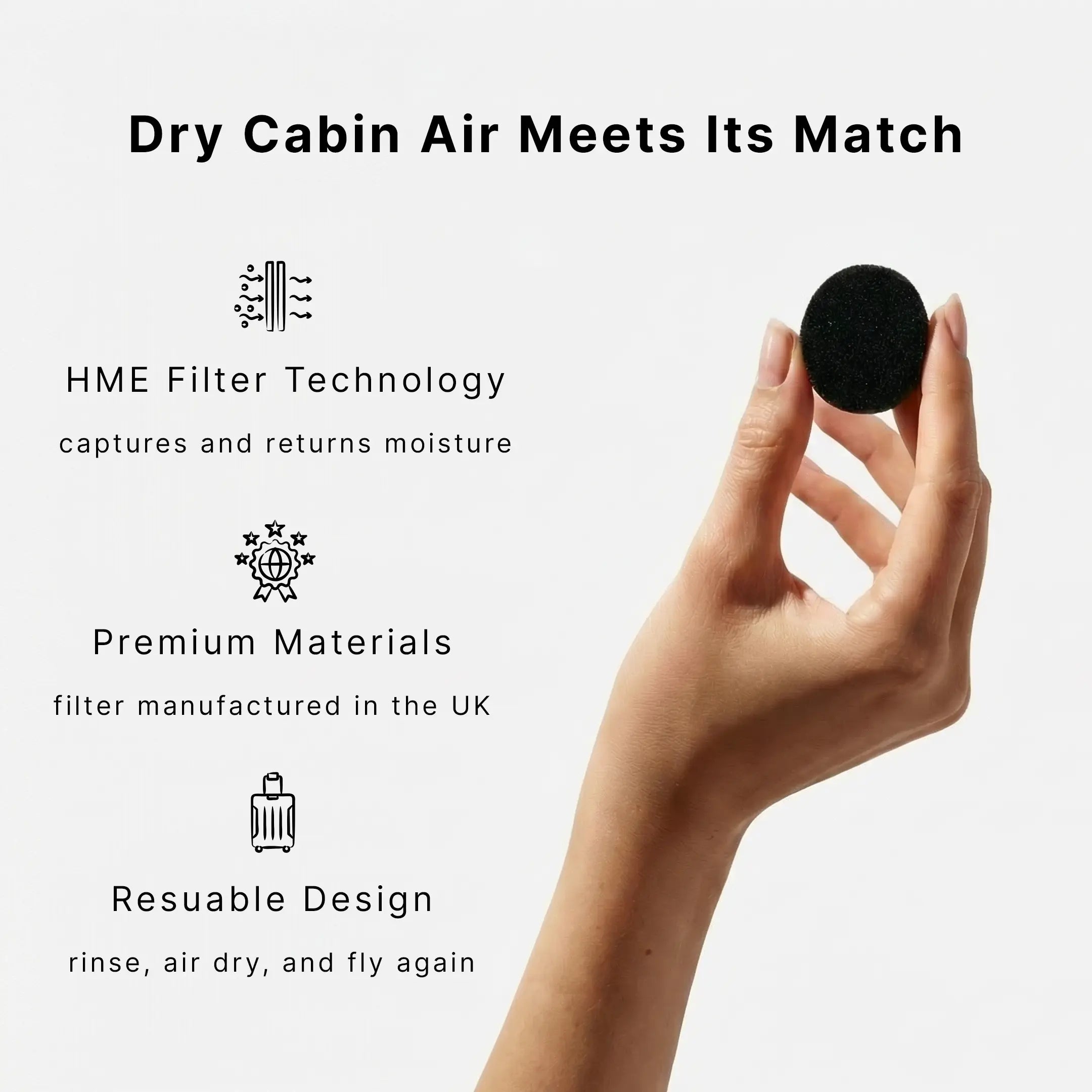
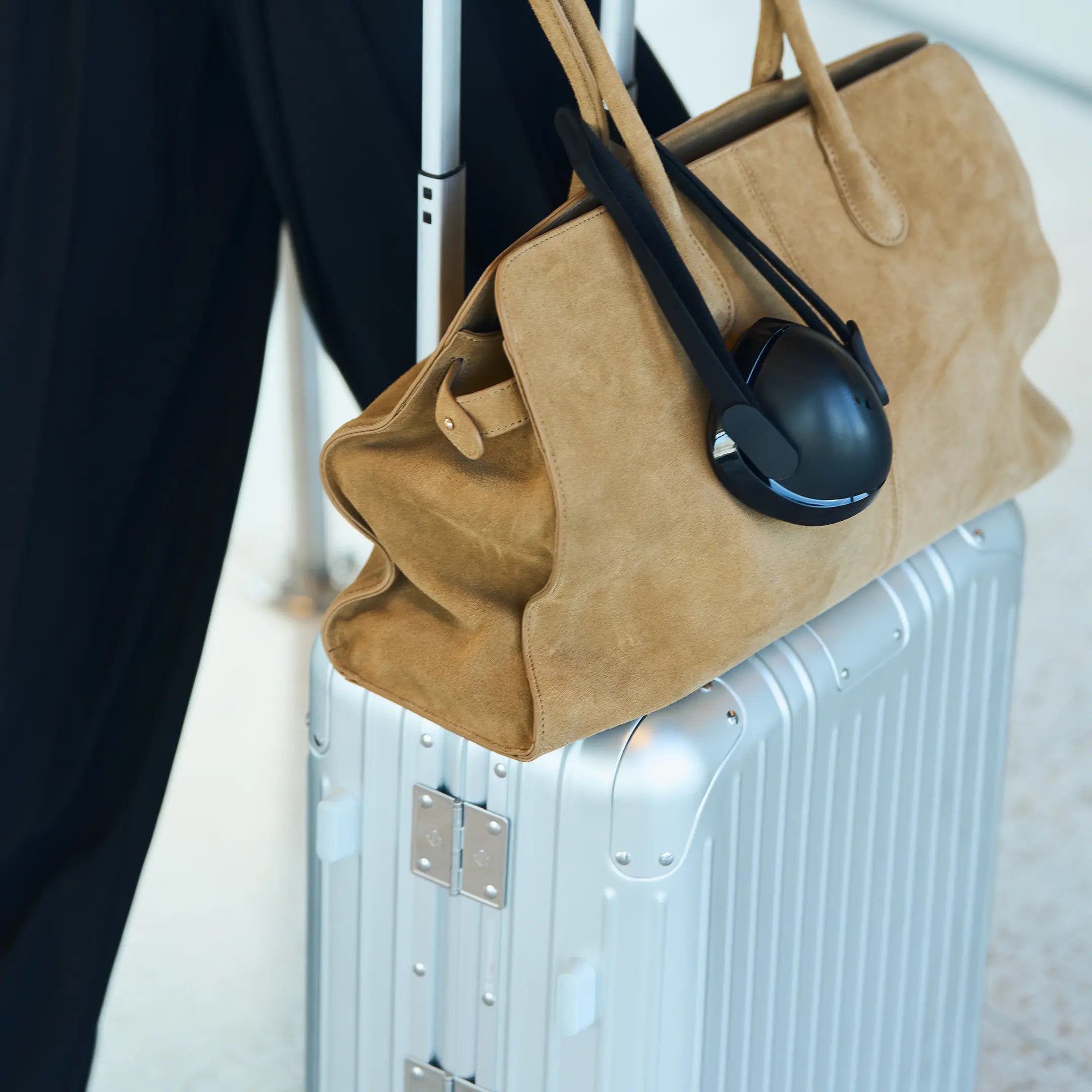
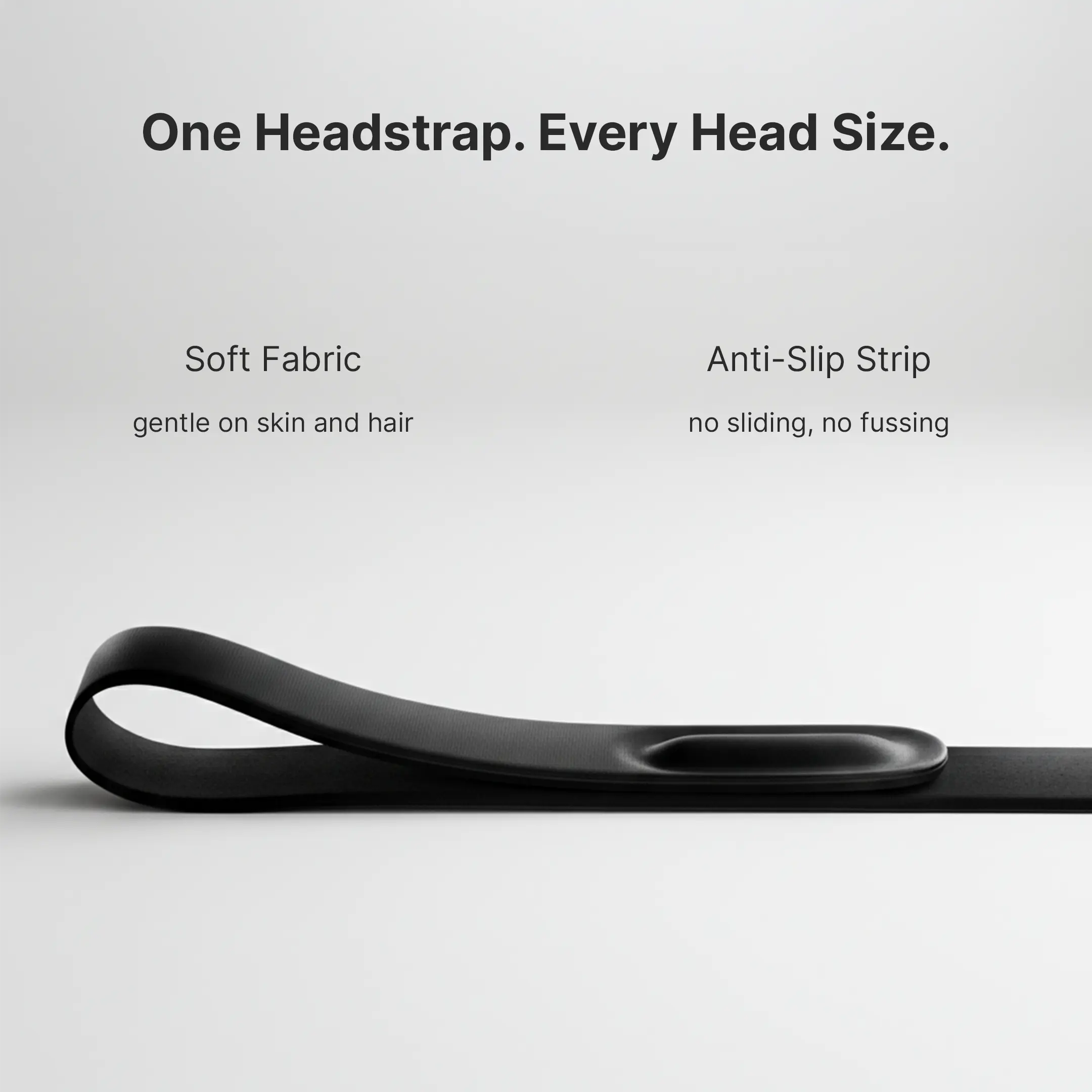
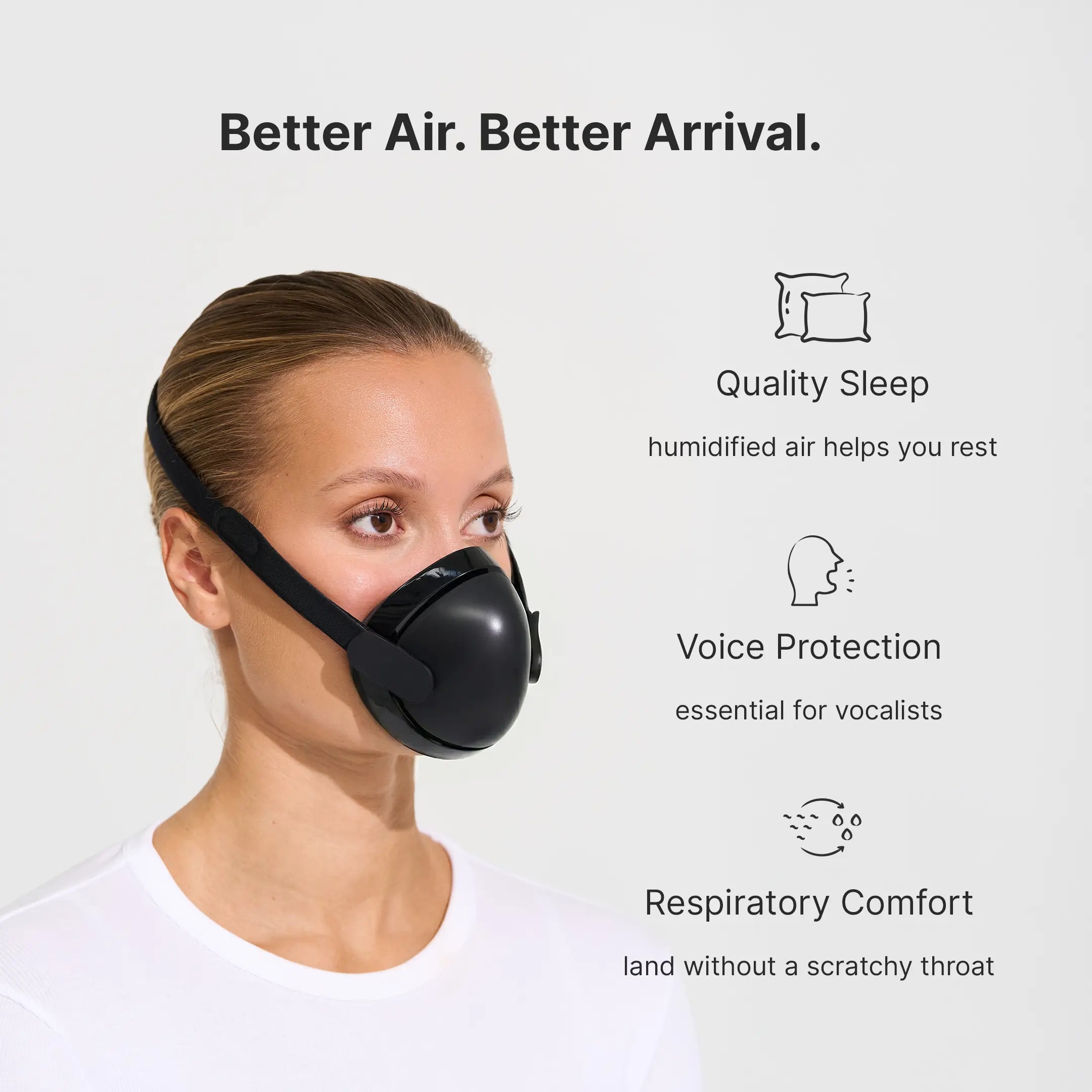
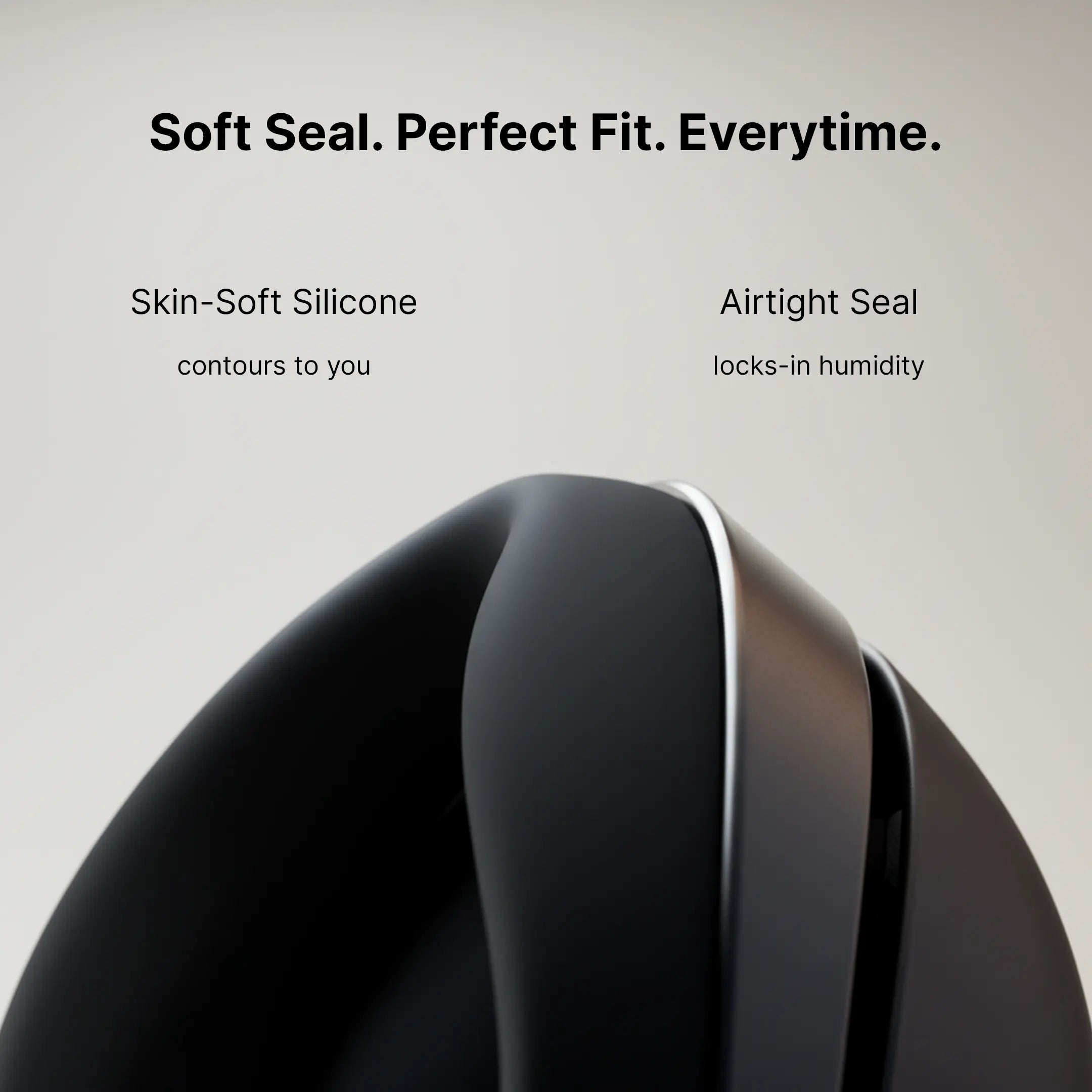
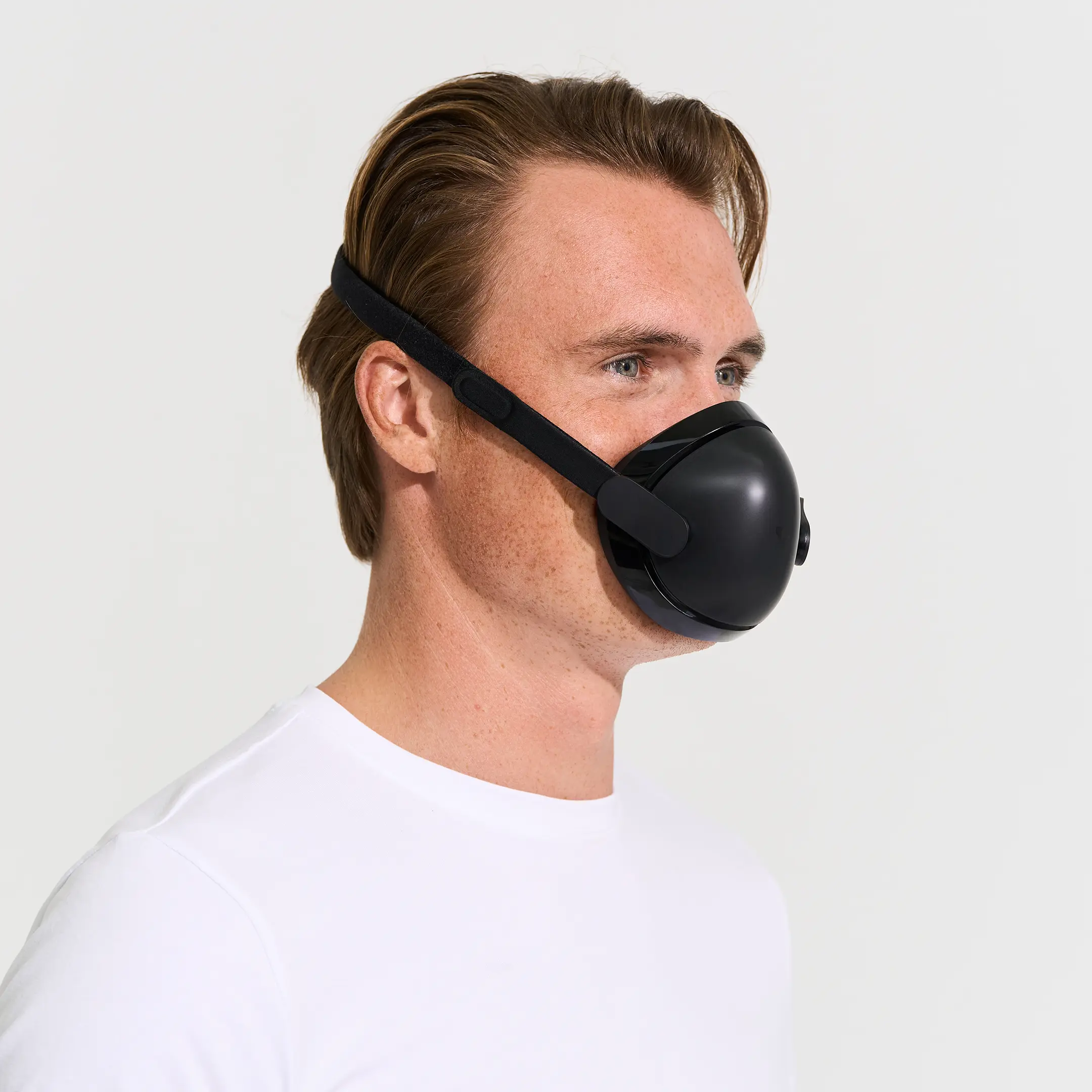
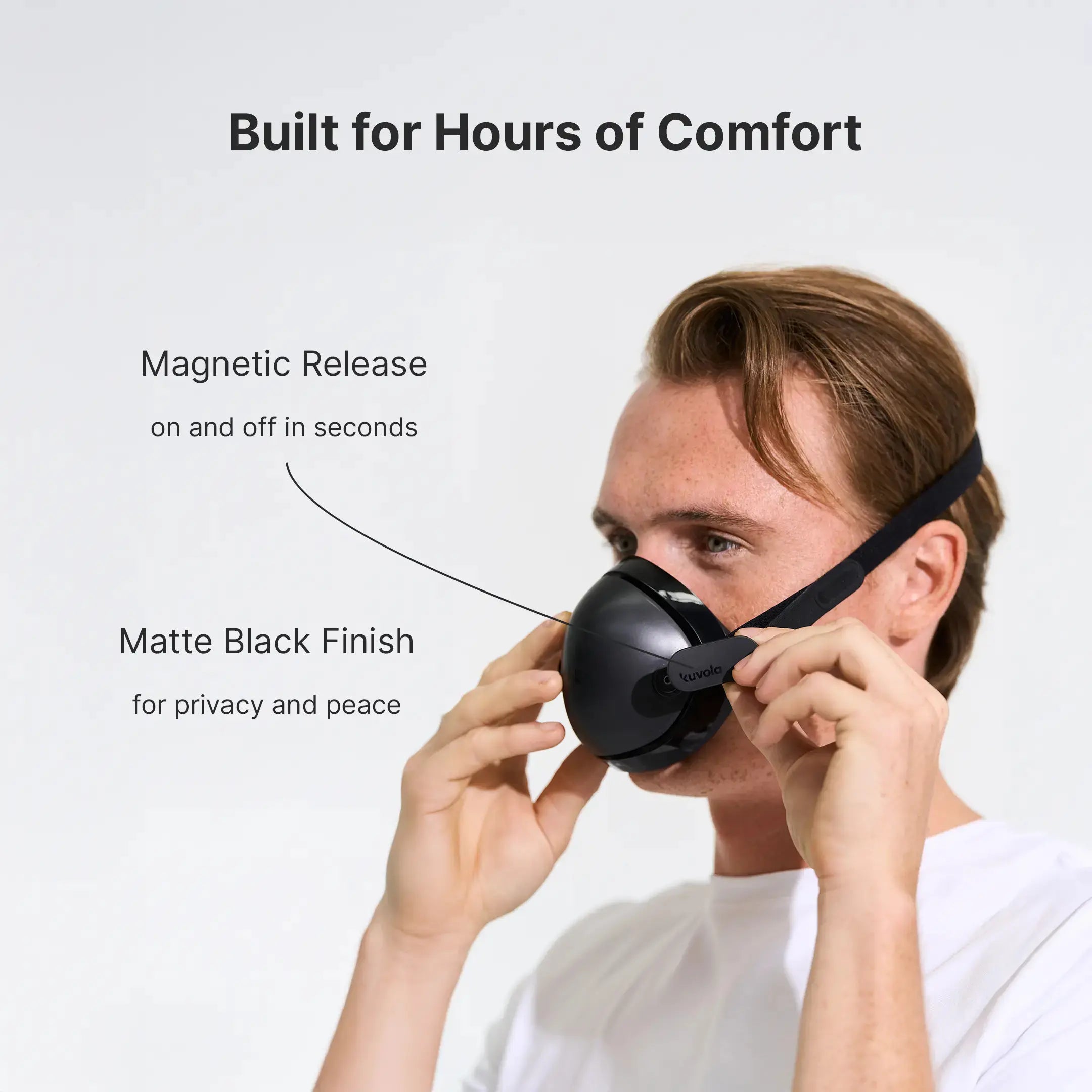
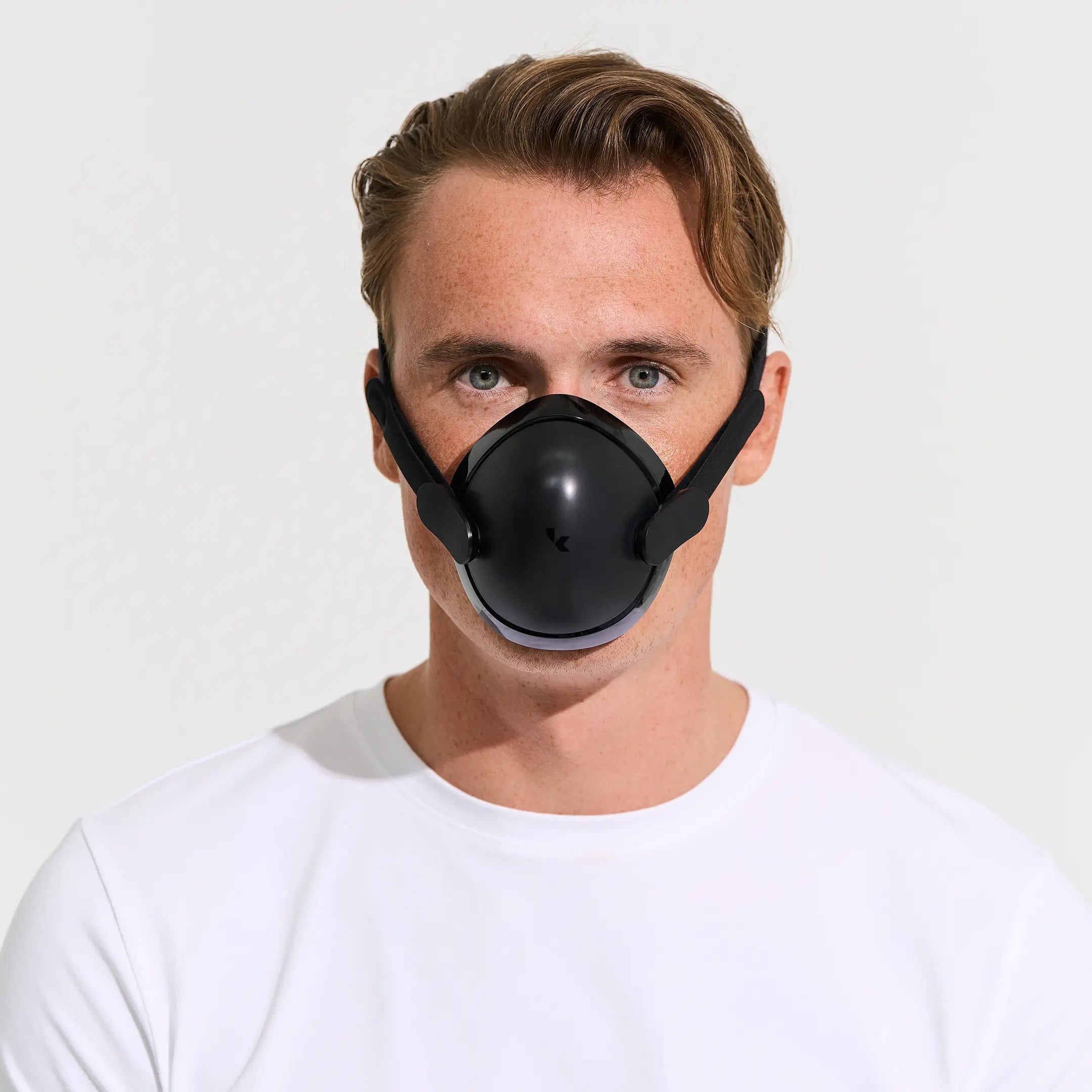
That's what Kuvola does. Using heat and moisture exchange technology, the same class used in hospital respiratory care, Kuvola captures the humidity in your exhaled breath and returns it to the air you breathe in. No water tanks, no batteries. Your own hydration, kept where it belongs.
The best way to deal with respiratory water loss at altitude isn't to drink more. It's to lose less.