7 Mythen über die Stimmgesundheit, an die deine Kollegen immer noch glauben, wenn es um Wasser geht
Sie stehen in den Kulissen und bereiten sich auf Ihren Auftritt im zweiten Akt vor. Ihr Hals fühlt sich an wie Sandpapier. Sie greifen zu Ihrer Wasserflasche, nehmen einen langen Schluck und denken: Okay, jetzt bin ich wieder fit.
Das sind Sie nicht. Und hier ist der Teil, den Ihnen im Konservatorium niemand erzählt hat: Das Wasser, das Sie gerade geschluckt haben, ist durch Ihre Speiseröhre (Ihre Speisepipeline) gegangen. Ihre Stimmbänder befinden sich in Ihrem Kehlkopf, der oben auf Ihrer Luftröhre (Ihrer Windpfeife) sitzt. Dies sind zwei völlig getrennte Röhren. Wenn Wasser tatsächlich Ihre Stimmbänder berühren würde, würden Sie nicht besser singen. Sie würden ersticken. [1]
Das ist die Anatomielektion, die fast alles widerlegt, was Künstler über Wasser und ihre Stimme glauben. Hier sind sieben Mythen, die wahrscheinlich gerade in Ihrem Backstage-Bereich kursieren.

1. „Wasser befeuchtet trockene Stimmbänder sofort“
Der Mythos: Ein Schluck Wasser überzieht Ihre Stimmbänder und bringt sie wieder sanft in Bewegung, so wie Öl an einem Scharnier ein Quietschen behebt.
Die anatomische Realität: Wasser gelangt in die Speiseröhre. Ihre Stimmbänder befinden sich im Kehlkopf, hinter einer geschlossenen Epiglottis. Die beiden Wege kreuzen sich nicht. Die Feuchtigkeit auf Ihren Stimmfalten stammt von Schleim produzierenden Drüsen in Ihrem Kehlkopfgewebe, die von Ihrem Blutkreislauf versorgt werden – und nicht von etwas, das Sie schlucken und das über sie hinweggleitet. [1, 2]
Die wahre Lösung: Stetige Wasseraufnahme über den Tag verteilt, Stunden bevor Sie auftreten. Das ist die systemische Hydratation, die tatsächlich die Sekretion Ihrer Drüsen auf die Falten verändert. Für direkte Atemwegsfeuchtigkeit: Dampfinhalation oder ein persönlicher Vernebler mit Salzlösung – diese gelangen in die richtige Röhre.
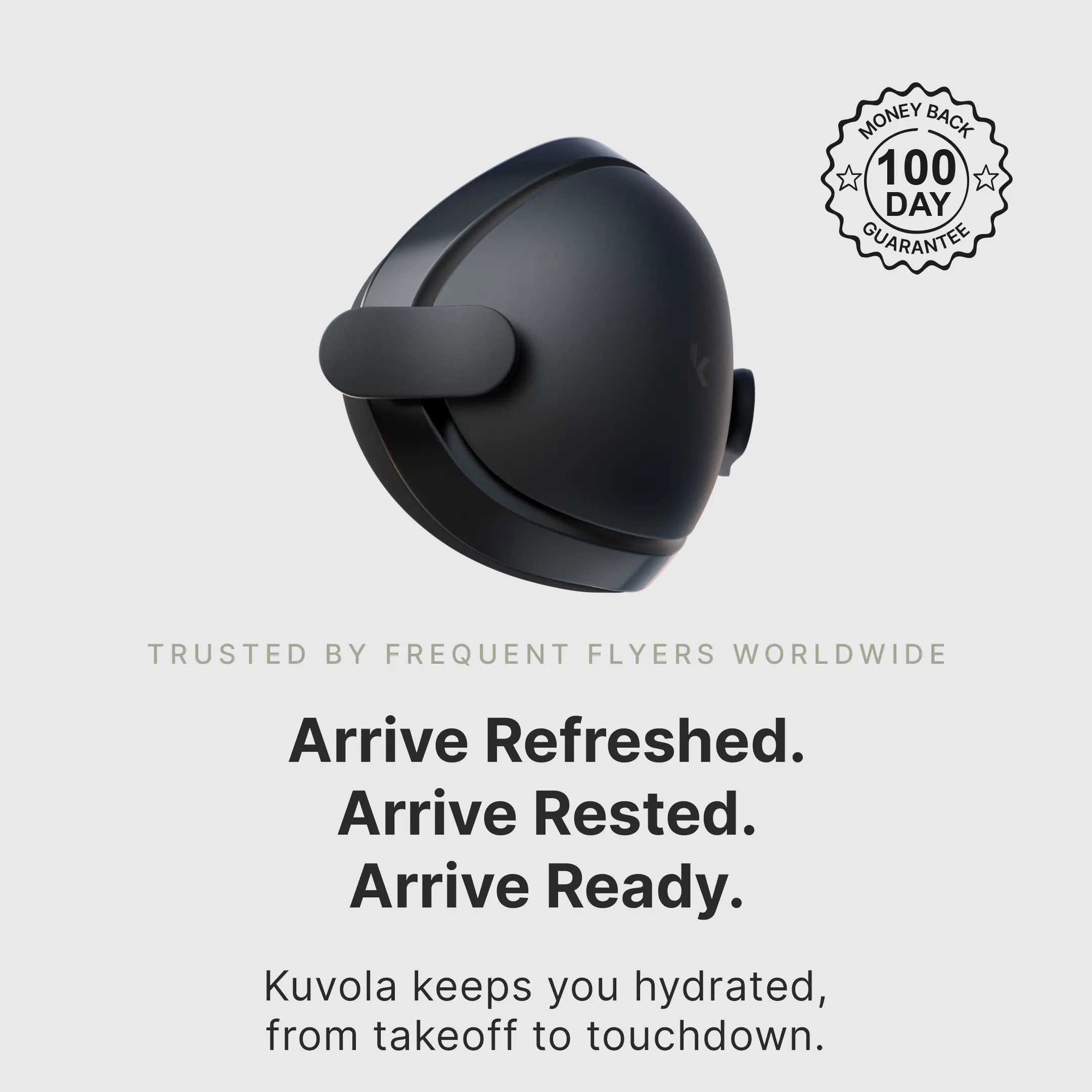
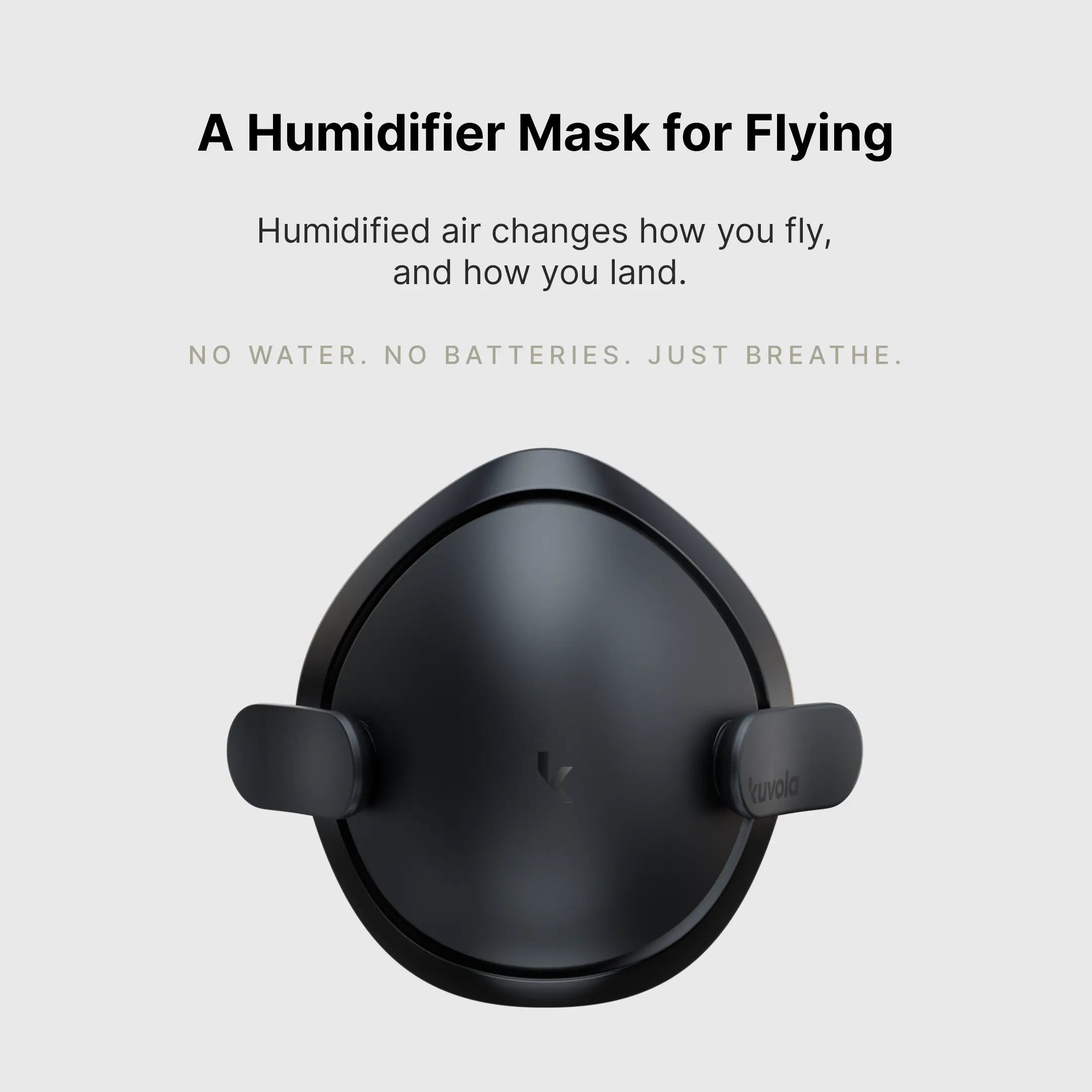
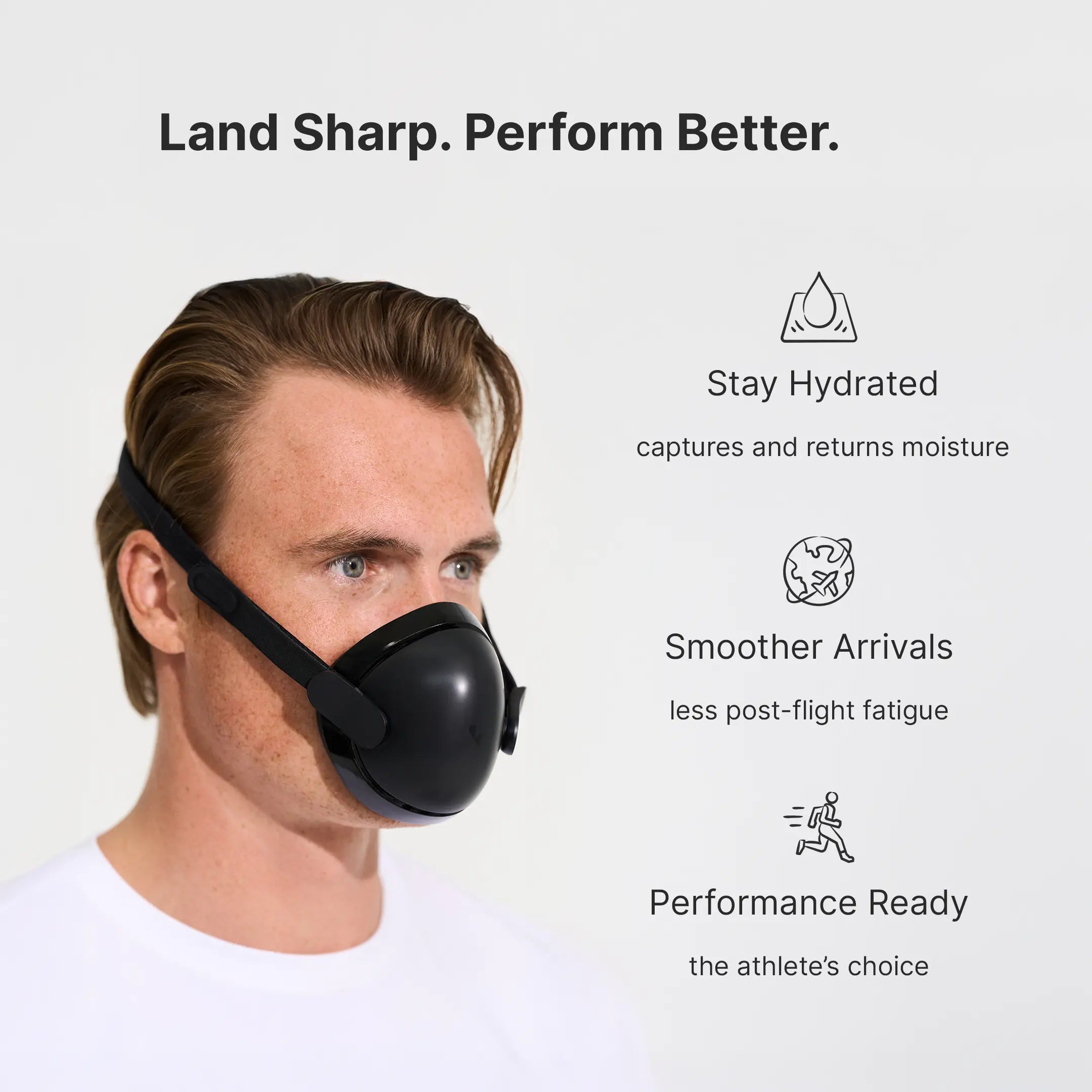
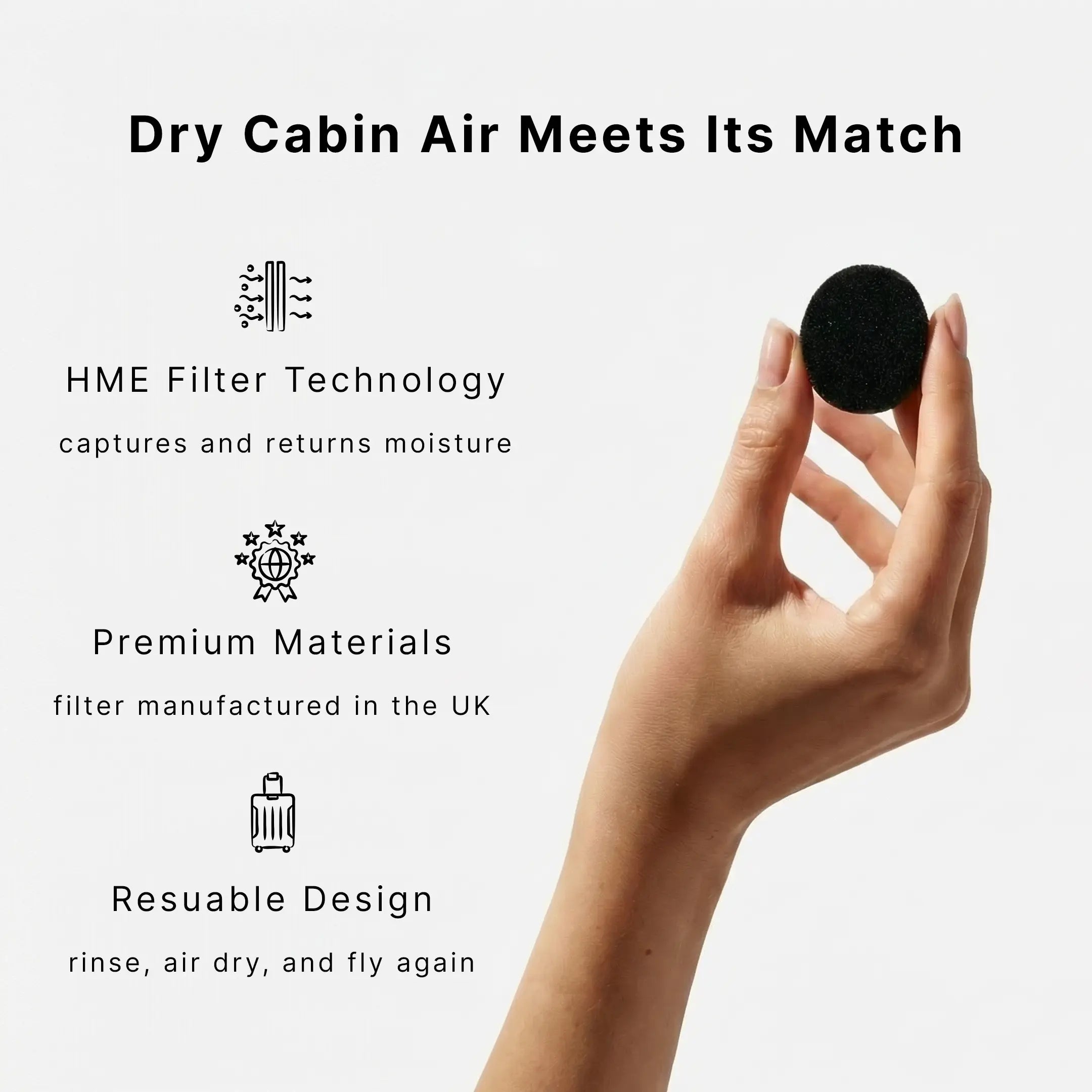
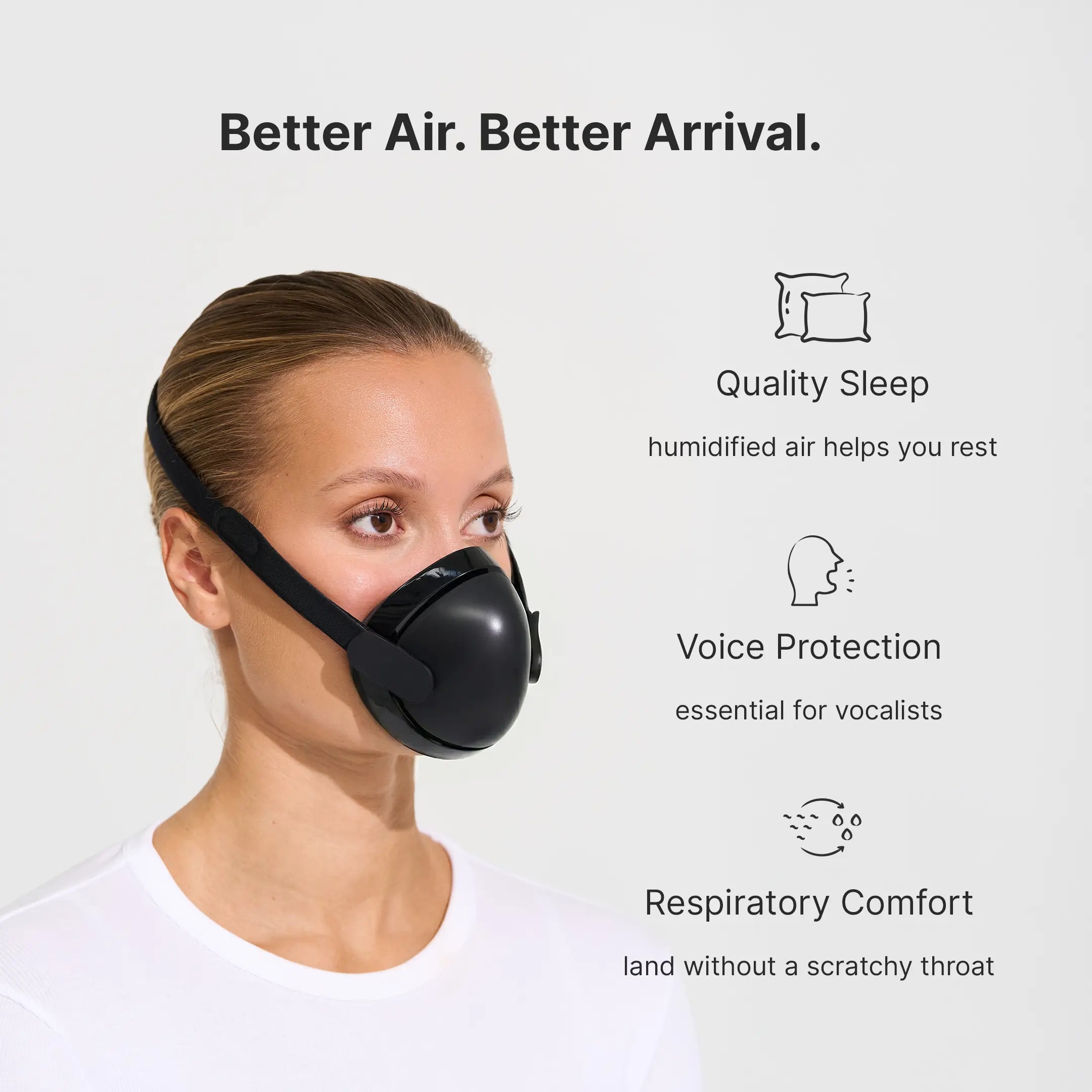
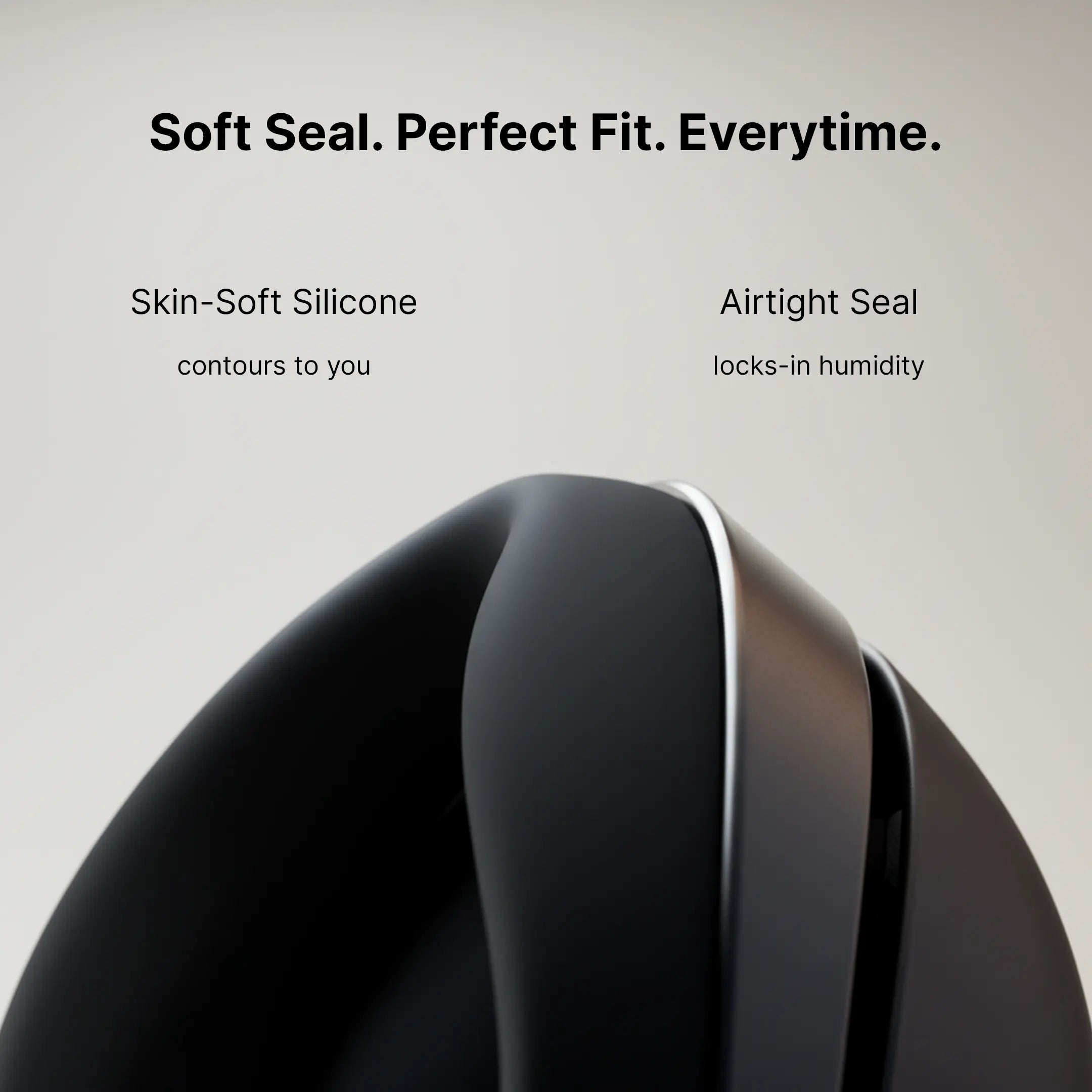
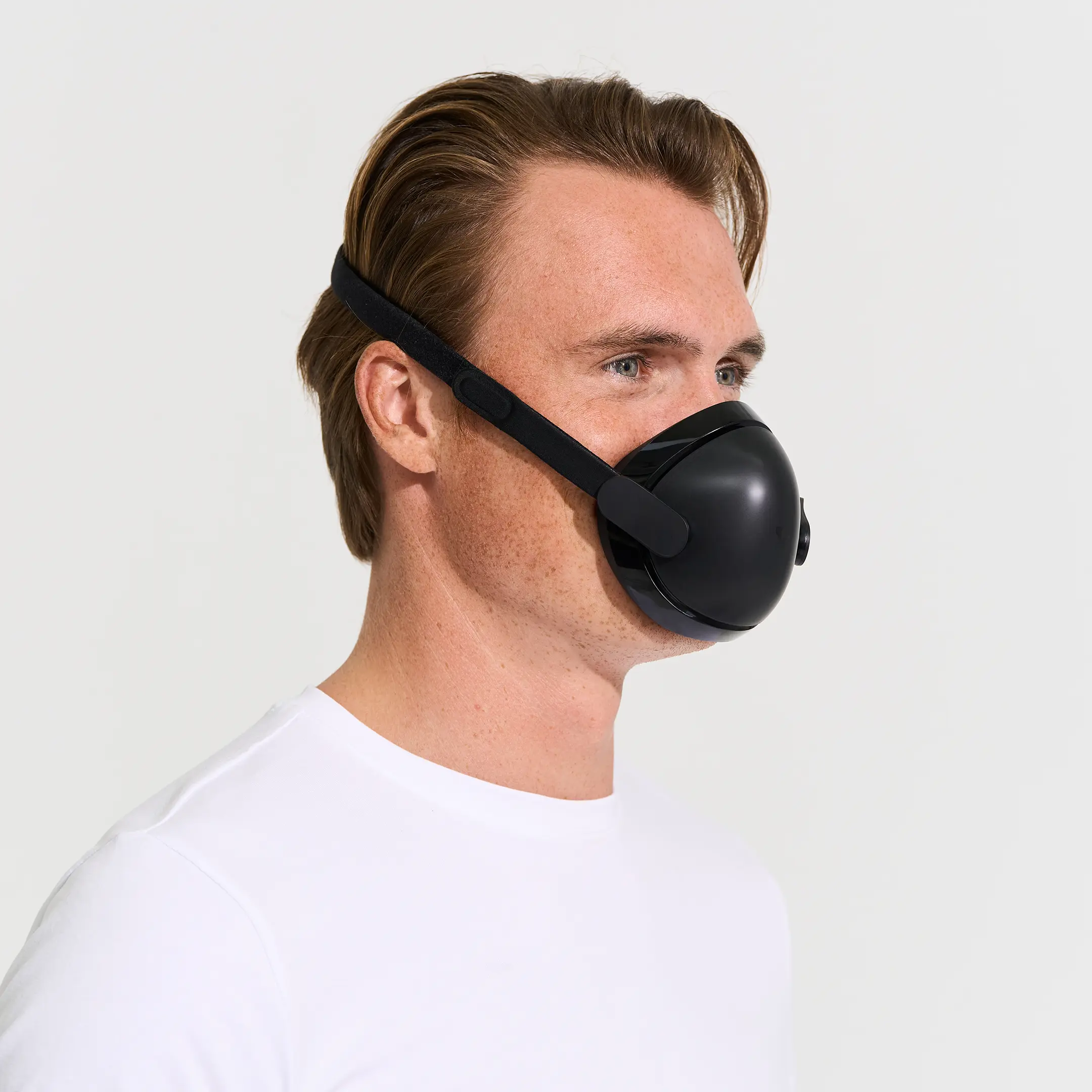
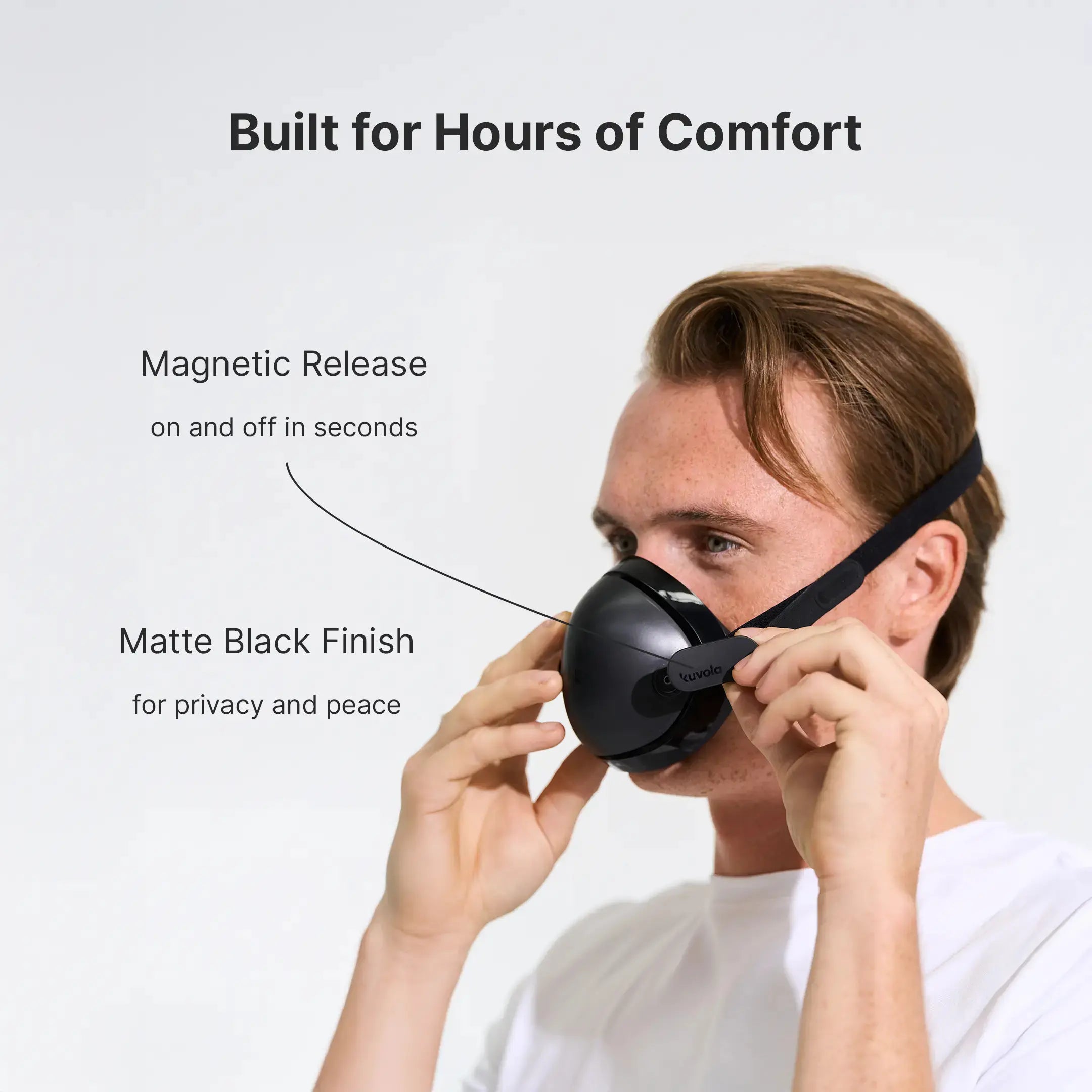
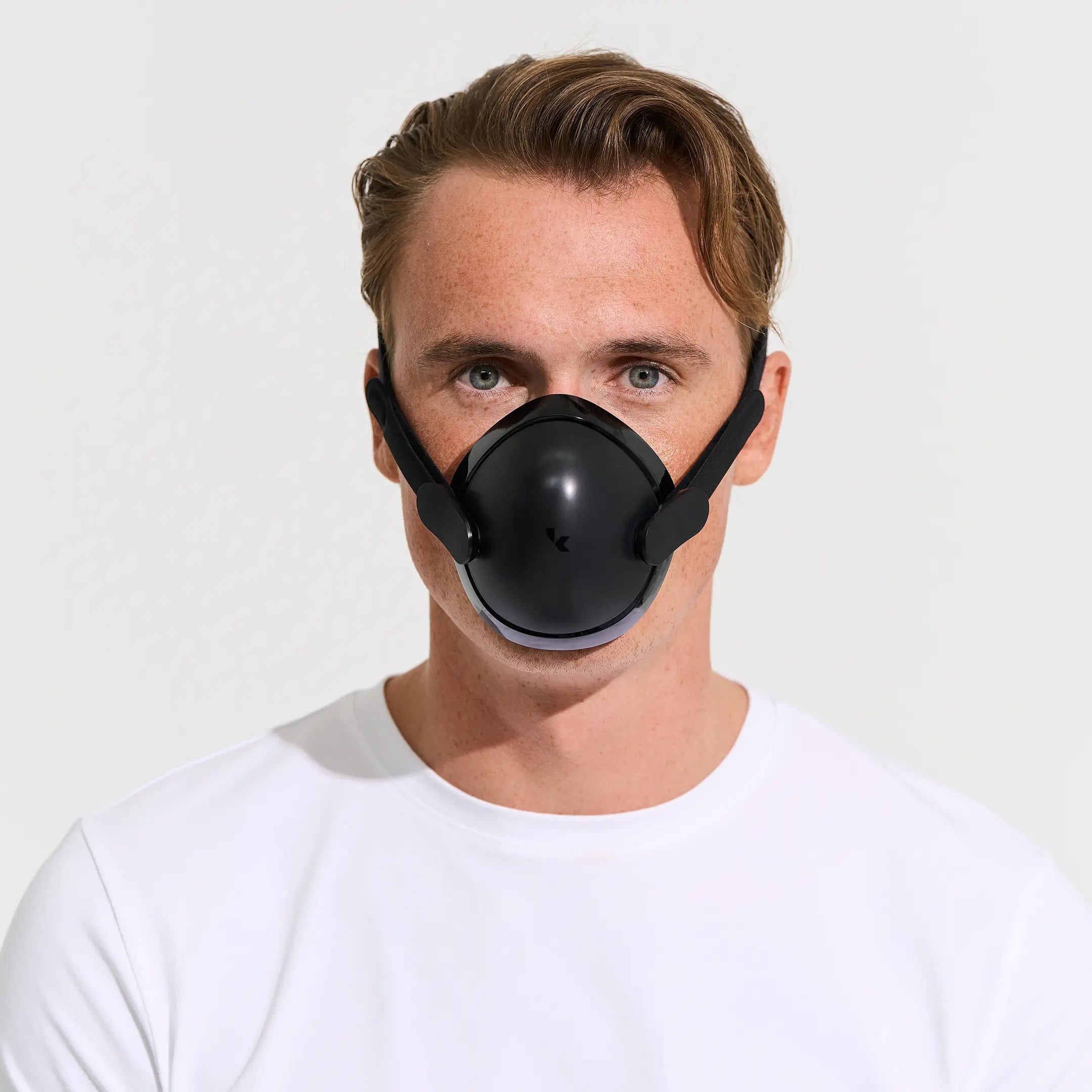
Verwandter Artikel: Wie die Kuvola Luftbefeuchtermaske funktioniert

2. „Wasser spült zähen Rachenschleim weg“
Der Mythos: Trinken Sie genug Wasser, und Sie spülen diesen hartnäckigen Schleim einfach aus Ihrem Hals.
Die anatomische Realität: Der Schleim, der auf oder in der Nähe Ihrer Stimmbänder sitzt, befindet sich auf der Atemwegsseite. Das Wasser gelangt dahinter, in die Speiseröhre. Man kann nichts abspülen, was sich in einem Rohr befindet, in das man kein Wasser gießt. Nur eine anhaltende Hydration über Stunden kann Schleim von innen heraus verdünnen, weil sie die Zusammensetzung dessen verändert, was Ihre Schleimdrüsen absondern. [1, 2]
Die wahre Lösung: Bleiben Sie den ganzen Tag über hydriert (nicht nur im Theater). Wenn Sie während einer Vorstellung mit zähem Schleim zu kämpfen haben, inhalieren Sie 10–15 Minuten vor der Show Dampf. Ein Salzvernebler wirkt noch besser. Vermeiden Sie Milchprodukte und Antihistaminika vor dem Auftritt, wenn Sie zu Verdickungen neigen – beides kann die Sekrete austrocknen oder verkleben.

3. „Hinter der Bühne schnell Wasser zu trinken, behebt einen Stimmbruch“
Der Mythos: Irgendetwas ist gerade auf der Bühne schiefgelaufen. Schnell – trinken Sie Wasser, bevor Sie das nächste Mal auftreten, und Ihre Stimme wird sich erholen.
Die anatomische Realität: Es dauert ungefähr 4 bis 24 Stunden, bis Wasser über den Verdauungstrakt aufgenommen, in den Blutkreislauf gelangt und das Gewebe auf zellulärer Ebene hydriert. Dieser hektische Schluck hinter der Bühne nützt dem Lied, das Sie gleich singen werden, absolut nichts. Ihre Zellen arbeiten nicht in einem Fünf-Minuten-Turnus. [1, 2, 3]
Die wahre Lösung: Der Stimmbruch ist bereits passiert. Für den nächsten Auftritt machen Sie ein paar sanfte Lippentriller und halb-okkludierte Stimmrohrübungen (Strohhalm-Phonation, Summen), um Ihre Luftströmung neu zu koordinieren. Langfristig ist die Lösung, gut hydriert zu sein, bevor Sie überhaupt am Veranstaltungsort ankommen. Betrachten Sie Hydration wie Sonnencreme – Sie tragen sie auf, bevor Sie nach draußen gehen, nicht nach dem Sonnenbrand.

4. „Eiswasser strafft oder festigt lockere Stimmbänder“
Der Mythos: Kaltes Wasser „festigt“ Ihren Stimmapparat, so wie ein Eisbad die Muskeln nach dem Training strafft.
Die anatomische Realität: Kaltes Wasser kühlt Ihre Speiseröhre ab. Es kommt nicht mit Ihrem Kehlkopf in Kontakt. Aber das, was diesen Mythos tatsächlich schädlich macht: Die extreme Kälte kann dazu führen, dass die umliegenden Halsmuskeln reflexartig verkrampfen und sich anspannen. Anspannung ist der Feind des guten Gesangs. Sie straffen nichts – Sie fügen Belastung hinzu. [1, 2, 3]
Die wahre Lösung: Immer Wasser mit Zimmertemperatur. Wenn sich Ihre Stimme „locker“ oder unfokussiert anfühlt, liegt das Problem meist an der Koordination, nicht am Muskeltonus. Machen Sie gezielte Aufwärmübungen – Skalen auf einem Strohhalm, Lippentriller in Ihrem Stimmumfang – um Ihre Stimmlippen sauber zu adduzieren.

5. „Wasser spült Stimmermüdung nach einer Belting-Session weg“
Der Mythos: Sie haben diese Woche acht Shows hinter sich gebracht. Wasser wird die Erschöpfung aus Ihrer Stimme spülen.
Die anatomische Realität: Stimmermüdung ist mechanischer Schaden – Muskelerschöpfung und mikroskopische Schwellungen durch wiederholte, starke Kollisionen Ihrer Stimmbänder. Wasser kann Schwellungen an Geweben, die es nie berührt, nicht reduzieren. Das ist, als würde man versuchen, das Knie mit Eis zu kühlen, indem man kaltes Wasser trinkt. Gleicher Körper, falsches Verabreichungssystem. [1, 2]
Die wahre Lösung: Stimmschohnung. Absolute Stille, kein „leises Reden“. Bei stärkeren Schwellungen kann Ihr HNO-Arzt oder Laryngologe entzündungshemmende Protokolle empfehlen. Dampf hilft, das Gewebe während der Erholung geschmeidig zu halten. Und die präventive Lösung: Aufbau von Ausdauer schrittweise, Anwendung der richtigen Technik, damit Sie Ihre Stimmbänder nicht härter als nötig zusammenschlagen, und Verhandlung Ihres Spielplans, wenn Acht-Show-Wochen Sie zerstören.

6. „Ein Schluck Wasser heilt das kratzende Gefühl einer Stimmüberlastung“
Der Mythos: Dieses raue, kratzende Gefühl bedeutet, dass Ihr Hals trocken ist. Wasser wird es lindern.
Die anatomische Realität: Das Kratzen ist eine lokalisierte Reizung oder Mikroschwellung an den Stimmbändern selbst. Geschlucktes Wasser gelangt in die Speiseröhre und lässt das gereizte Gewebe unberührt. Die Erleichterung, die Sie spüren? Meistens lenkt sich Ihr Gehirn durch den Schluckvorgang und das kühle Gefühl im Hals (Speiseröhre) ab. Fühlt sich gut an. Die Stimmbänder sind immer noch gereizt. [1]
Die wahre Lösung: Wenn Sie sich mitten in der Show überanstrengt fühlen, gehen Sie sanfter vor – weniger Druck, mehr Atemstütze, weniger Lautstärke, wo es die Partitur erlaubt. Nach der Show: Stimmruhe, Dampf, und wenn es länger als ein paar Tage anhält, suchen Sie einen Laryngologen auf. Drücken Sie sich nicht wochenlang durch eine Überlastung und hoffen Sie, dass Wasser das Problem löst. So entstehen Knötchen.

7. „Trinkwasser schützt Ihre Stimme vor trockener Backstage-Luft“
Der Mythos: Die Luft backstage (oder im Tourbus, oder im Hotel) ist knochentrocken. Trinken Sie genug Wasser, und Sie werden es ausgleichen.
Die anatomische Realität: Trockene Umgebungsluft trifft direkt auf Ihre Atemwege – Sie atmen sie ein, sie trocknet Ihre Stimmbänder bei Kontakt aus. Geschlucktes Wasser bildet keine schützende Barriere in Ihren Atemwegen. Zwei getrennte Röhren, das gleiche Problem wie bei jedem anderen Mythos auf dieser Liste. Trinkwasser hydriert Sie über Stunden systemisch, was hilft, aber es kann Ihre Stimmbänder nicht vor der trockenen Luft schützen, die Sie gerade einatmen. [1, 2, 3, 4]
Die wahre Lösung: Inhalieren Sie Dampf oder verwenden Sie eine persönliche Luftbefeuchtermaske mit isotonischer Kochsalzlösung vor und zwischen den Shows. Ein tragbarer Luftbefeuchter in Ihrer Garderobe tut mehr für Ihre Stimme als jede Wasserflasche. Und ja – trinken Sie trotzdem den ganzen Tag über Wasser. Systemische Hydration ist wichtig. Sie baut nur kein Kraftfeld um Ihre Luftröhre auf.
Fazit
Wasser ist gut für Ihre Stimme. Niemand sagt, Sie sollen aufhören, es zu trinken. Aber es wirkt über Ihren Blutkreislauf, über Stunden – nicht, indem es wie in einer Waschanlage auf Ihre Stimmbänder spritzt. Hydrieren Sie sich den ganzen Tag über, und verwenden Sie Dampf oder vernebelte Kochsalzlösung, wenn Sie Feuchtigkeit dort benötigen, wo sie tatsächlich zählt.
Ihre Kollegen werden Ihnen in der Pause immer noch widersprechen. Schicken Sie ihnen den Artikel.