Skip to content

Cart

Your cart is empty

The 5 Worst Things Dry Air Does to Your Voice

by Dr. Petra Illig, MD, AME

You don't notice it happening. You sit down, the cabin door closes, and somewhere over the Atlantic the air around you turns drier than the Sahara. Your voice is the first thing to feel it, even if you don't say a word for the next eight hours.

Here's what's actually going on in there.

01

It dries out your vocal folds

Dry air stripping moisture from the mucous membranes of the airway

Your vocal folds aren't ropes. They're thin strips of tissue that vibrate hundreds of times a second, gliding against each other on a slick film of mucus. Dry air pulls that film away. Without it, the folds collide harder, swell a little, and start to feel raw. The throat equivalent of running barefoot on a hot road.

02

It thickens the mucous that's left

Thick, sticky mucus that is harder to clear from the throat

Your body notices and overreacts. It produces more mucus, but stickier and harder to clear. You catch yourself coughing, swallowing, clearing your throat between sentences. The brightness in your voice goes flat. People start asking if you're getting sick.

03

It makes you work harder for every note

Straining to reach a note when the vocal folds are dry and tacky

When your folds are tacky, they resist vibrating. You push more air through them without realizing it, tense more muscles, work harder for the same sound. Half an hour into a conversation you're tired in a way you can't quite place. By the time you land, talking feels like lifting weights.

04

It shrinks your range

A narrowed vocal range, where the top notes scratch and crack

Vocal tissue needs water to stretch. Without it, your folds lose their give. The top of your range goes first. Notes you normally hit clean start to scratch or crack. Singers call this the "crunchy" feeling. For everyone else, it's the moment your voice breaks mid-sentence and you wonder when you turned sixteen again.

05

It leaves you hoarse the next morning

Waking up hoarse the morning after hours in dry air

Spend long enough in dry air and the damage settles in. A raspy edge when you wake up. Most people sleep with their mouth open at altitude, which makes all of it worse. You open your eyes with a voice that sounds borrowed from someone else, and sometimes it takes hours to come back.

Kuvola: the humidifier TOP artists use

A calm, restful moment in flight with comfortable air to breathe

Airplanes are drier than the Sahara Desert.

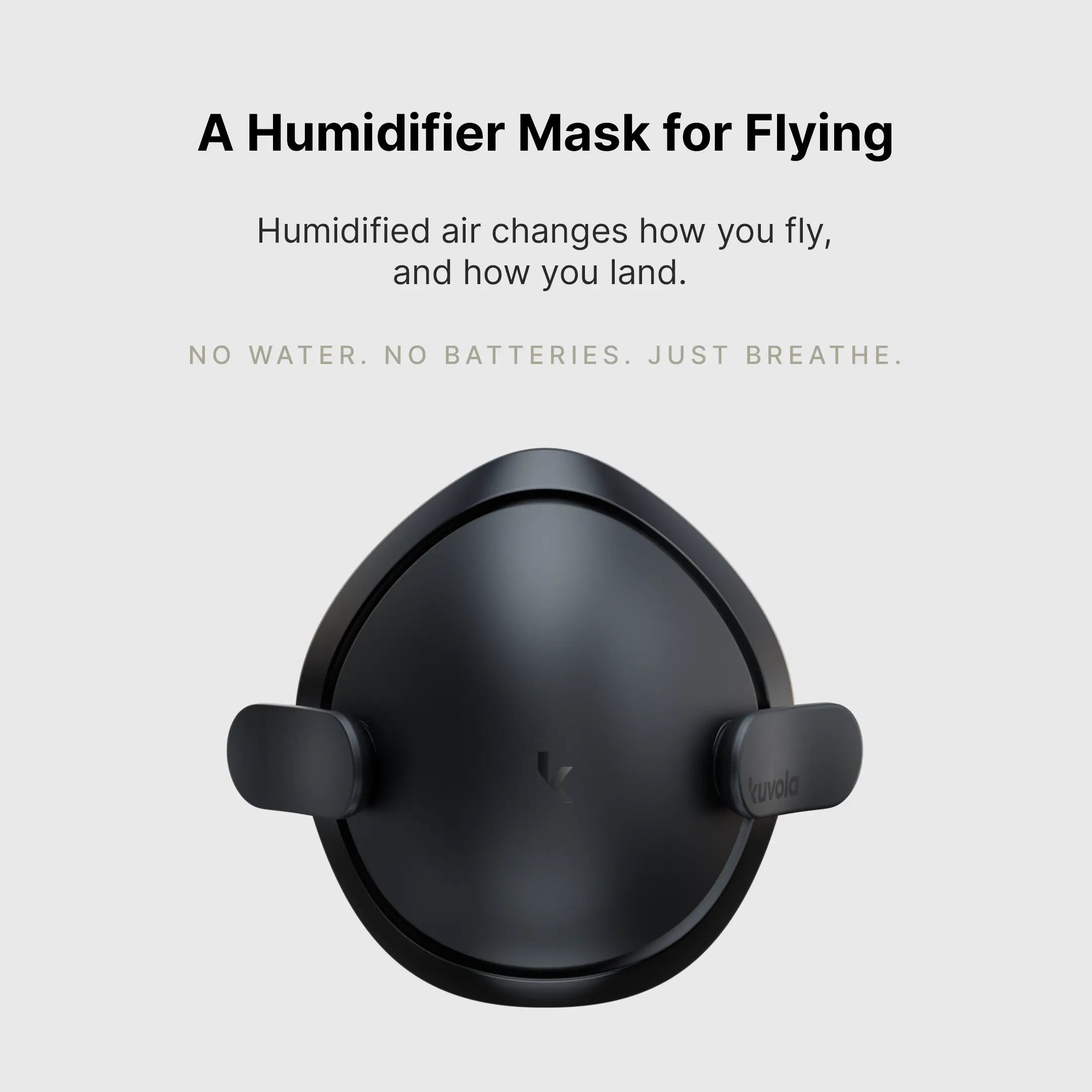
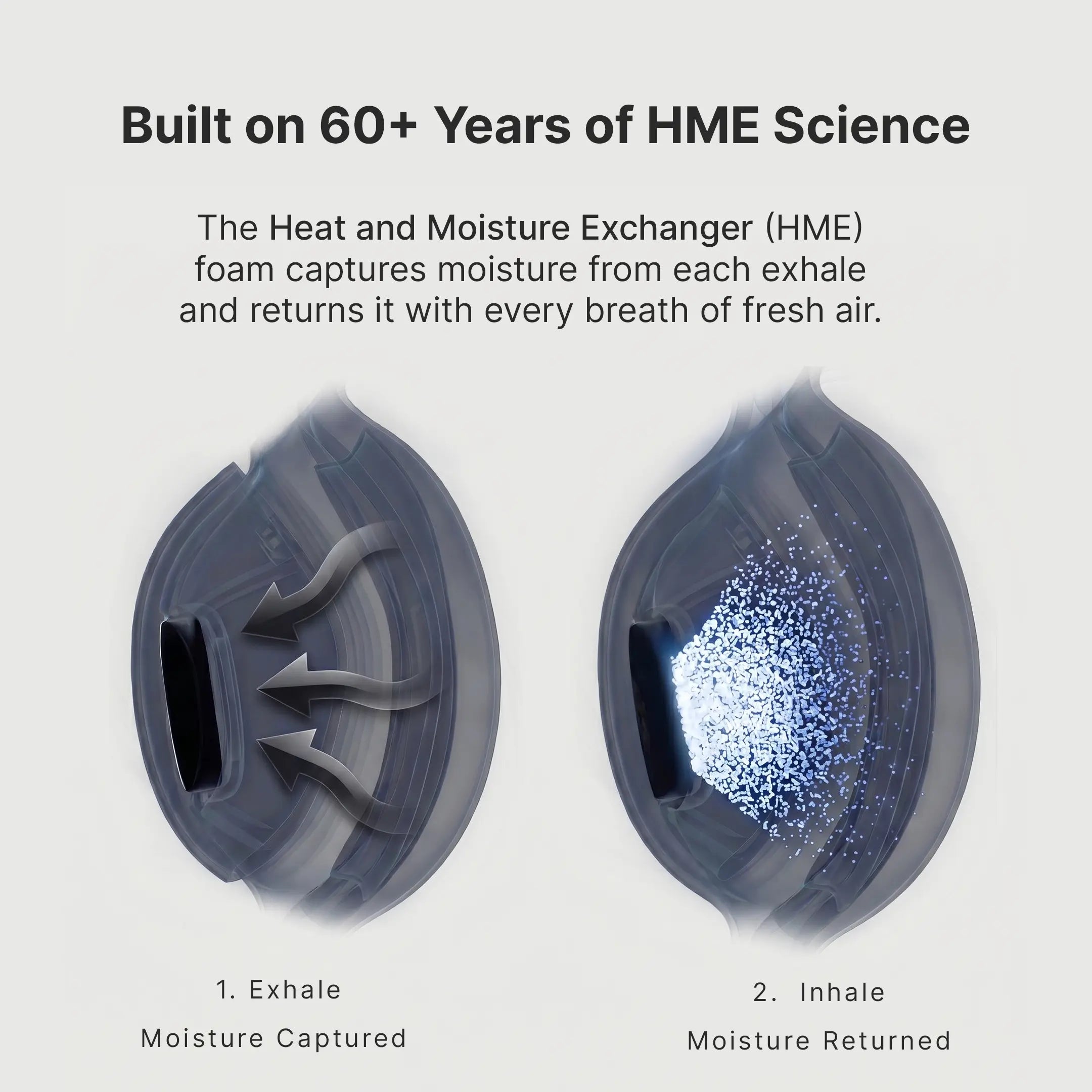
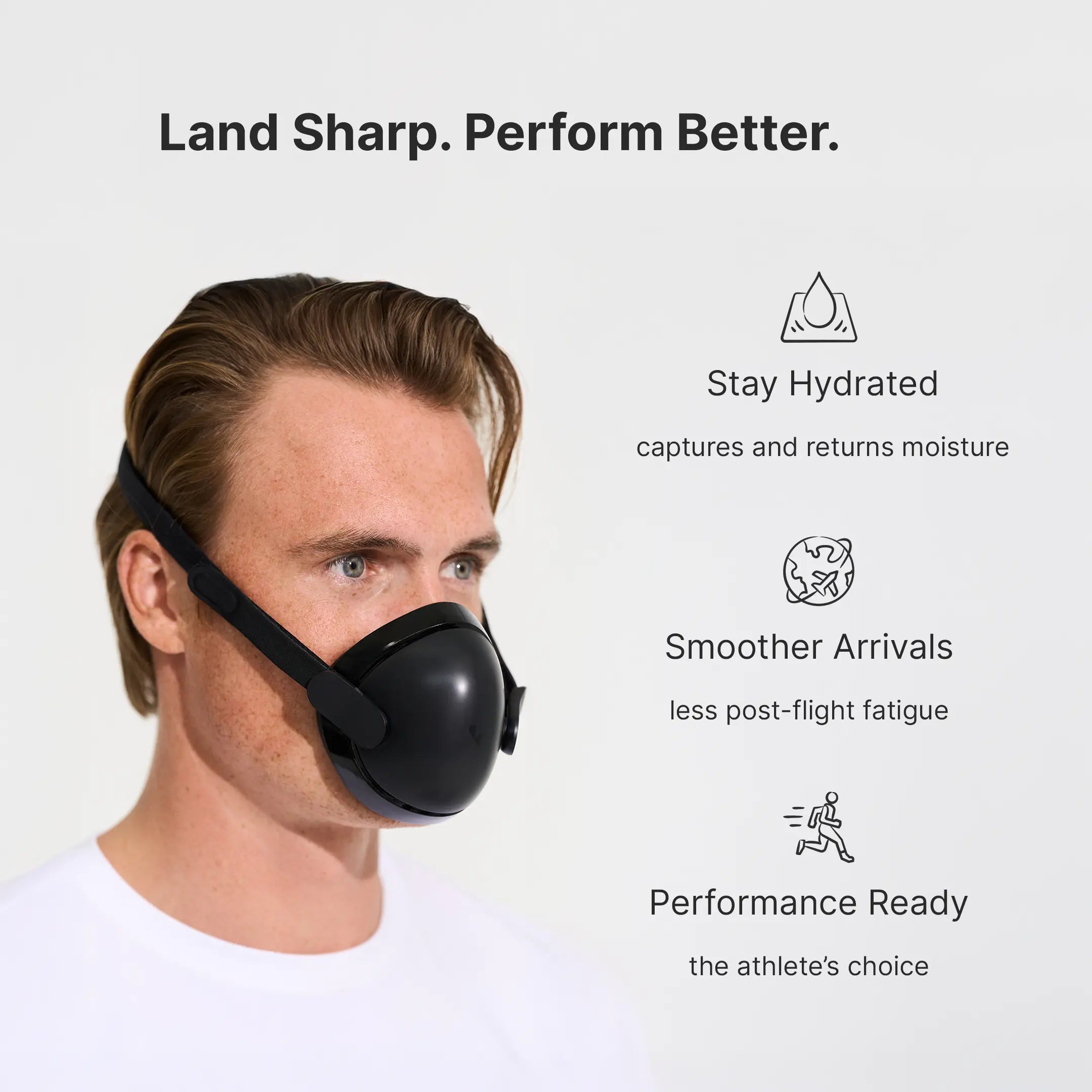
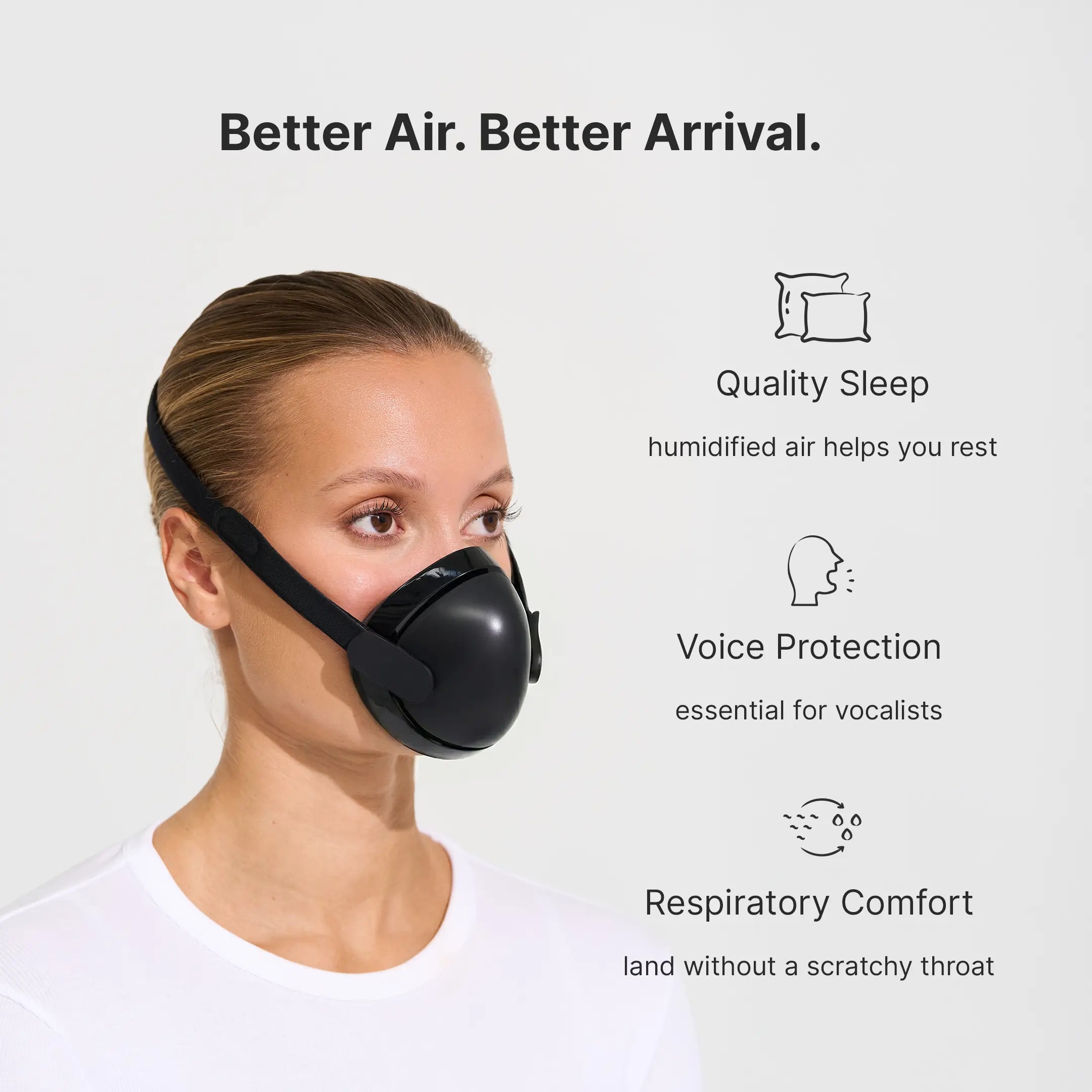
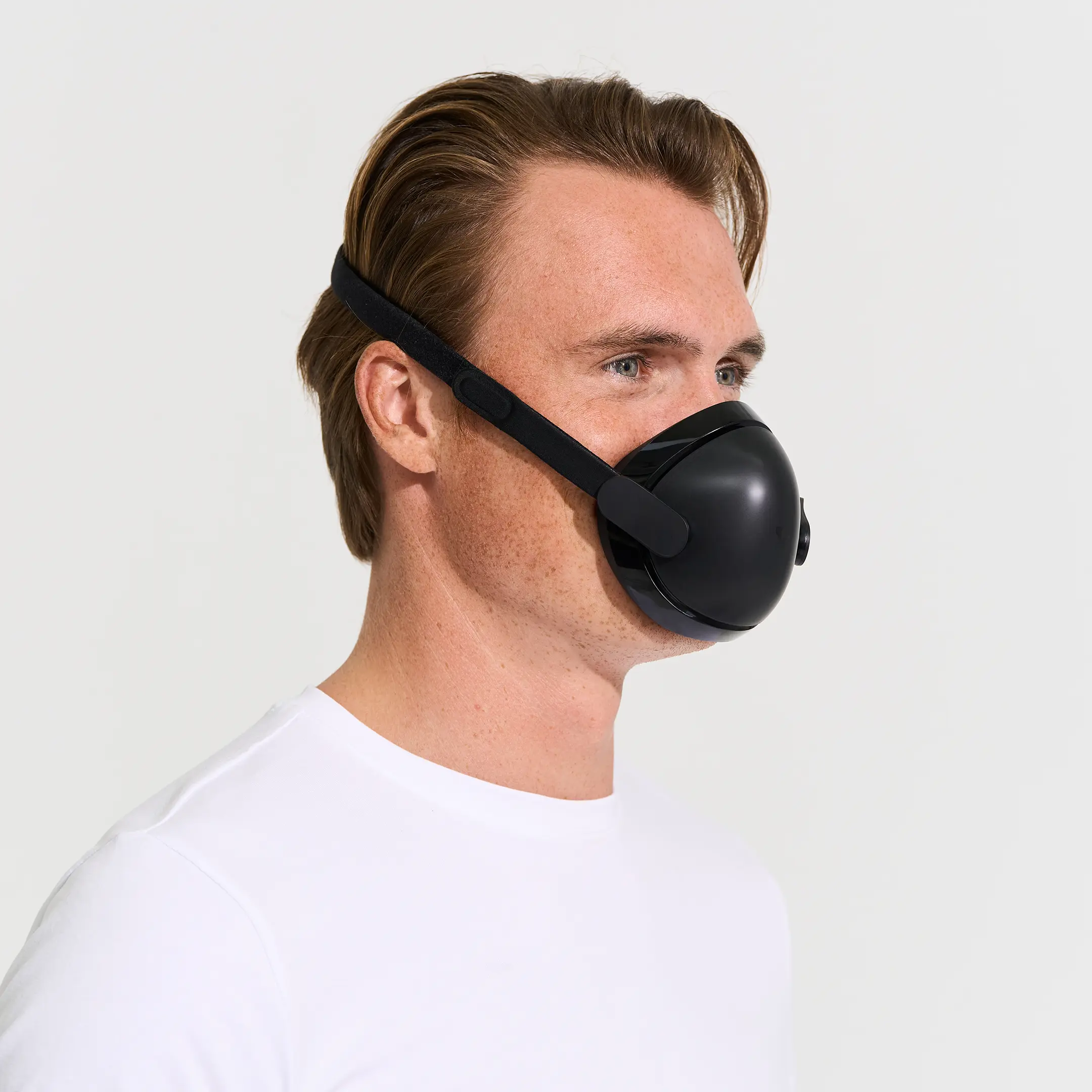
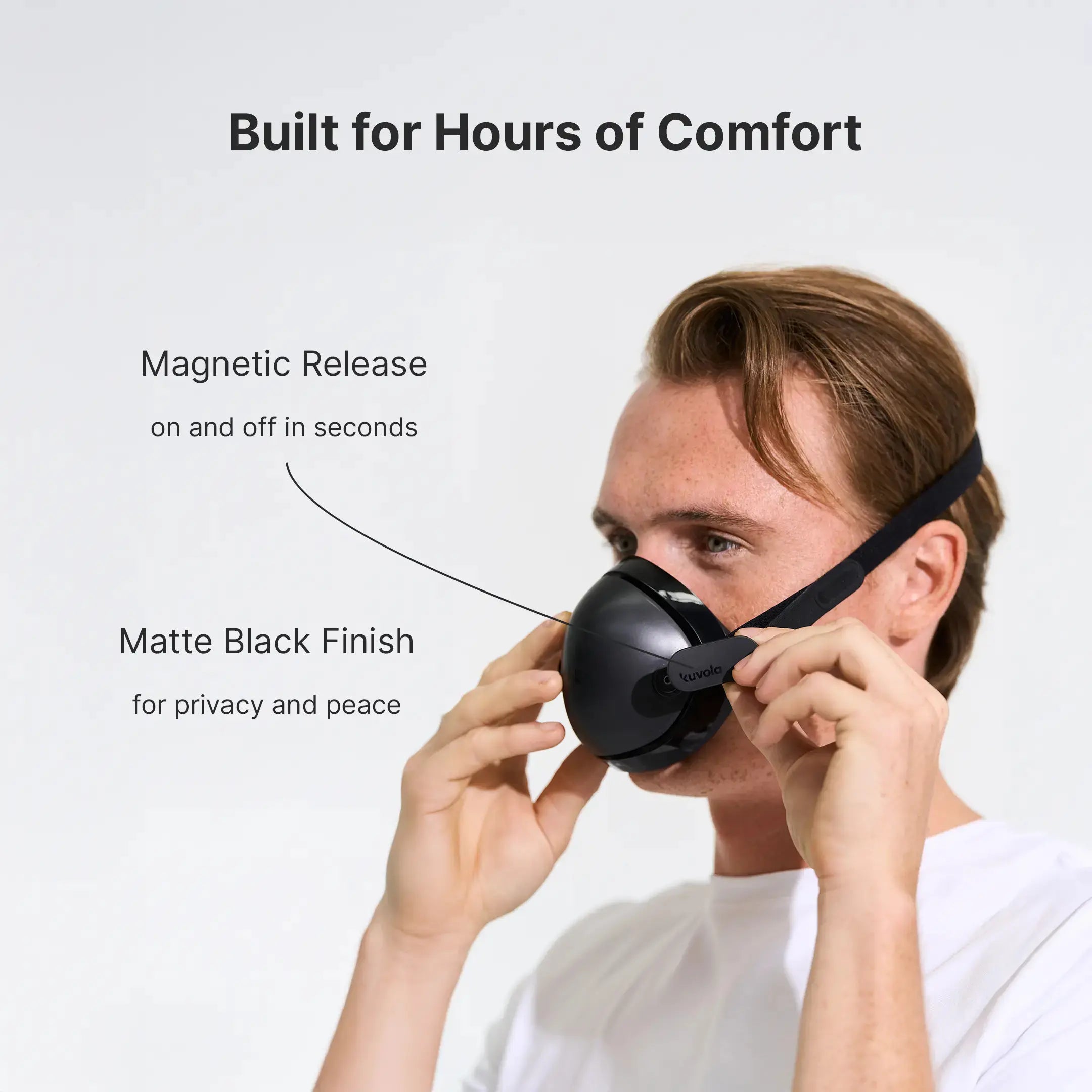
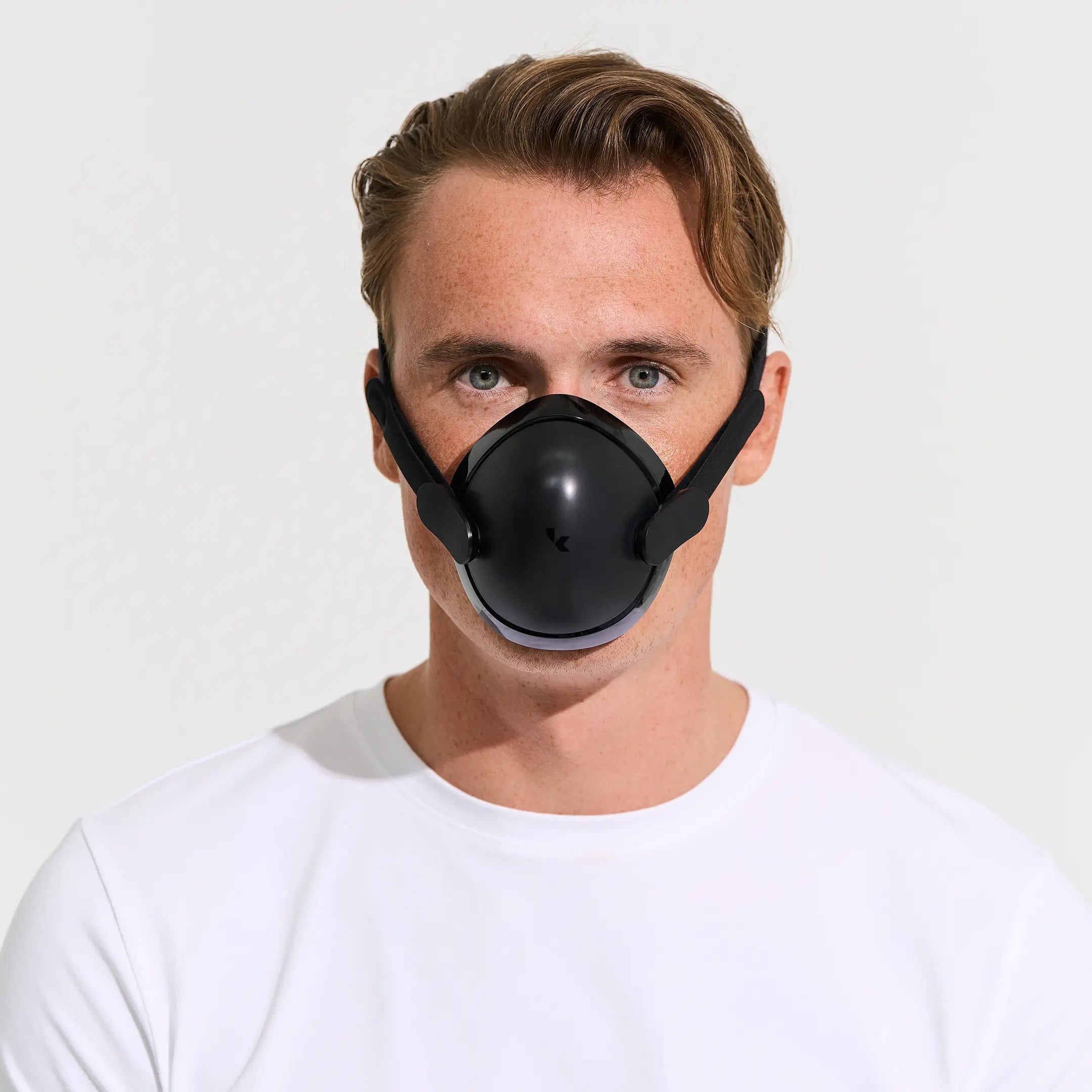
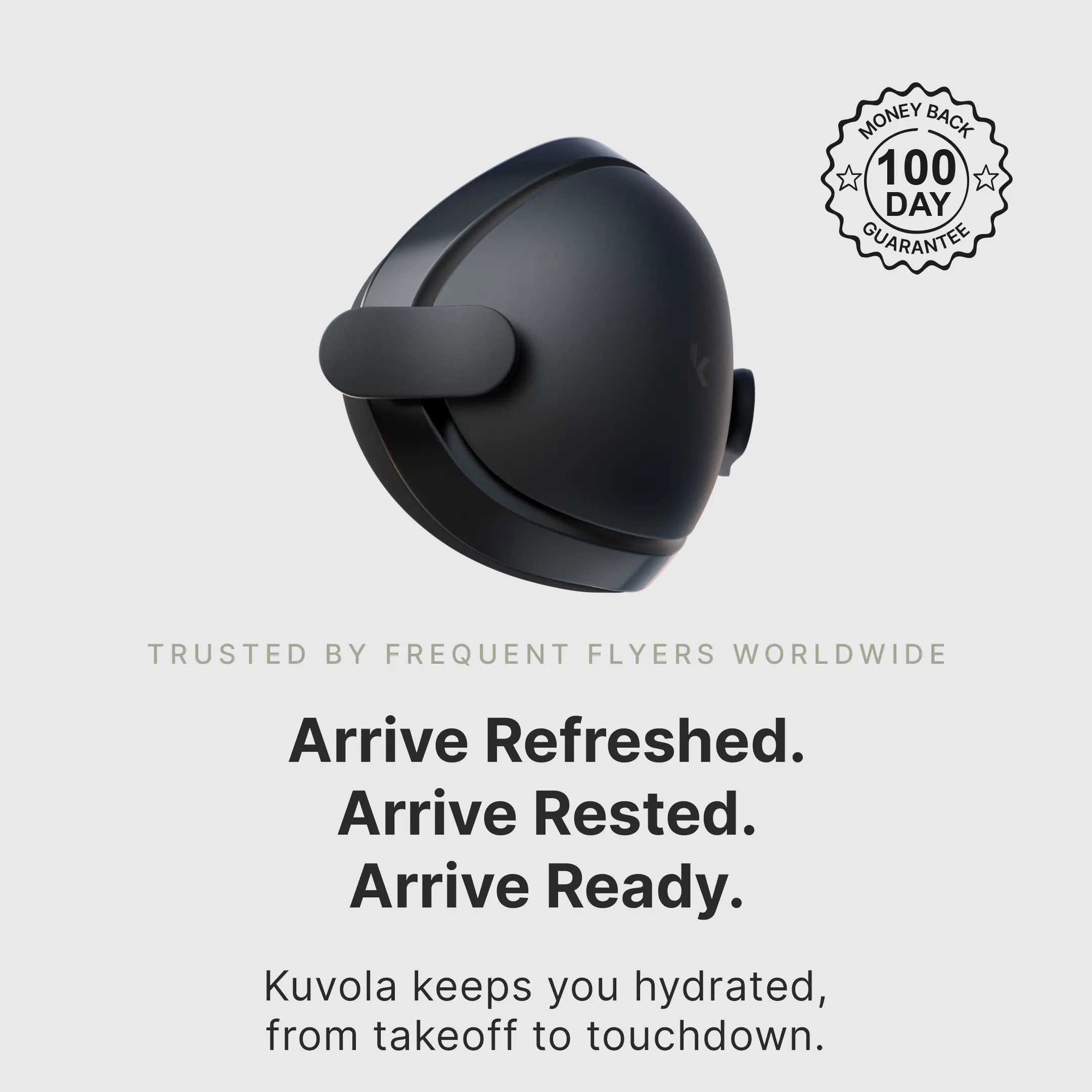
Kuvola is a humidifier mask built for flights, and trusted by the biggest names in music.

It provides you with air at the right humidity for the whole journey, so you step off the plane sounding like yourself.

Try one on your next flight. If you don't feel the difference, send it back within 30 days for a full refund.
"I pack it for every flight now."

Excellent 4.6/5

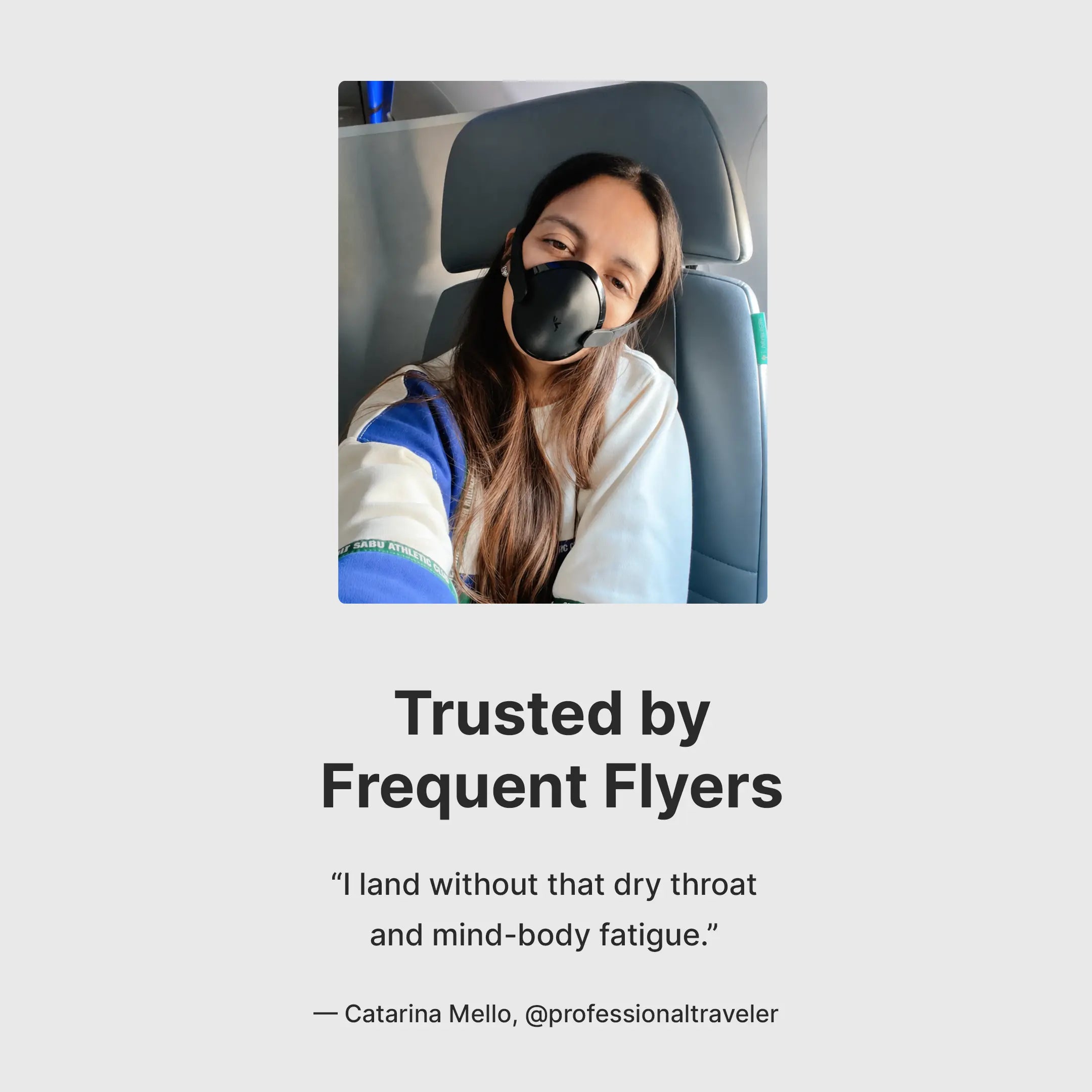
"I landed without that dry throat and mind-body fatigue."

Catarina 🇺🇸

"I slept like a baby wearing Kuvola."

Harry 🇺🇸

"Finally, something for the brutal dryness of flying! No more headaches and dry throat."

Kotryna 🇵🇹

"Dehydration used to lead to headaches and fatigue. But not with Kuvola. It's an in-flight essential."

Becca 🇺🇸

"No more dry throat and the feeling of being parched. I arrive feeling refreshed! "

Emma 🇸🇪

"Every first class flight involves a lounge, champagne and Kuvola."

Justin 🇺🇸

"Kuvola is for travelers that want to arrive at their destination rested and relaxed."

Evan 🇺🇸

"I sleep better when I use Kuvola for humidified air."

Teddi 🇸🇪

Questions?

See all FAQs

Learn About Travel Wellness

View of bright clouds through an aircraft cabin window in soft daylight
air travel comfort

Sinus Pressure When Flying: Why Descent Hurts Most

Sinus pressure when flying peaks on descent, not takeoff. Here is the mechanism behind it, why dry cabin air compounds the problem, and what to do in the last 45 minutes.

Read more
Layered clouds at sunset seen through an airplane window in soft, muted light
cabin humidity

Humidifier Mask vs Saline Nasal Spray for Flying

Saline spray and a humidifier mask both fight dry cabin air, but they work on different timescales. Here is an honest comparison, including where saline wins.

Read more
View of an aircraft wing and layered clouds through a cabin window in soft daylight
cabin humidity

Do Humidifier Masks for Flying Actually Work? An Honest Look

A humidifier mask raises the humidity of the air you breathe on a flight, easing dry nose and throat. Here is what the research shows, and what the technology cannot do.

Read more
View of pale clouds and open sky through an aircraft window in soft daylight
cabin humidity

Why Does My Throat Hurt on a Plane? What Happens Hour by Hour

Cabin humidity sits between 5% and 12%, and that dryness works on the surface of your throat. Here is how the soreness builds hour by hour, and what genuinely helps.

Read more
View through an airplane window showing clouds and sky at cruising altitude
cabin humidity

Dry Mouth on a Plane: Why It Happens and What Helps

Dry mouth on a plane is not random. It is a direct result of cabin air that holds less moisture than most deserts. Humidity at cruising altitude drops to between 5% and 12%, while the body works be...

Read more
Close-up of a dark circular ventilation grille with horizontal slats
air conditioning

Why Does Air Conditioning Dry Out Your Throat? The Science Behind It (And What Actually Helps)

Why does air conditioning cause a dry throat? Learn how AC strips moisture from your airways, what the science says about low-humidity health effects, and proven ways to protect yourself.

Read more
EMPTY DOM REMOVE PROTECTOR