Why Does Air Conditioning Dry Out Your Throat? The Science Behind It (And What Actually Helps)
You wake up in a hotel room with that sandpaper throat. Or you spend eight hours in an office and your voice is shot by 5pm. Or you step off a long flight and feel like you've been chewing cotton.
The common thread is air conditioning.
Most people chalk it up to "dry air" and leave it there. But there's a specific chain of events happening inside your body every time you breathe conditioned air. Understanding it changes how you think about the problem.
How air conditioning strips moisture from the air
Air conditioners don't just cool air. They dehumidify it.
When warm air passes over the AC unit's evaporator coils, it drops below its dew point. Water vapor condenses on the coils and drains away. The air coming out the other side is cooler but also significantly drier.
The result: indoor humidity can fall to 30% or lower in air-conditioned spaces. In airplane cabins, it drops to 5-12%.
The EPA and ASHRAE recommend indoor humidity between 40-60% for respiratory comfort and health. Below 40%, problems start.

What happens to your airways in low humidity
Your respiratory tract is lined with a thin layer of fluid called the airway surface liquid (ASL). It does two things: keeps your tissue moist, and supports mucociliary clearance — the process by which tiny hair-like structures called cilia sweep mucus, particles, and pathogens up and out of your lungs.
When you breathe dry air, that fluid layer evaporates.
A 1988 study by Salah et al., published in the European Respiratory Journal, found that mucociliary clearance slowed by roughly half after just 30 minutes of breathing dry air. Thirty minutes. That's a meeting. A commute. The time it takes to board a plane.
A 2025 study from Johns Hopkins University, published in Communications Earth & Environment, went further. Researchers exposed human tracheal-bronchial cells to air at different humidity levels (95%, 60%, and 30% relative humidity). At 30%, the mucus layer thinned significantly and the cells began releasing inflammatory markers — TNF-α, IL-33, and IL-6. Dry air didn't just dry the airways. It triggered an immune response.
The dry throat you feel is a real physiological event
That scratchy, raw feeling in the back of your throat isn't just discomfort. It's your mucous membranes losing moisture faster than your body can replace it.
And here's the part most people miss: drinking water doesn't directly rehydrate your airway surfaces. A 2012 study published in Auris Nasus Larynx found that oral hydration did not restore nasal mucosal function in dry conditions. The moisture on your airway surfaces comes from your tissue, not from your stomach. Drinking water replaces total body fluid, but it doesn't put moisture back on the surface of your throat or nasal passages on any useful timeline.
That's why you can drink water all day in an air-conditioned office and still have a dry, irritated throat by the afternoon. The problem isn't hydration. It's the air.

It goes beyond discomfort
Dry airways aren't just annoying. They make you more vulnerable.
A 2019 study by Kudo et al., published in Proceedings of the National Academy of Sciences (PNAS), housed mice in low-humidity environments and exposed them to influenza virus. The mice in dry air showed impaired mucociliary clearance, weakened antiviral defenses, and reduced tissue repair compared to mice in normal humidity. They got sicker, faster.
A 2018 review by Wolkoff in the International Journal of Hygiene and Environmental Health surveyed the broader evidence. The conclusion: low indoor humidity is associated with eye irritation, respiratory symptoms, increased viral survival in the air, and higher rates of respiratory infection and workplace absenteeism.
A 2023 review in the same journal backed this up, finding that humidifying indoor air to the 40-60% range improved acute symptoms, work productivity, and infection resistance for both influenza and COVID-19.
The throughline is hard to miss. When humidity drops below 40%, your airways' defense systems start breaking down.
Airplane cabins are the worst version of this
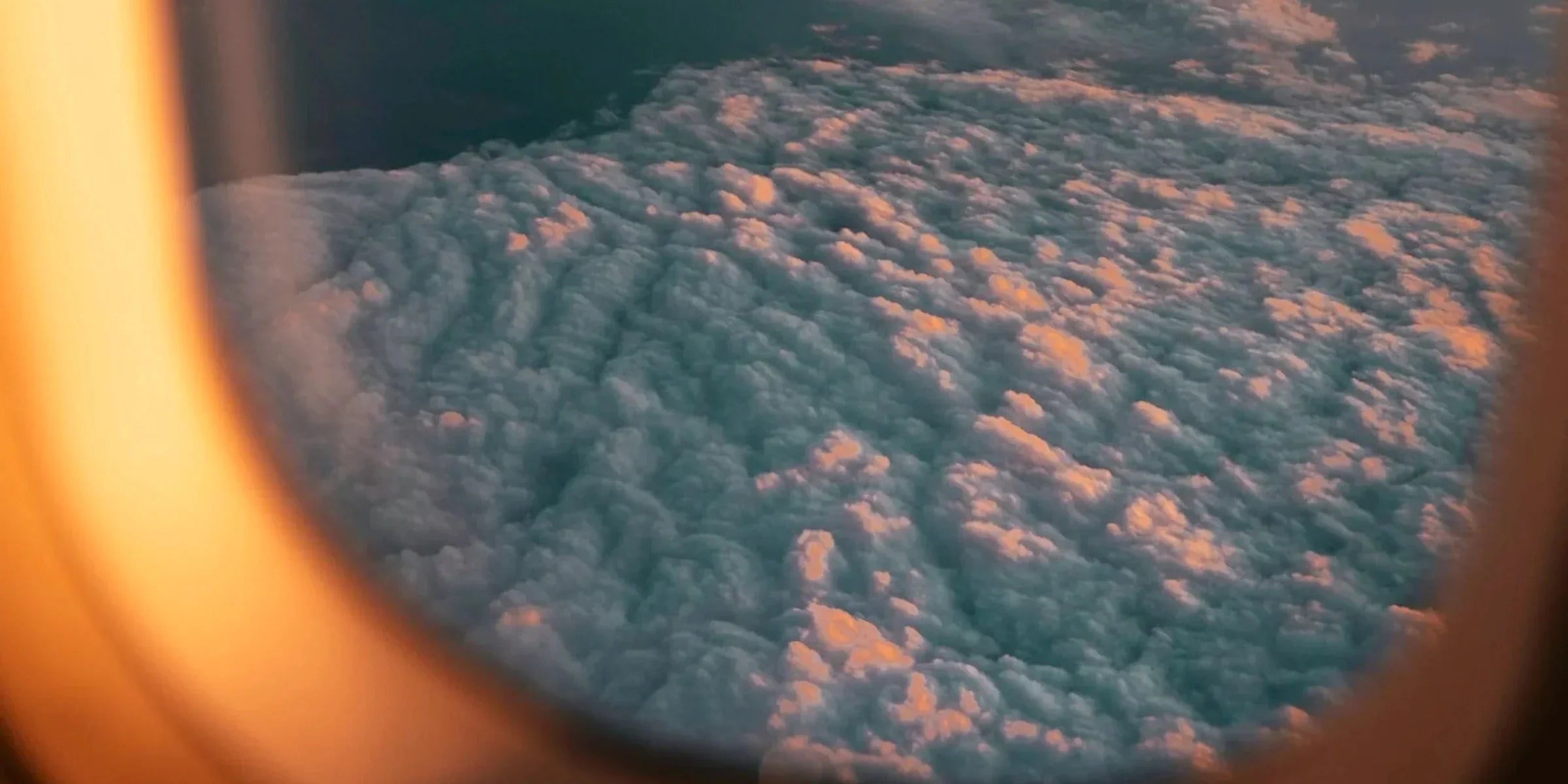
If air-conditioned offices are bad, airplane cabins are a different category.
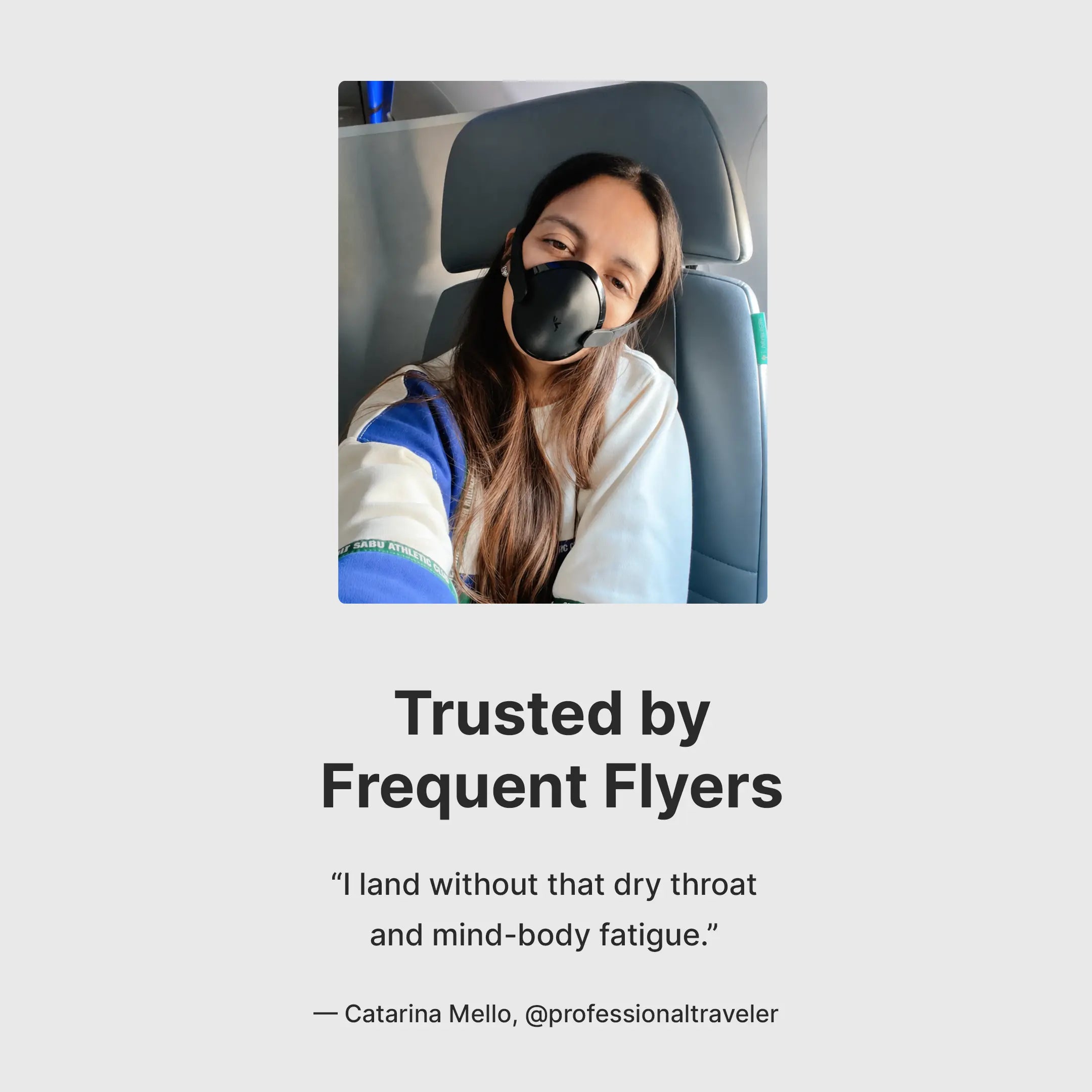
Cabin humidity at cruising altitude sits between 5-12%. Research published in Building and Environment documented the specific symptoms: dry mouth and lips (26% of passengers), nasal stuffiness (18.9%), sore throat (7%), and cough (10.8%).
A study of 3,630 airline passengers found that dry, stuffy nose was the most commonly reported complaint. Not turbulence. Not legroom. Dry air.

Unlike an office, you can't step outside. A long-haul flight locks you in that environment for 8, 10, 15 hours. Your airway surfaces are losing moisture the entire time, and there's nowhere to go.
This matters most for people who rely on their voice. Research by Sivasankar and Fisher (2002) showed that just 15 minutes of mouth breathing in dry conditions measurably raised the phonation threshold pressure — the minimum effort needed to produce voice. Humidified air reversed the effect. Tanner et al. (2014) confirmed it.
If you sing, perform, act, or speak for a living, dry cabin air isn't just uncomfortable. It's an occupational risk.
What actually helps (and what doesn't)
Drinking water helps your body, but not your airway surfaces directly. Stay hydrated. But don't expect water alone to fix the dry throat problem. Oral hydration and airway surface hydration are separate mechanisms (that 2012 Auris Nasus Larynx study again).
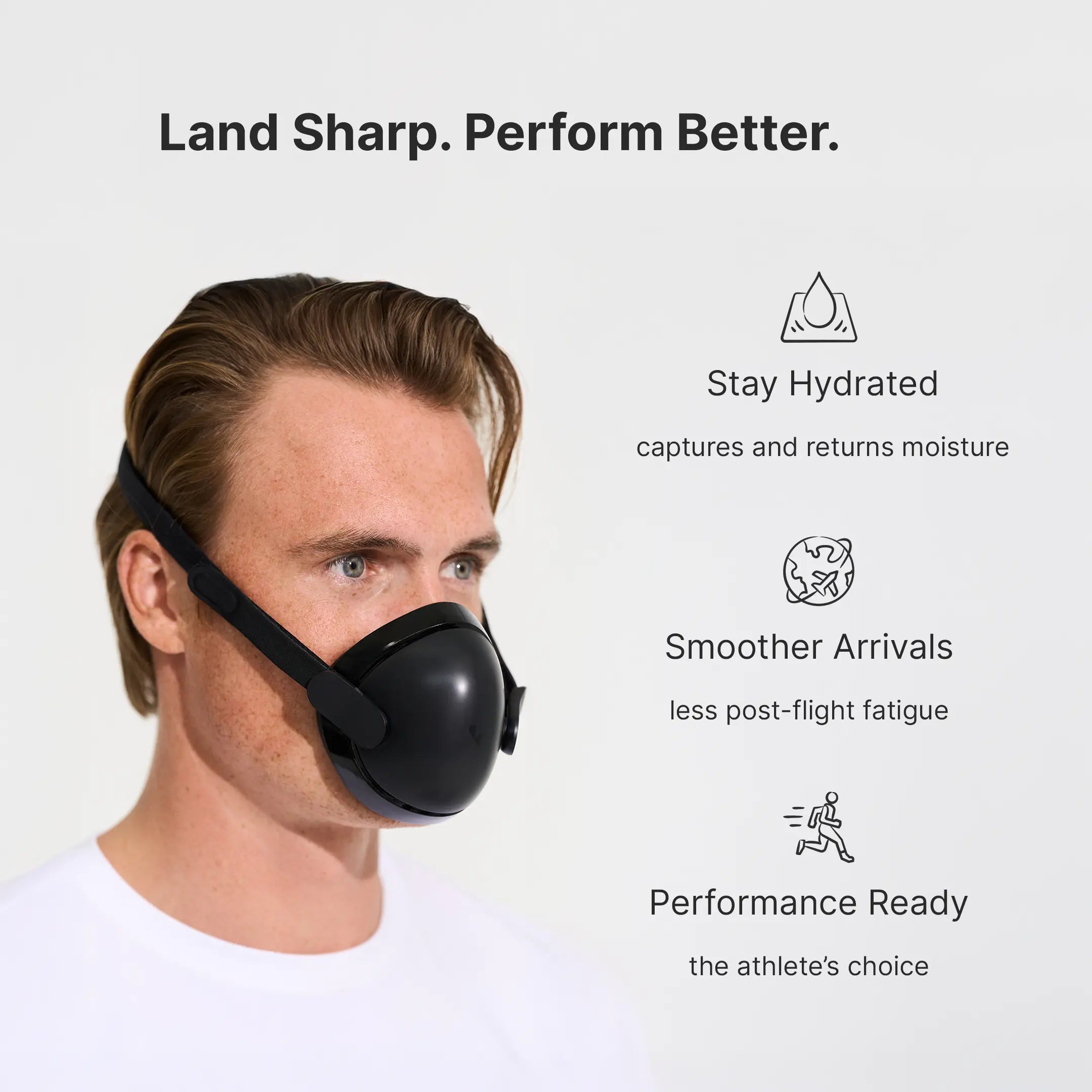
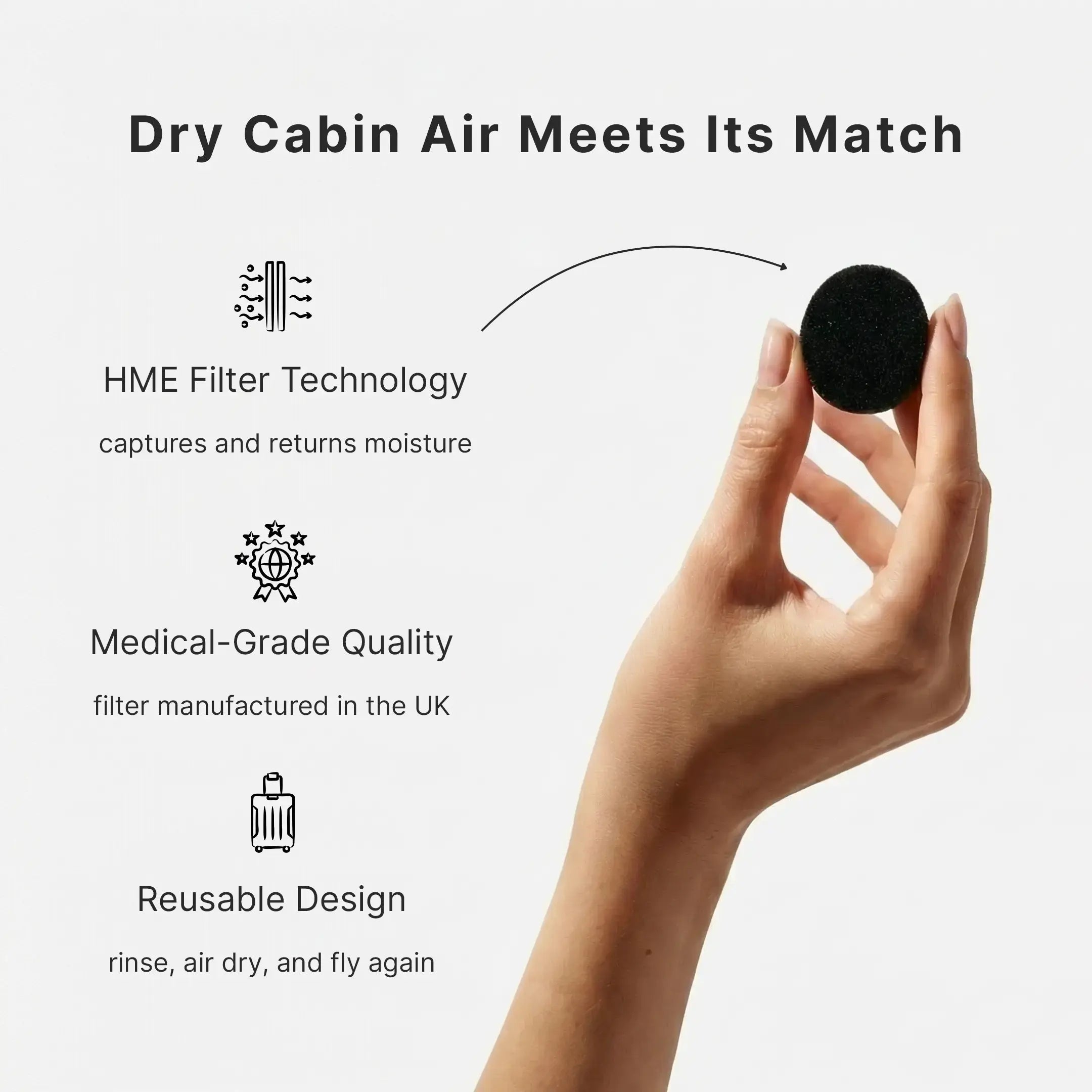
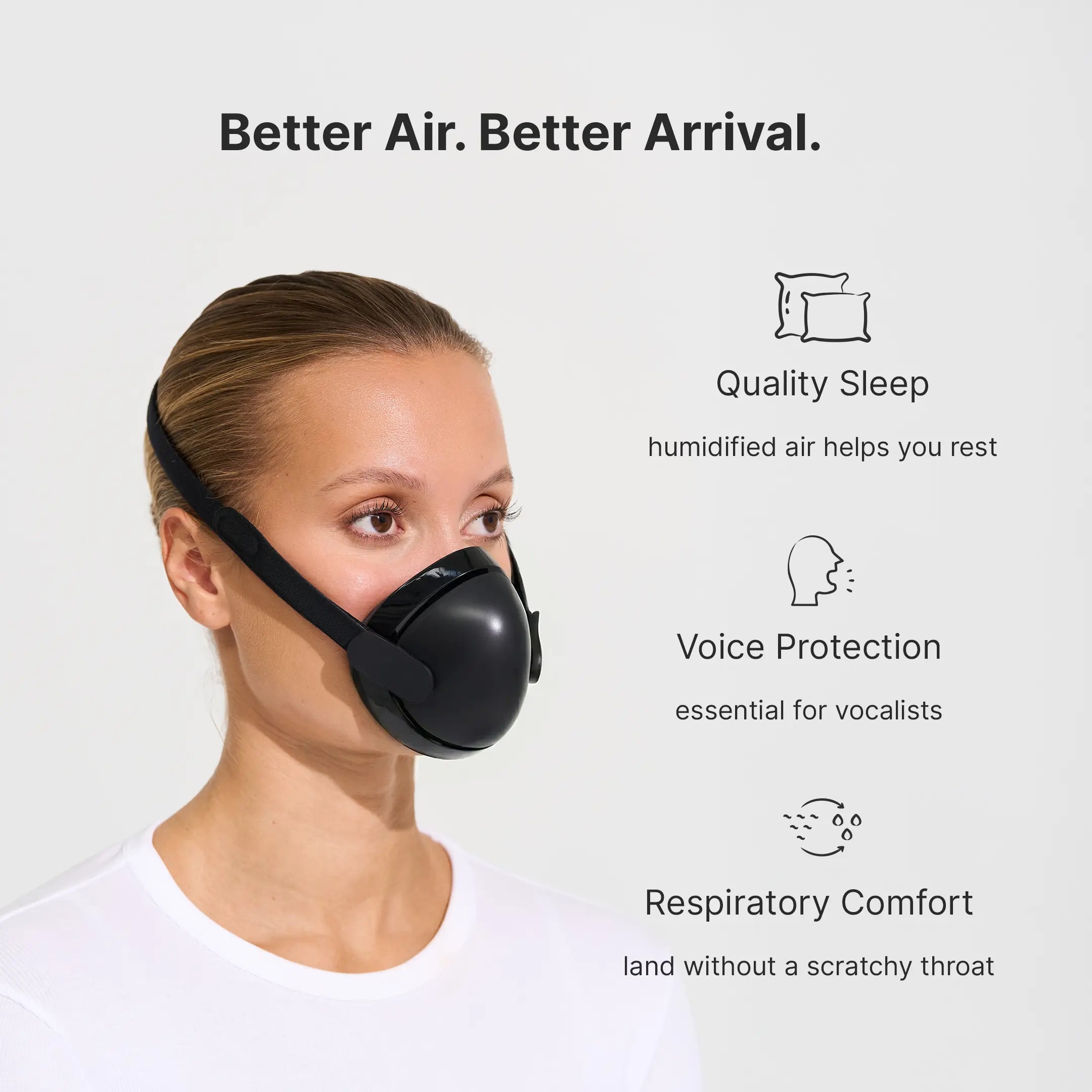
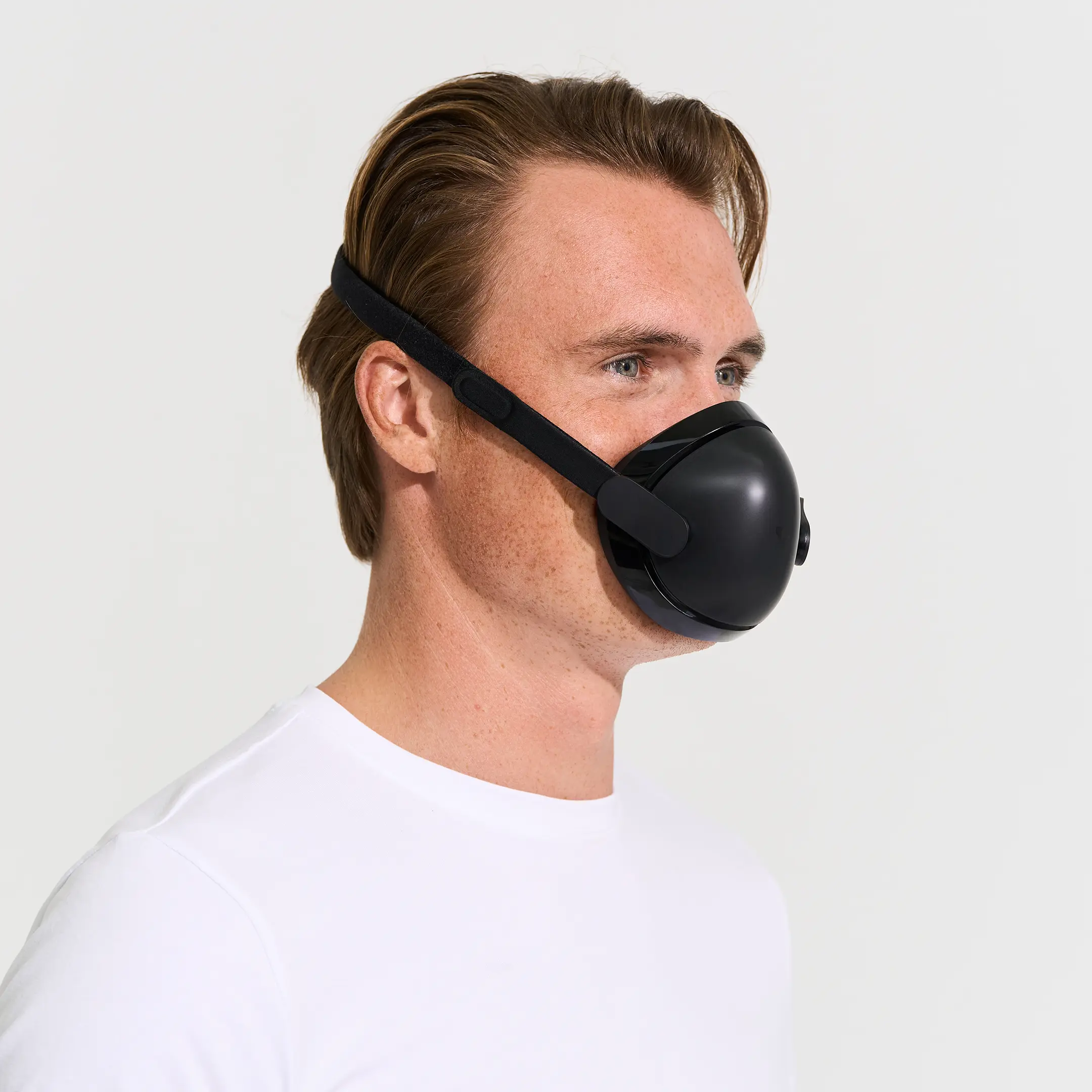
Breathing humidified air works. This is the one intervention that consistently shows results across studies. A room humidifier in your bedroom, a portable humidifier during travel — anything that adds moisture to the air you breathe attacks the root cause.
A 2023 meta-analysis of nine randomized controlled trials, published in Sleep and Breathing, found that humidified air reduced dry nose, dry mouth, and dry throat symptoms compared to non-humidified air.

Breathe through your nose, not your mouth. Your nasal passages warm and humidify air before it reaches your throat and lungs. Mouth breathing skips that system entirely. That's why people who sleep with their mouths open in AC rooms wake up with the worst symptoms.
Turn the AC up a degree or two. Running air conditioning at moderate temperatures removes less moisture. If you control the thermostat, a slightly warmer setting preserves more humidity in the room.
So what's the takeaway?
Air conditioning dries your throat because it strips moisture from the air, and your respiratory tract can't maintain its protective fluid layer when humidity falls below 40%. That dryness impairs mucociliary clearance, triggers inflammation, and makes you more susceptible to irritation and infection.
Drinking water is necessary but not sufficient. The fix has to happen where the problem starts: in the air itself.
Whether you're in an air-conditioned bedroom, a climate-controlled office, or an airplane cabin at 5-12% humidity, the physics don't change. Dry air pulls moisture off your airway surfaces. Your body can't replace it fast enough. And a glass of water, no matter how many you drink, doesn't shortcut that process.
The air you breathe needs moisture in it. That's where this starts and ends.
Sources cited in this article:
- Salah, B., et al. (1988). "Nasal mucociliary transport in healthy subjects is slower when breathing dry air." European Respiratory Journal, 1(9), 852-855.
- Johns Hopkins University (2025). "Global warming risks dehydrating and inflaming human airways." Communications Earth & Environment. hopkinsmedicine.org
- Kudo, E., et al. (2019). "Low ambient humidity impairs barrier function and innate resistance against influenza infection." PNAS, 116(22), 10905-10910. pnas.org
- Wolkoff, P. (2018). "Indoor air humidity, air quality, and health — An overview." International Journal of Hygiene and Environmental Health, 221(3), 376-390.
- Norback, D., et al. (2013). "Air quality and relative humidity in commercial aircrafts." Building and Environment, 67, 83-91.
- Sivasankar, M. & Fisher, K.V. (2002). "Oral breathing increases Pth and vocal effort by superficial drying of vocal fold mucosa." Journal of Voice, 16(2), 172-181.
- Tanner, K., et al. (2014). "Phonation threshold pressure and vocal effort by superficial drying of vocal fold mucosa." Annals of Otology, Rhinology & Laryngology.
- Auris Nasus Larynx (2012). Study on oral hydration and nasal mucosal function in dry environments.
- Sleep and Breathing (2023). Meta-analysis of nine RCTs on humidified air and respiratory symptoms.
This article is for informational purposes. It is not medical advice. If you have persistent respiratory symptoms, consult a healthcare professional.