Dry Mouth on a Plane: Why It Happens and What Helps
Dry mouth on a plane is not random. It is a direct result of cabin air that holds less moisture than most deserts. Humidity at cruising altitude drops to between 5% and 12%, while the body works best around 40–50%.
The problem gets worse during sleep. Jaw muscles relax, the mouth falls open, and dry cabin air flows directly across the tongue and palate. That is why so many travelers wake mid-flight with a mouth that feels like sandpaper — and why sipping water only helps for a few seconds.

Key Takeaways
- Cabin air at cruising altitude holds between 5% and 12% humidity — roughly a quarter of what indoor air normally carries.
- Mouth breathing during sleep is the single biggest trigger for severe dry mouth on a plane.
- Drinking water hydrates the stomach, not the oral mucosal surface where moisture is actually lost.
- Saliva does far more than keep the mouth wet — it protects teeth, fights bacteria, and supports comfortable swallowing.
- Simple in-flight habits can reduce moisture loss significantly, even on long-haul routes.
Why Cabin Air Dries Out the Mouth So Quickly
At cruise, outside air is pulled through the engines, squeezed, cooled, and pumped into the cabin. That process strips nearly all water from it. The cabin ends up drier than the Sahara, which sits around 25%.
Saliva is mostly water. In air this dry, it fades from the tongue, cheeks, and palate faster than the body can make more. The salivary glands try to keep up, but the math does not work at 5–12%.
This is not the same as feeling thirsty. Thirst means the blood needs fluid. Dry mouth means the tissue itself is losing water straight to the air — a process called insensible water loss.

The Mouth-Breathing Problem: Why Sleep Makes It Worse
The nose filters, warms, and adds moisture to each breath. It also reclaims about 30% of the water in each exhale. The mouth does none of this.
During sleep, muscle tone drops and the jaw falls open. Breathing shifts from the nose to the mouth. Research in the Journal of Physiology found that oral wetness dropped to barely detectable levels after two hours of mouth breathing.
On a plane, this creates a feedback loop:
- Cabin air is already extremely dry at 5–12% humidity.
- Sleep triggers mouth breathing, which bypasses the nose’s built-in humidifier.
- Dry air flows directly over the tongue and palate, evaporating saliva on contact.
- Salivary glands slow down during sleep, so replacement moisture drops just as demand rises.
This is why a five-hour daytime flight can leave the mouth slightly dry, while an overnight red-eye of the same length can leave it painfully parched.
What Saliva Actually Does (and What Happens Without It)
Saliva is easy to take for granted — until it is gone. It does far more than keep the mouth wet.
| Function | What saliva does | What happens without it |
|---|---|---|
| Lubrication | Coats the tongue, cheeks, and gums | Tissues stick together; speaking and swallowing become difficult |
| Germ defense | Holds enzymes that fight bacteria | Bacteria grow faster, raising the risk of bad breath |
| Tooth shield | Blocks acid and rebuilds enamel | Enamel wears down faster |
| Taste | Dissolves food molecules so taste buds can detect them | Food tastes muted or metallic |
| Digestion | Begins breaking down starches | Digestion starts later, in the stomach |
On a long flight, less saliva means less comfort, weaker tooth defense, and duller taste. The Cleveland Clinic notes that dry mouth, cracked lips, and tight skin are among the most common effects of flying.
Why Drinking Water Is Not Enough
Water helps with the kind of drying out that shows up as dark urine, tiredness, and headaches. It fills the blood and organs back up. But it does very little for the mouth itself, where the real loss is happening.
A sip wets the mouth for a few seconds. Then it goes down to the gut and spreads through the body. The tongue is dry again almost right away because the cause is in the air, not the blood.
This is the same reason that drinking more water does not stop airway moisture loss. The air hitting the tissue is still at 5–12%, so the drying goes on no matter how much fluid is in the stomach.

What Actually Helps: Practical Steps for Every Flight
Not every fix works the same way. Here is what helps most, ranked by how well each one targets the root cause.
Breathe through the nose
This is the single best step. Nose breathing adds moisture to the air and cuts oral water loss sharply. Travelers who tend to mouth-breathe in their sleep can try chin straps or mouth tape made for sleep — though comfort varies, and anyone with a stuffy nose should skip taping.
Humidify the air you breathe
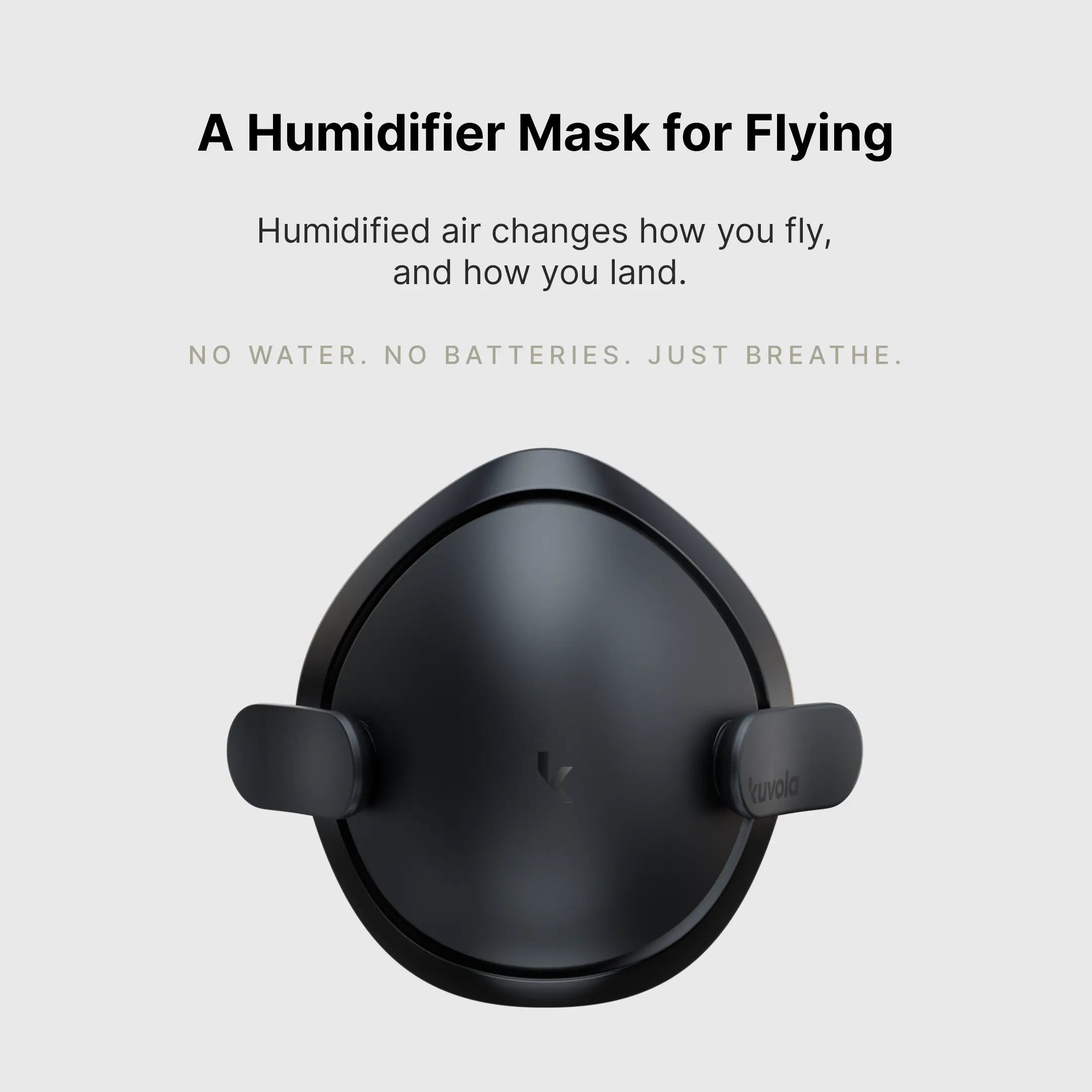
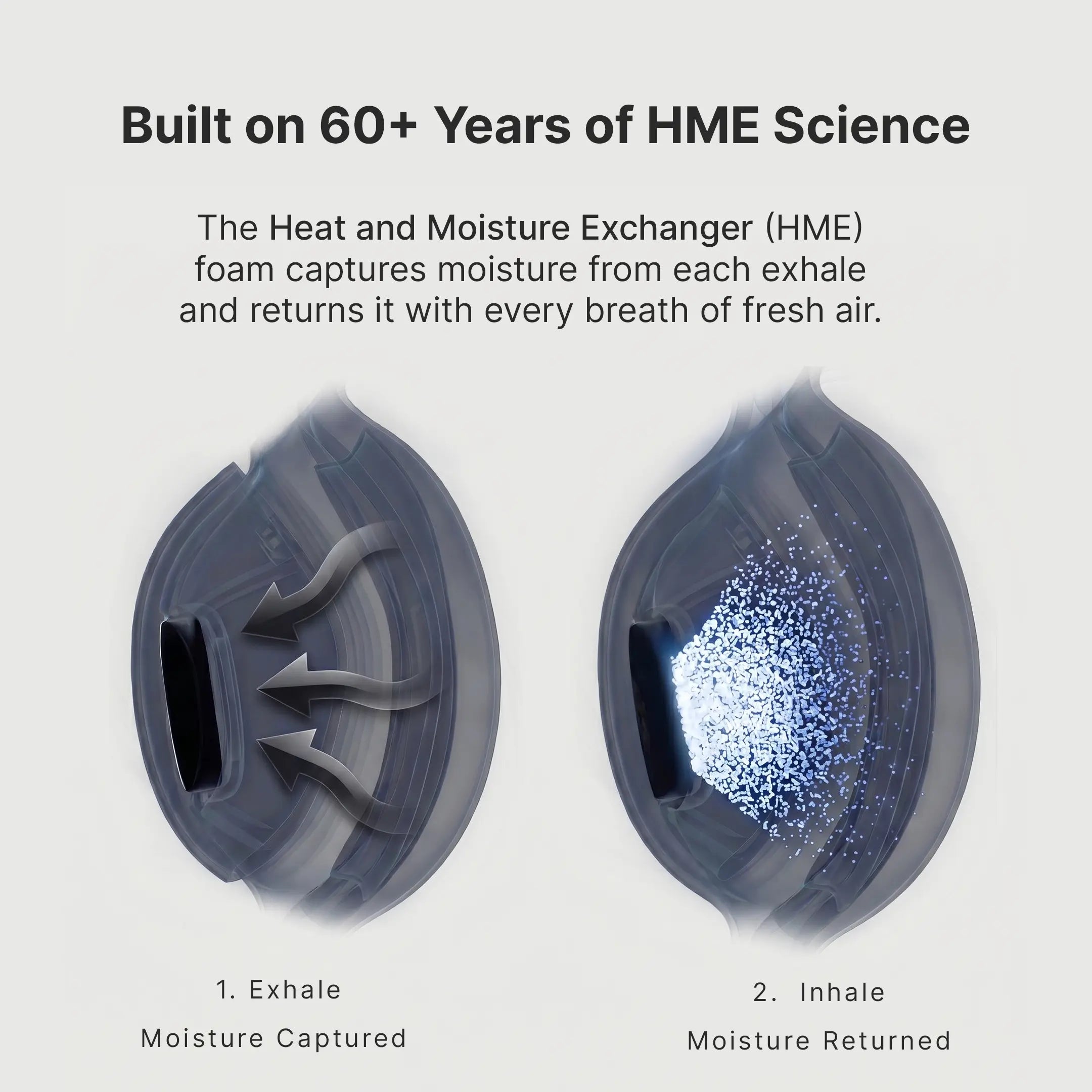
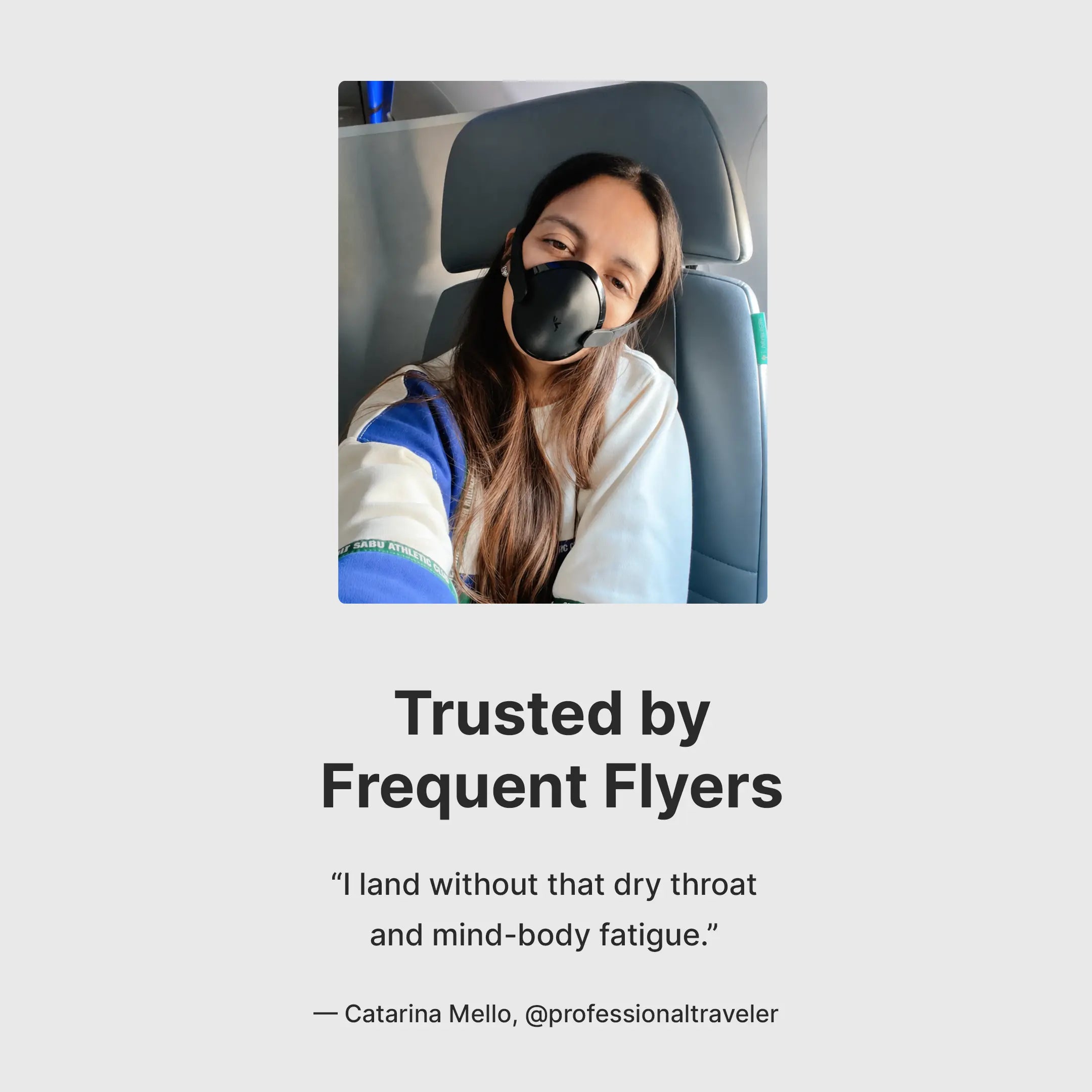
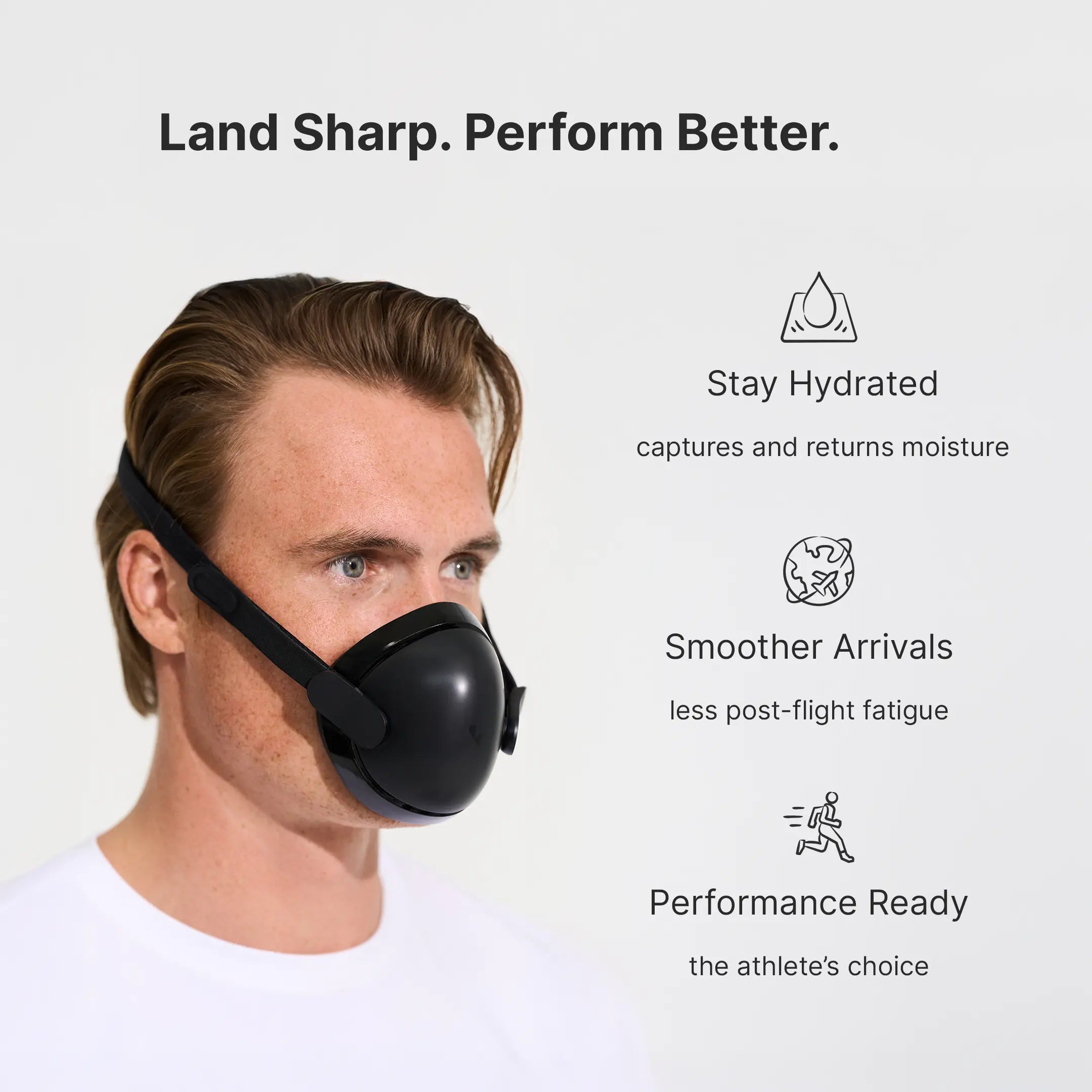
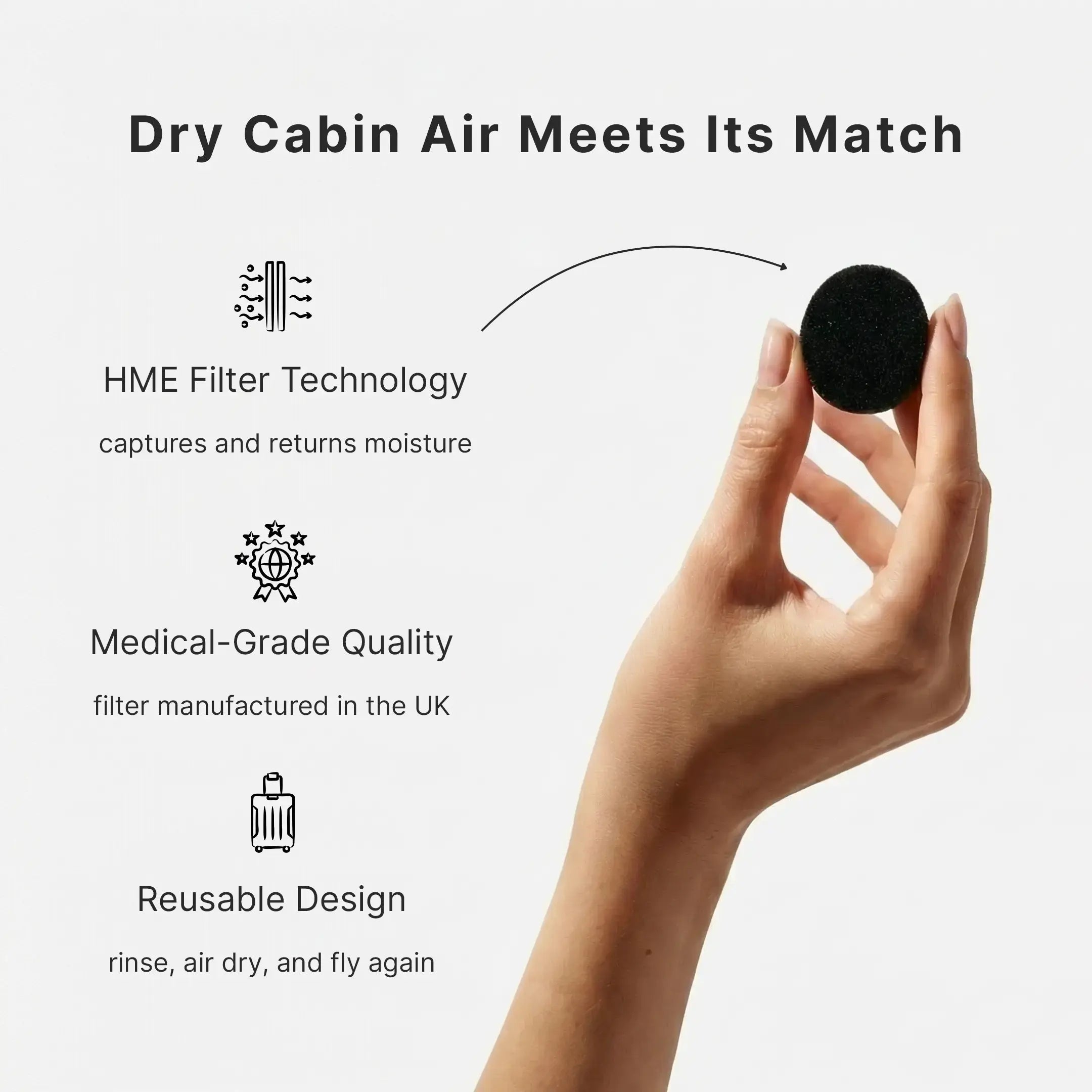
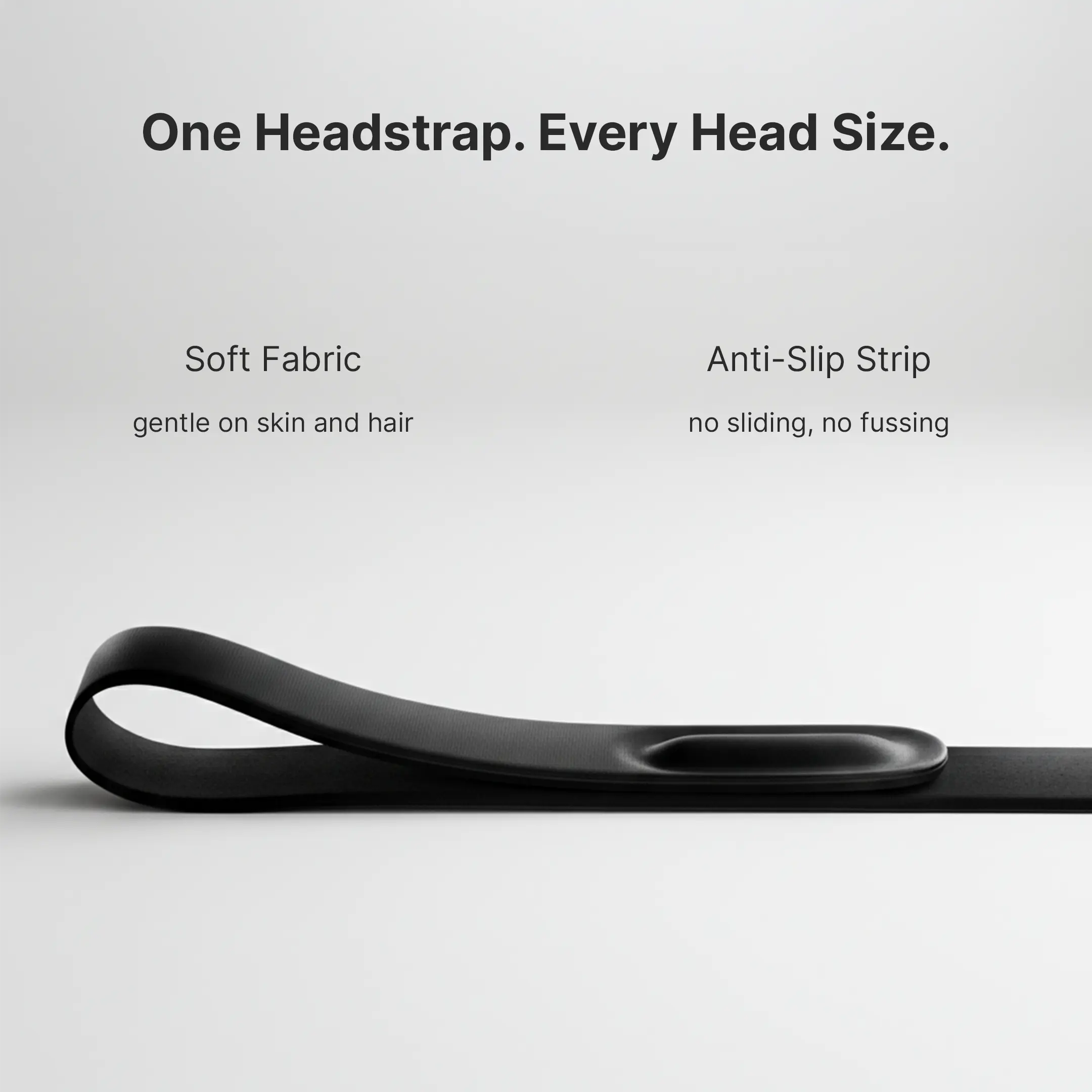
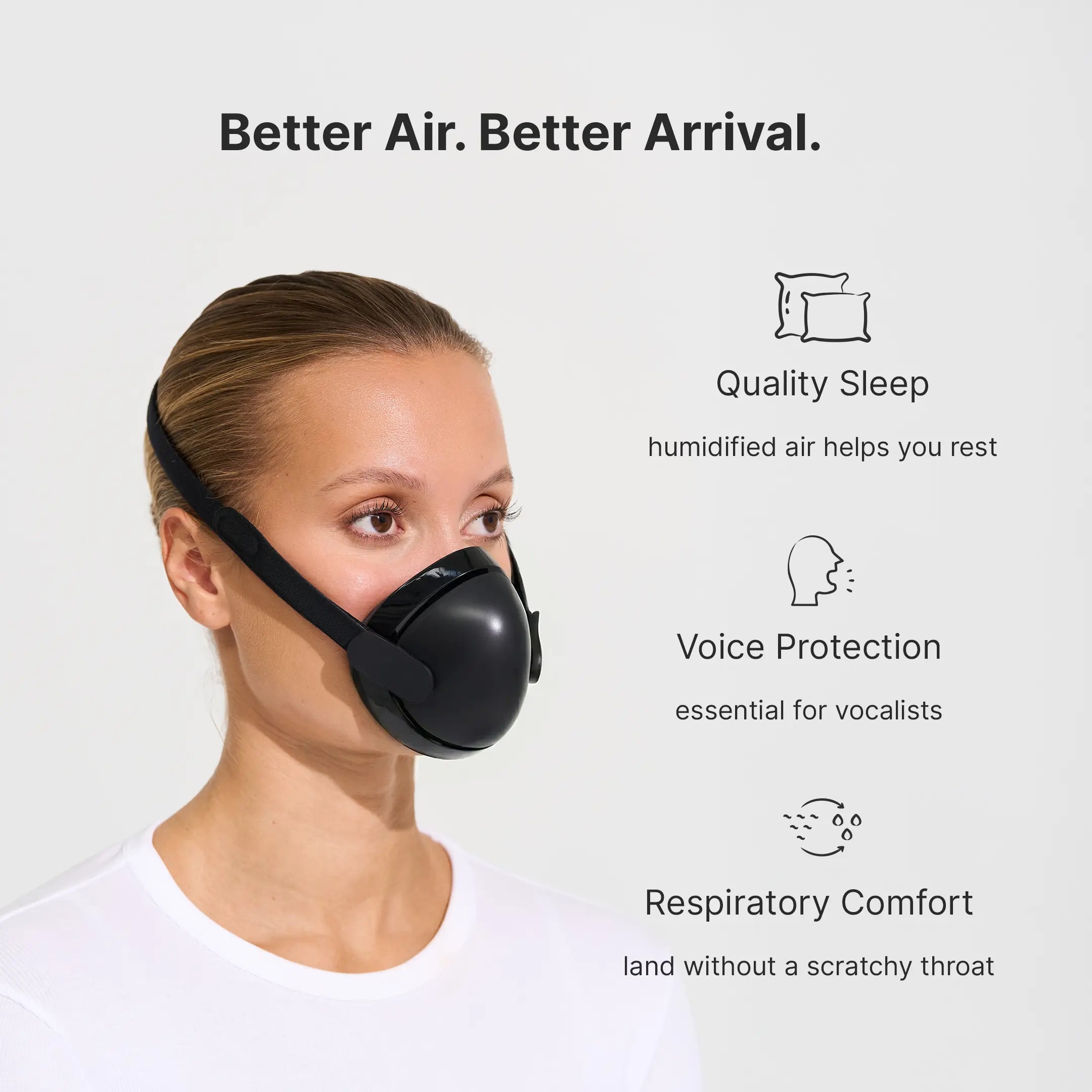
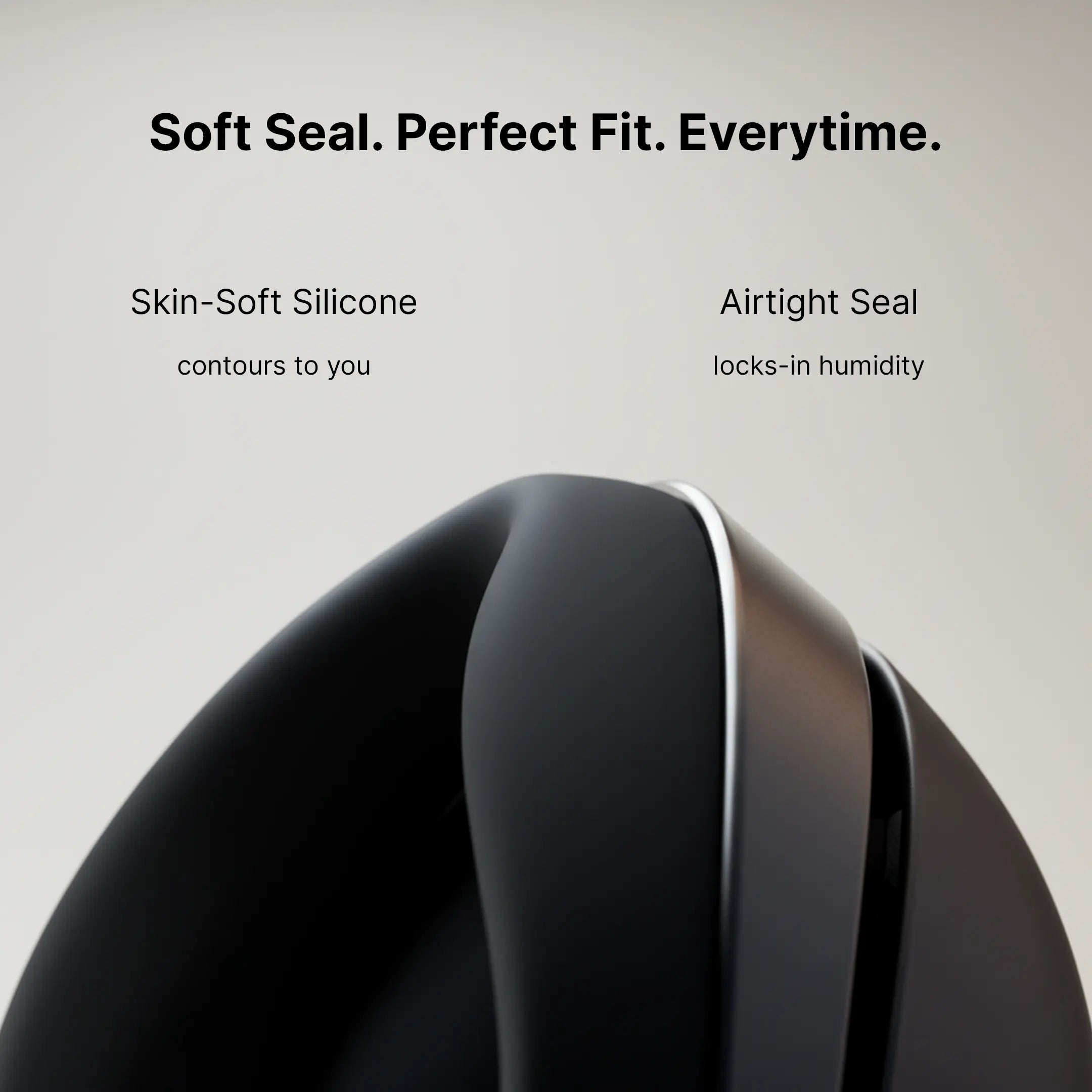
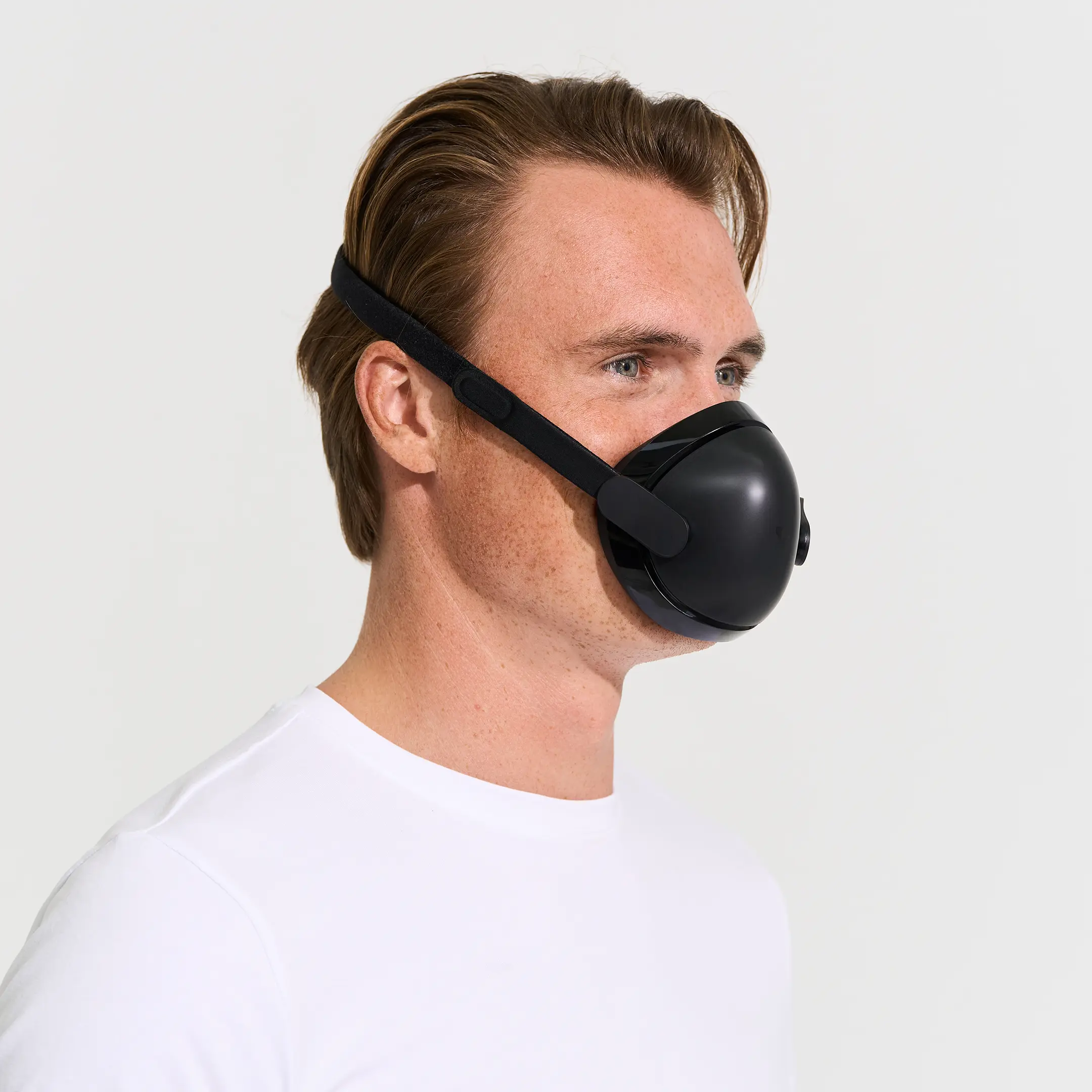
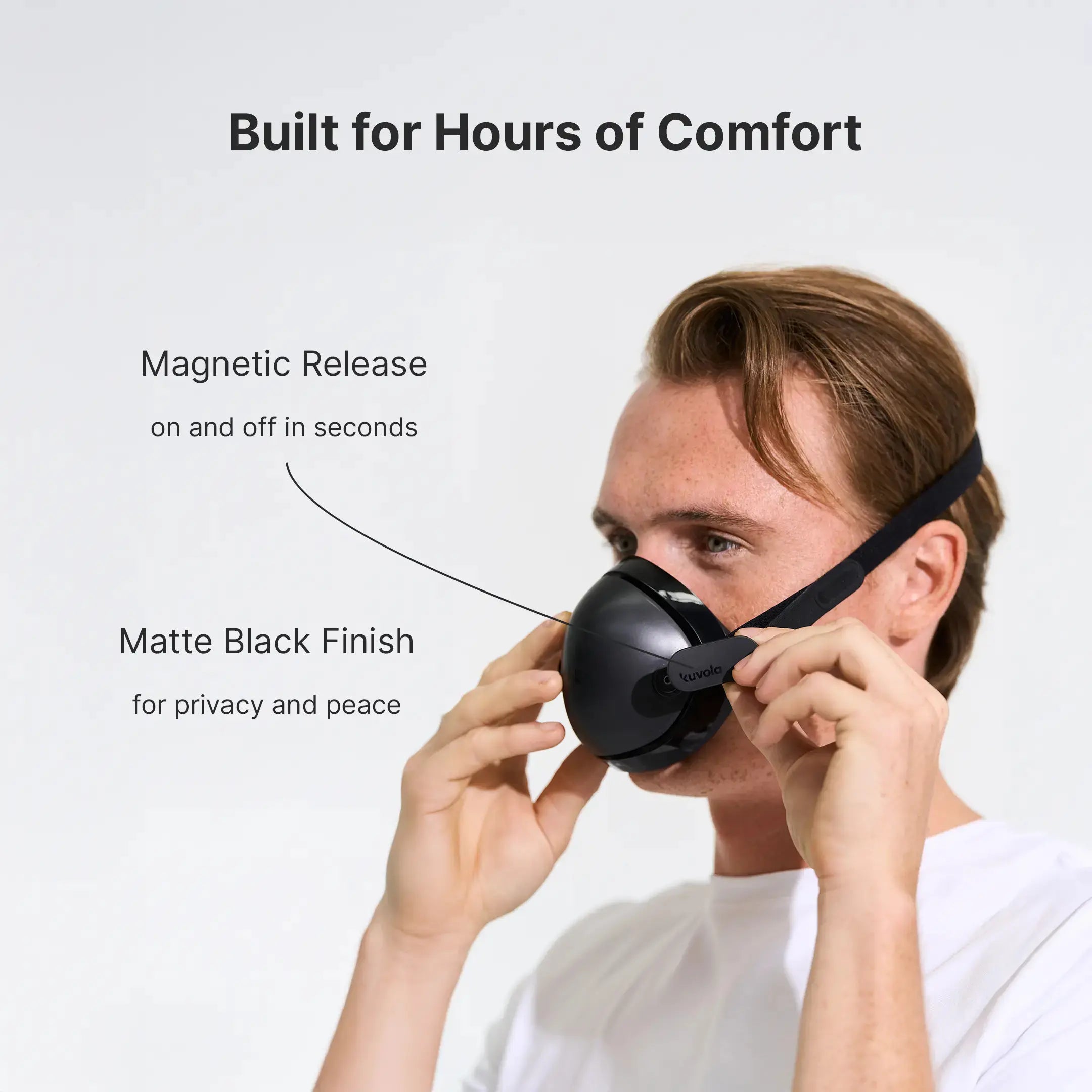
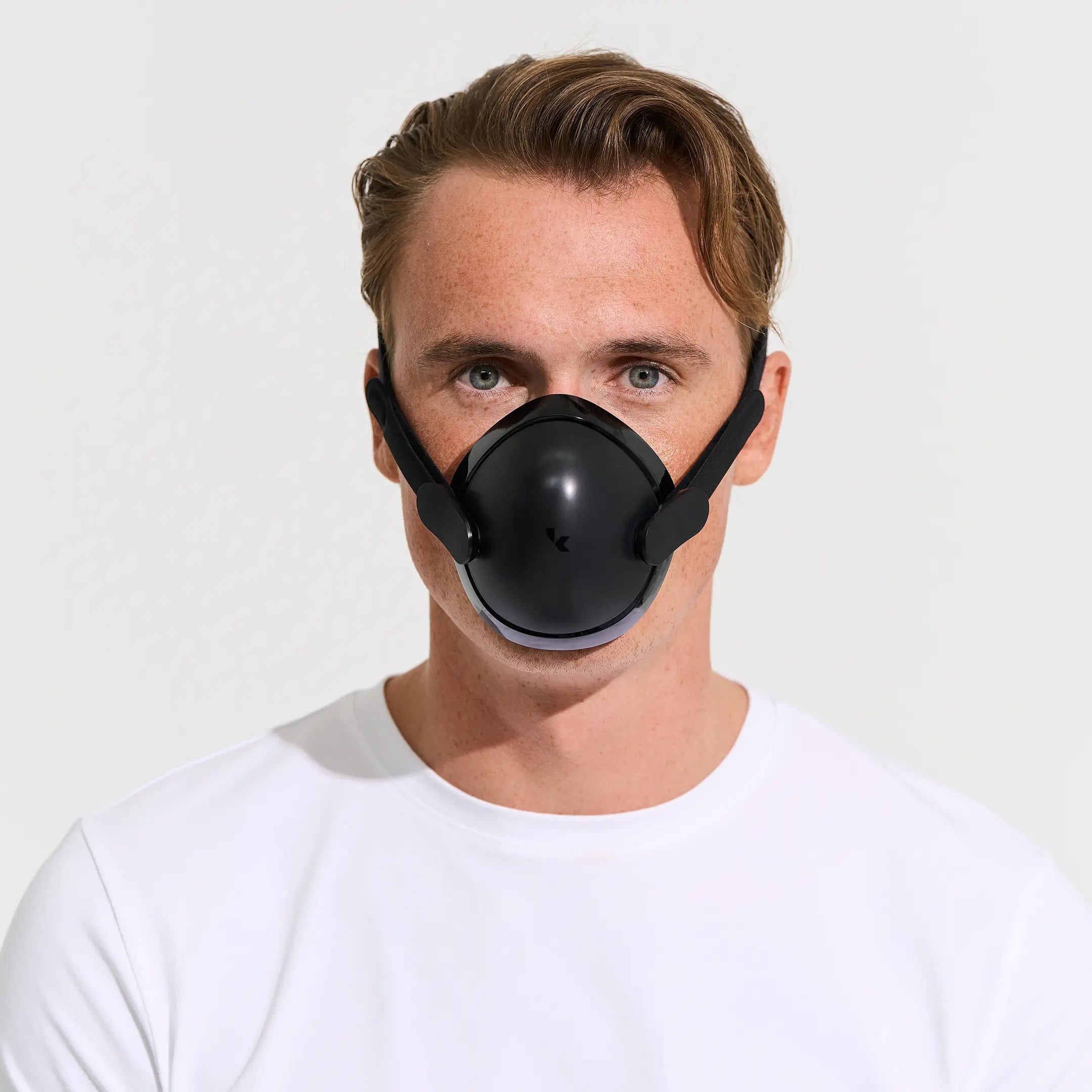
A humidifier mask traps moisture from each exhale and feeds it back into the next breath. The method is called Heat and Moisture Exchange (HME). It works through the nose or mouth and needs no water, batteries, or plugs.
Chew sugar-free gum
Chewing wakes up the salivary glands. Gums with xylitol also help fight bacteria. This works well while awake but is not useful during sleep, which is when dry mouth hits hardest.
Avoid alcohol and caffeine before and during the flight
Both speed up fluid loss. Alcohol also relaxes the muscles that keep the mouth shut during sleep, making mouth breathing more likely. Cutting the pre-flight coffee and in-flight wine takes two risk factors off the table at once.
Use a saline nasal spray
Keeping the nasal lining moist makes it easier to breathe through the nose for the whole flight. A basic saline spray used before boarding and again mid-flight can help stop the shift to mouth breathing that drives bad dry mouth.
Sip water steadily (but do not rely on it alone)
Water still matters for overall hydration. The point is not to stop drinking — it is to know that water alone cannot fix a problem caused by the air, not the blood. Pair it with steps that target the mouth itself.
Who Is Most Affected
Some travelers feel dry mouth more than others. Cabin dryness affects everyone, but certain things raise the risk.
- Travelers on certain drugs: cold pills, blood pressure drugs, and some mood drugs all list dry mouth as a side effect. Cabin air makes it worse.
- Mouth breathers: anyone who breathes through the mouth by habit — due to allergies, a blocked nose, or sleep posture — loses moisture faster at altitude.
- Older adults: saliva output tends to drop with age, leaving less buffer before the mouth feels dry.
- Voice professionals: singers, actors, and broadcasters rely on a moist mouth. Dryness changes vocal tone and can cause pain that lasts well past landing.
Dry Mouth vs. Dry Throat: What Is the Difference?
Both come from the same dry cabin air, but they hit different tissues. Dry mouth affects the tongue, palate, and cheeks — the zones where saliva keeps things wet.
A sore throat on a plane involves the passage behind the mouth. The throat relies on a thin mucus layer, not saliva, for moisture. Both problems share the same root cause and the same fix: adding moisture to the air before it reaches these tissues.

Frequently Asked Questions
Why does my mouth get so dry on a plane but not in an air-conditioned office?
Office air sits around 30–40% humidity. Cabin air drops to between 5% and 12%. That gap means moisture leaves the mouth many times faster at altitude than in any normal indoor space.
Does the length of the flight matter?
Yes. Moisture loss builds over time. A two-hour hop may cause mild dryness, but a ten-hour red-eye can leave the mouth raw. Long-haul flights compound the problem hour by hour.
Can dry mouth on a plane damage my teeth?
Less saliva for a long time raises the risk of acid wear and bacteria. One flight is not likely to cause lasting harm, but frequent flyers who get dry mouth on every trip may want to talk to a dentist about it.
Is dry mouth on a plane a sign of dehydration?
Not always. Low fluid in the blood and a dry mouth are related but not the same thing. A traveler can drink plenty of water and still have a dry mouth, because cabin air pulls moisture from the tissue faster than saliva can replace it.
Should I use a mouth spray or a humidifier mask?
They work in different ways. A spray adds short-term moisture to the mouth — helpful, but it fades fast. A humidifier mask treats the cause by adding moisture to the air itself, so loss slows with each breath.
For red-eye flights, a mask gives longer relief. For short daytime hops, a spray may do the job.
Photos by Yue WU, Alexander Schimmeck, Dan Gold, and manu schwendener on Unsplash.