
★★★★★ 4.6/5
Trusted by vocal coaches and touring professionals
HME Foam technology
Designed in Stockholm
100-day money-back guarantee
7 Vocal Mistakes Even the Pros Make
(And How to Fix Them)
You have a killer voice. You practice every day. You might even perform for a living. But even highly trained singers can fall into bad habits.

01
Pushing Too Much Air (Over-Blowing)
What it is: Blasting too much air from your lungs against tight vocal cords.
Why it happens: Singers often think a big, high note requires a massive burst of breath.
The danger: It overloads your throat muscles and makes your voice tire out fast.
The fix: Use less air. Focus on steady, controlled breath pressure rather than a huge blast.

02
Ignoring Dry Air When Traveling or Touring
What it is: Dry air causes your voice to lose its natural lubrication, turning the protective fluid on your vocal cords into sticky, thick mucus.
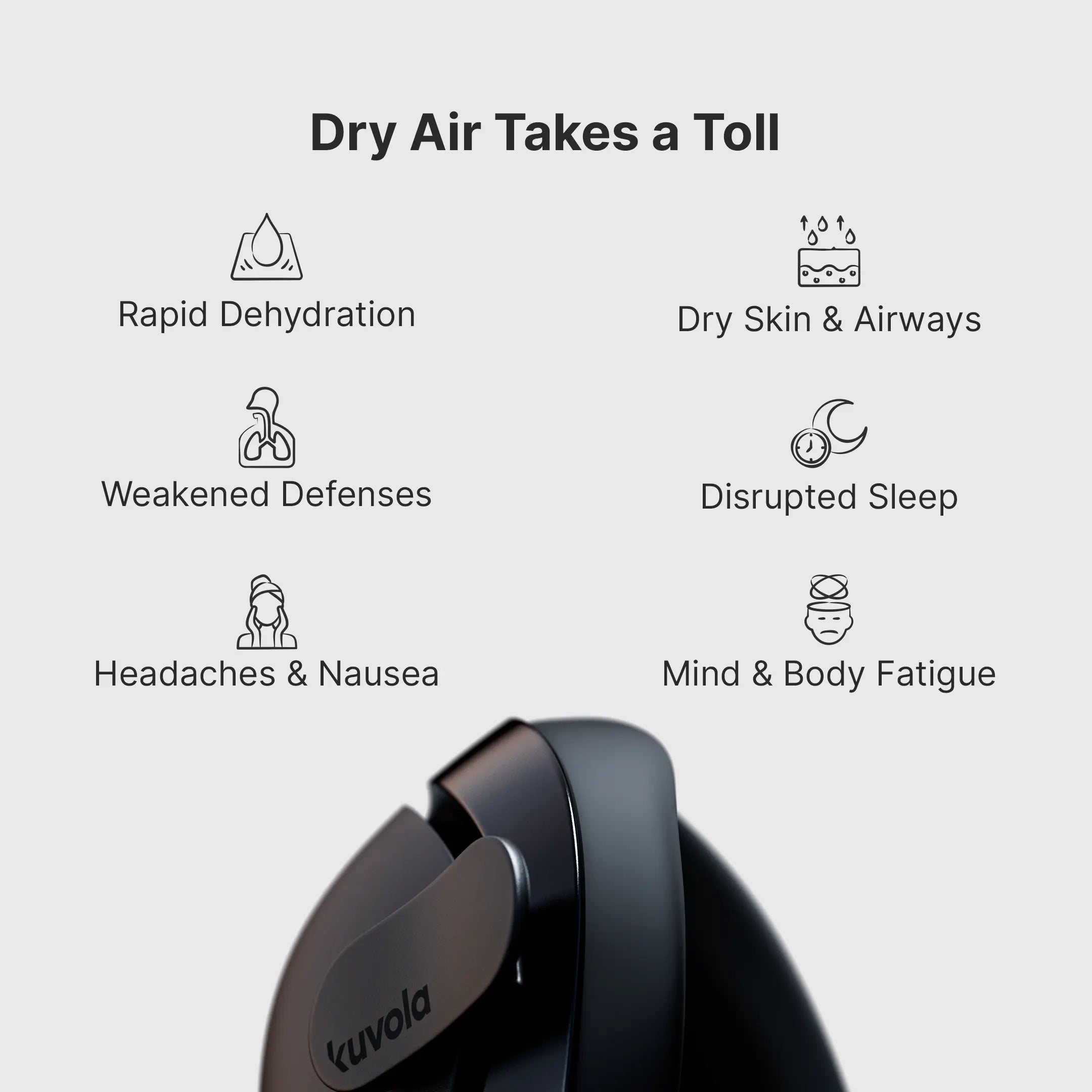
Why it happens: Airplane cabins, hotel rooms, and tour buses frequently drop below 20% humidity, stripping moisture from your throat every time you breathe.
The danger: Your vocal cords become stiff and heavy. You have to force air twice as hard just to make a sound, which quickly steals your high notes, causes early vocal fatigue, and increases the risk of a vocal cord bleed.
The fix: Don't just drink water. Use a humidifier mask to protect your voice.

03
Dragging Your "Chest Voice" Too High
What it is: Forcing your heavy, speaking voice into higher pitch zones where it doesn't belong.
Why it happens: You want that powerful, belt sound, so you just keep pushing up.
The danger: Your voice will hit a "wall," crack, or sound like yelling.
The fix: Learn to slide smoothly into a "mixed voice." This blends your low chest notes and high head notes.

04
Slamming Your Vocal Cords (Hard Attacks)
What it is: Hitting vowel sounds (like "Ah" or "Oh") with a sharp, clicking punch.
Why it happens: Trying to sound crisp or emotional at the start of a lyric.
The danger: It slams your vocal cords together, causing swelling and irritation.
The fix: Let a tiny hint of air escape right as you start the sound. Think of a smooth glide, not a punch.

05
Smiling Too Wide on High Notes
What it is: Pulling the corners of your mouth wide instead of keeping your mouth tall.
Why it happens: It feels natural to widen your mouth when you reach for higher pitches.
The danger: It makes your voice sound thin, sharp, and overly bright.
The fix: Keep your mouth in a vertical, oval shape. Drop your chin down rather than pulling your cheeks back.

06
Letting Your Soft Palate Drop
What it is: Allowing the roof of the back of your mouth to sag.
Why it happens: Laziness or fatigue during long rehearsals.
The danger: Your voice loses its ring, sounds too nasal, and fails to project over instruments.
The fix: Imagine the beginning of a yawn. That lifting feeling in the back of your throat is where it needs to stay.

07
Letting Your Belly Collapse Early
What it is: Dropping your posture and letting your stomach cave in right after you take a breath.
Why it happens: Forgetting to hold your core posture steady while singing a long line.
The danger: Your throat has to squeeze to trap the remaining air, killing your power.
The fix: Keep your ribs expanded and your lower belly engaged through the very end of the sentence.
Humidifier Masks
Why Vocal Coaches Choose Kuvola
Most of these mistakes come down to technique. Things you can fix with practice and awareness.
But dry air? That's not a habit. When cabin humidity sits at 5–12%, your vocal folds lose their natural lubrication no matter how perfect your form is.
That's the reason singers and vocal coaches are packing Kuvola alongside their steamers and throat coats.
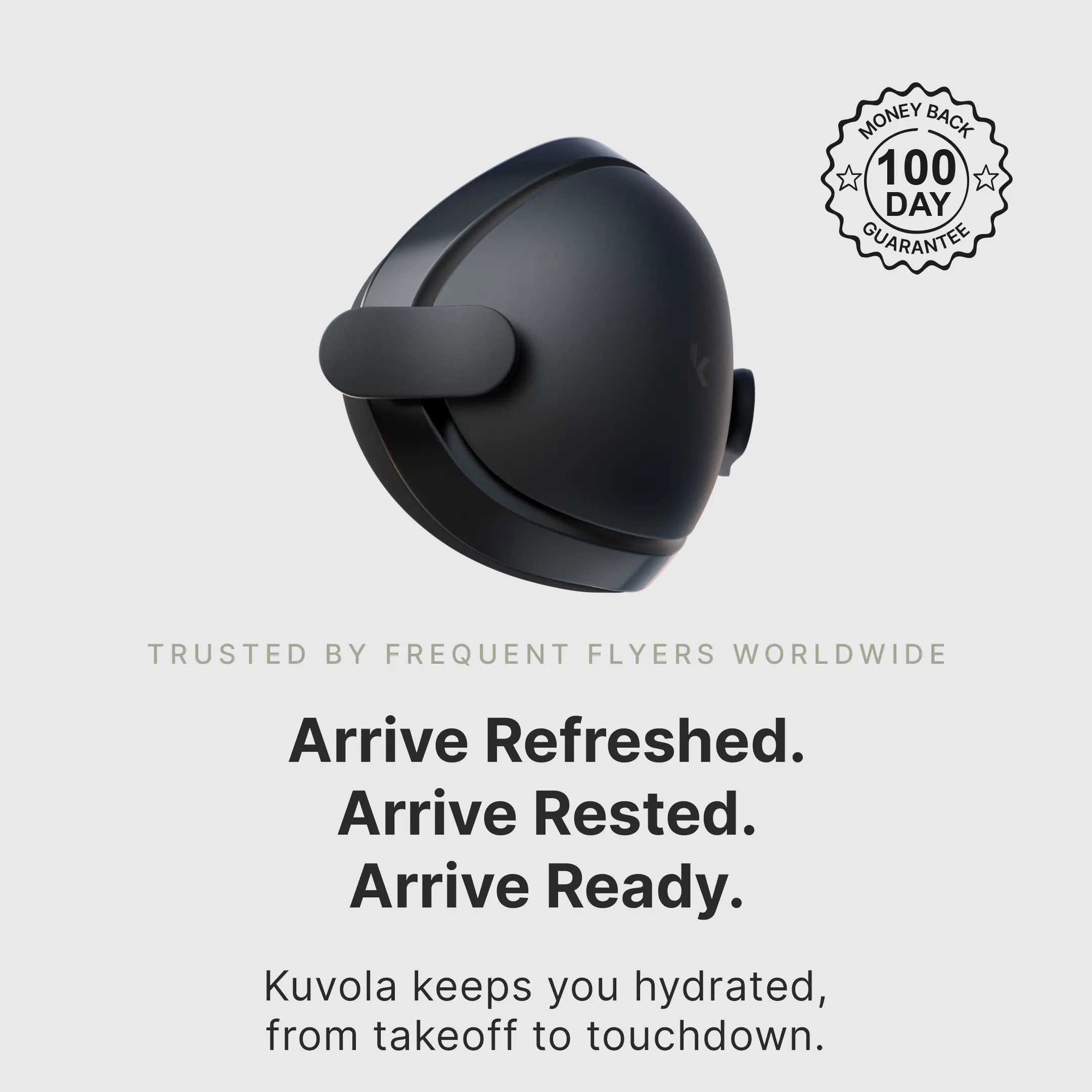
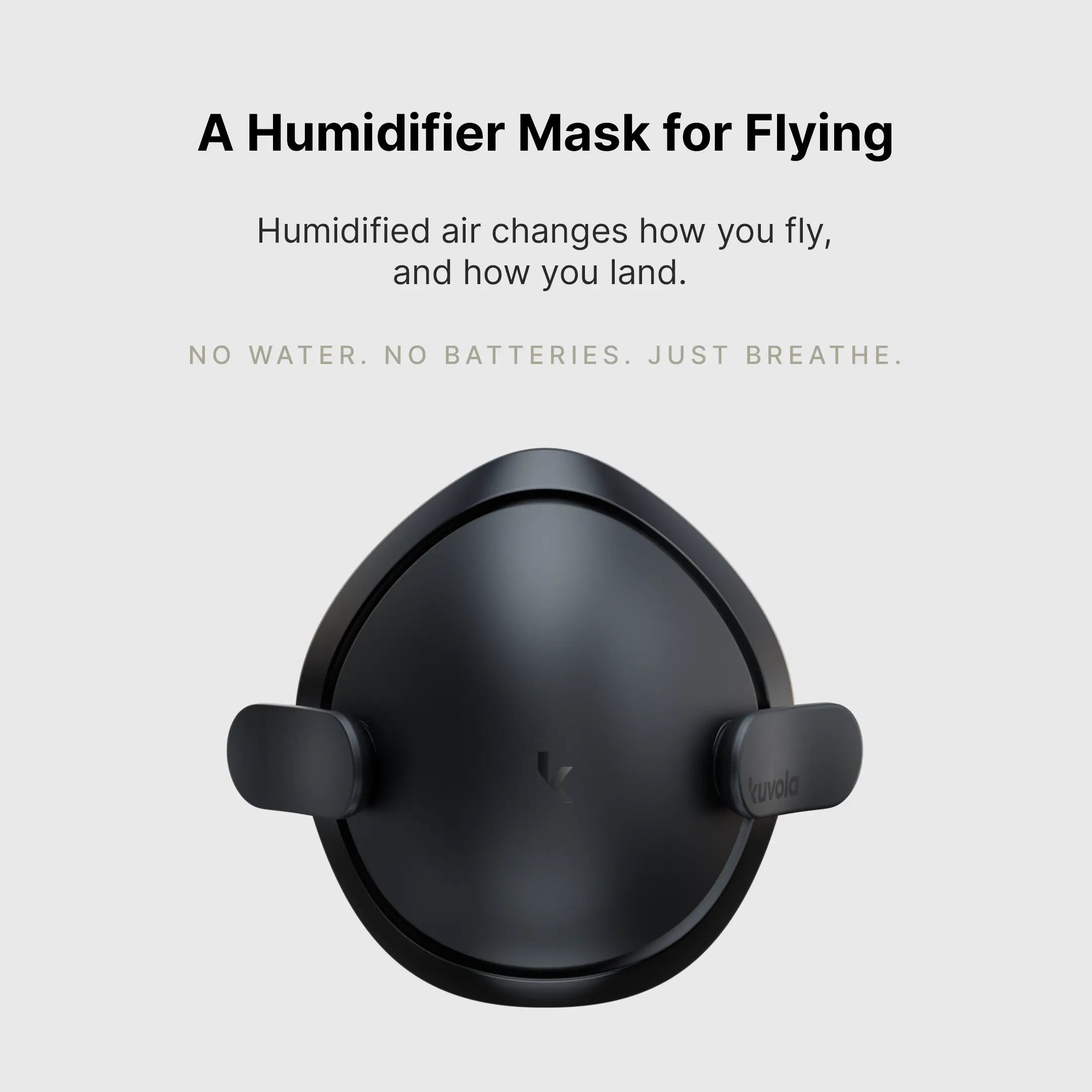
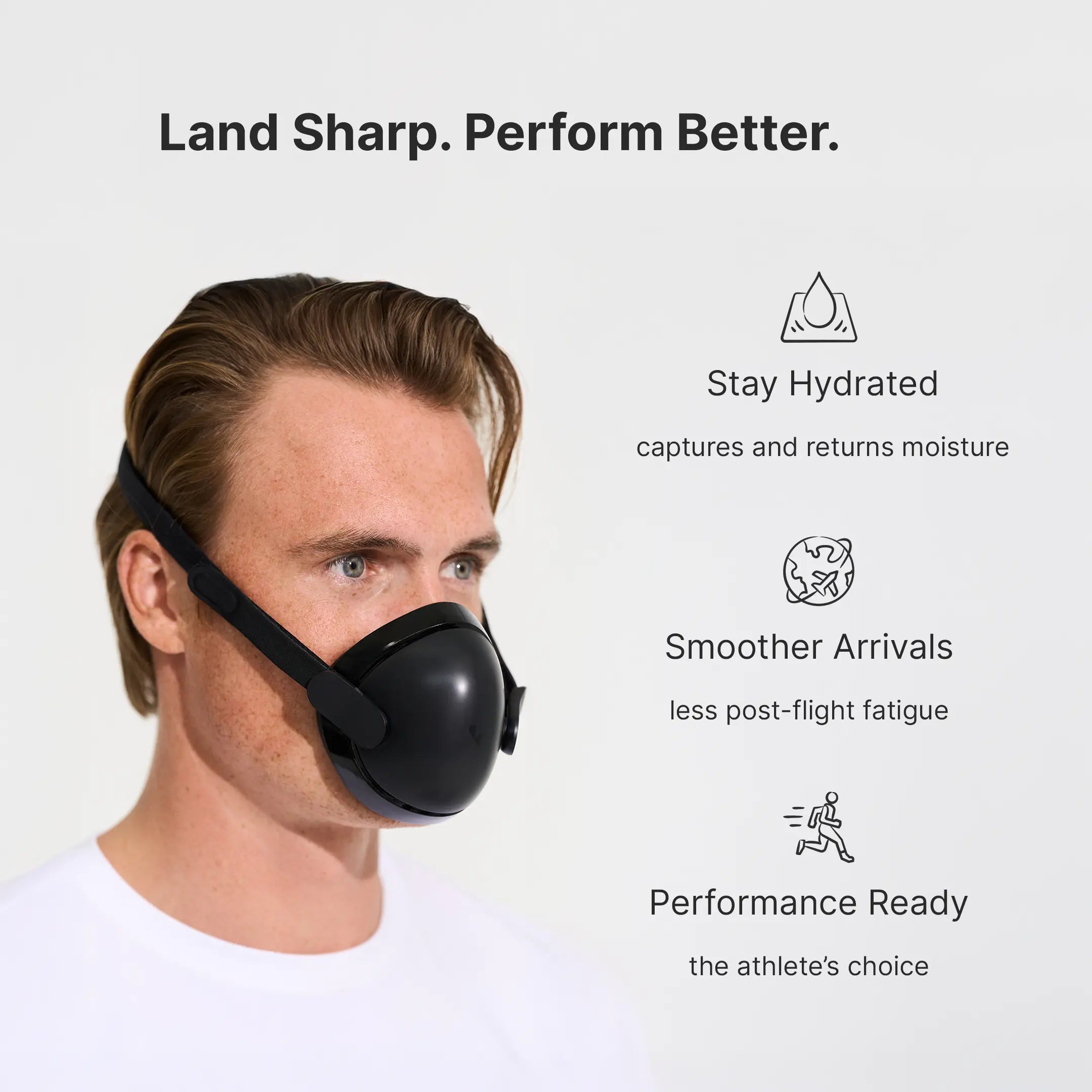
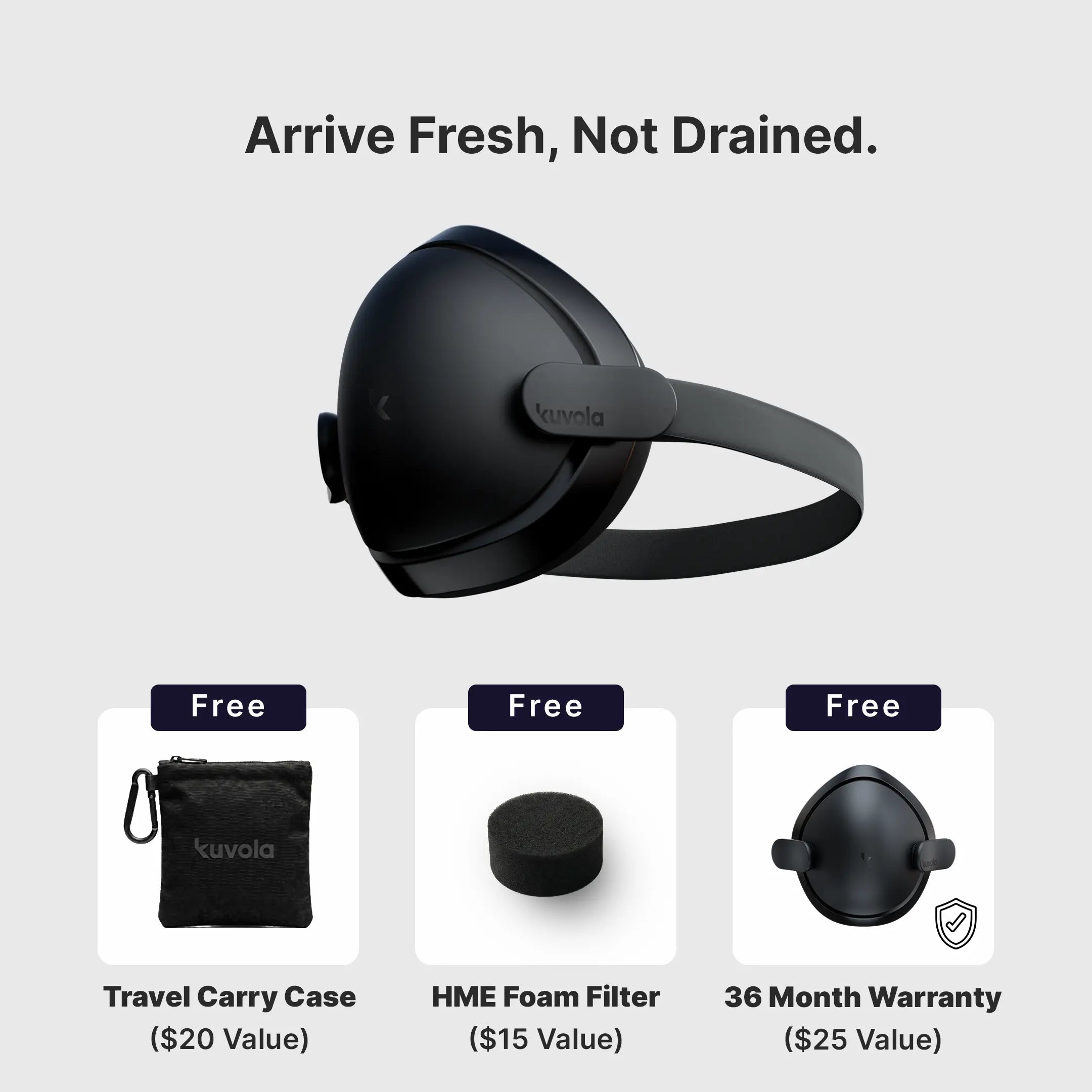
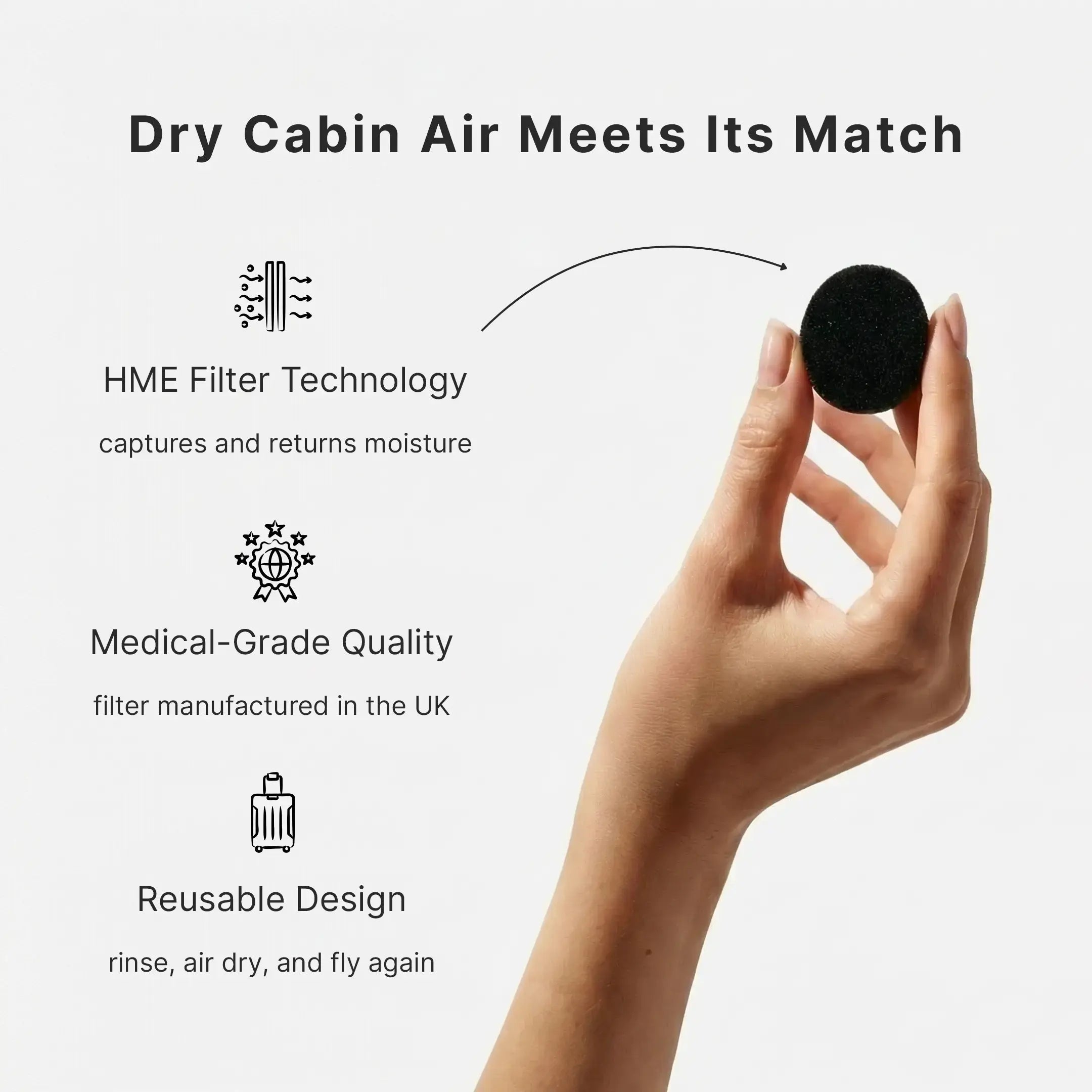
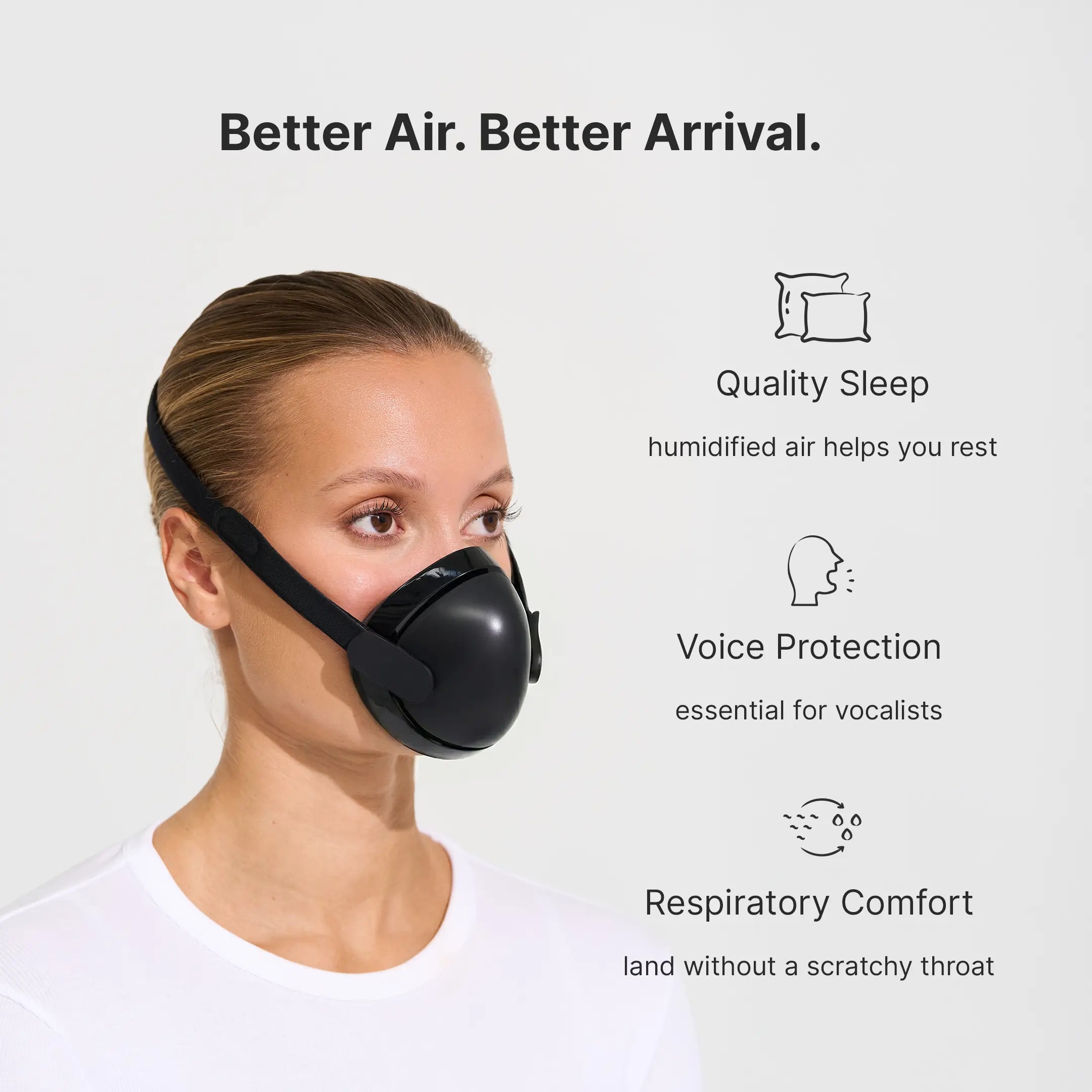
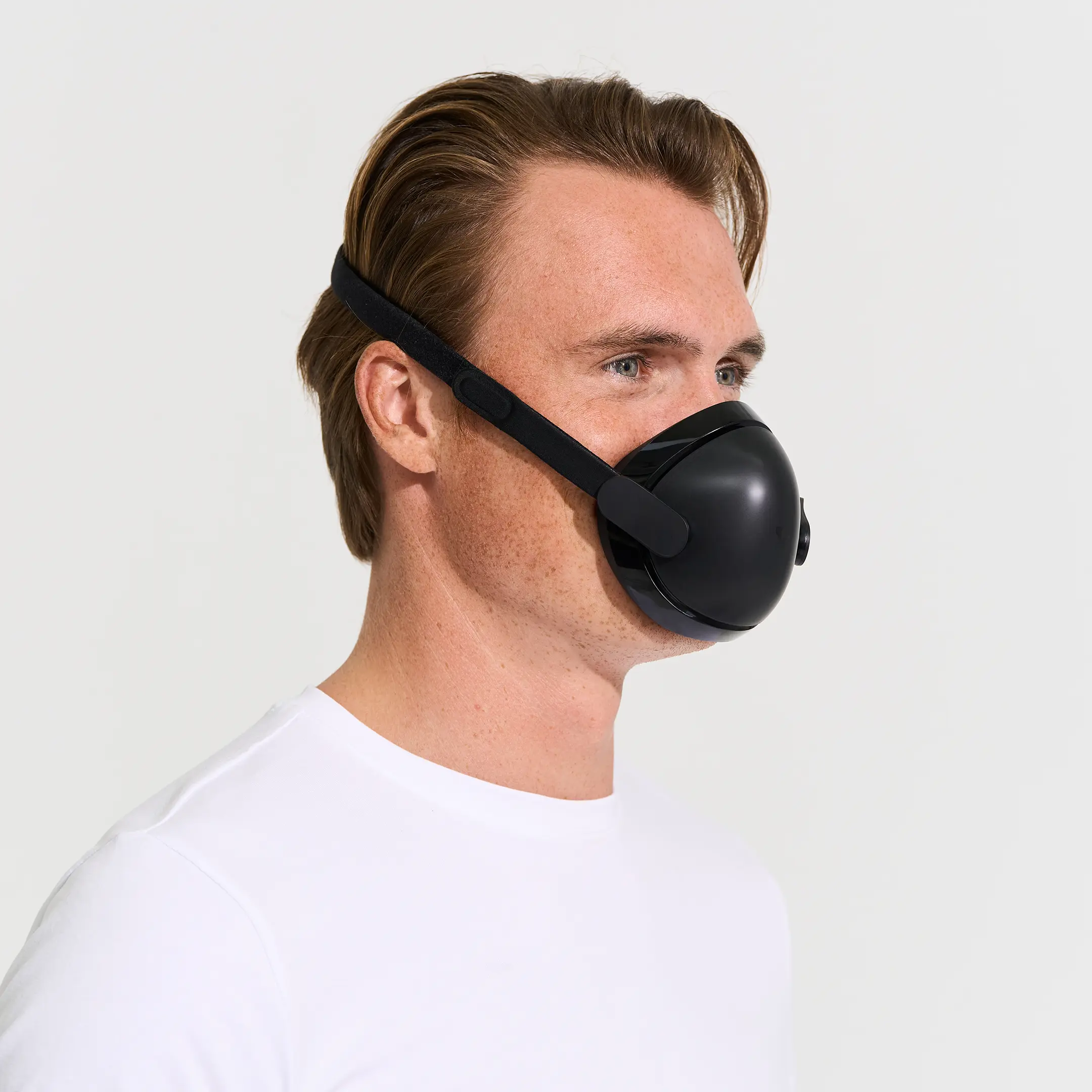
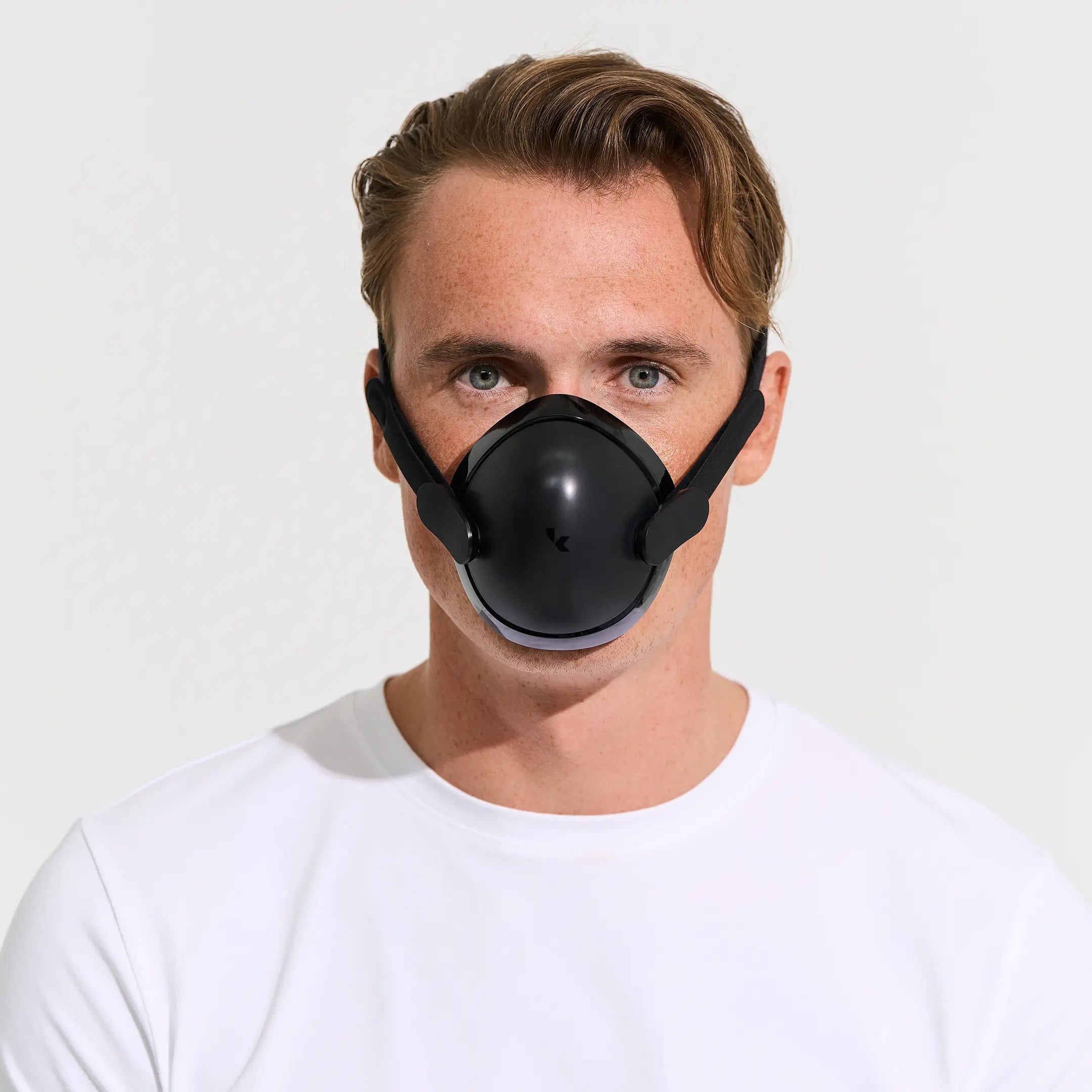
It uses HME technology to capture your exhaled moisture and return it with every breath, keeping your airways hydrated while you sleep on the plane.
You fix the technique in the practice room. Kuvola handles the air.
Katelyn Swiader, MS Ed, explains how dry air affects your vocal folds.


For those who can't risk their voice, energy, or performance.

Hydrated vocal folds
Clear voice with full range
Protected resonance and tone
Vocal stamina

100-Day Money-Back Guarantee → Hydrated comfort, or your money back.

Ships from our warehouse in Sweden
Choisir les options

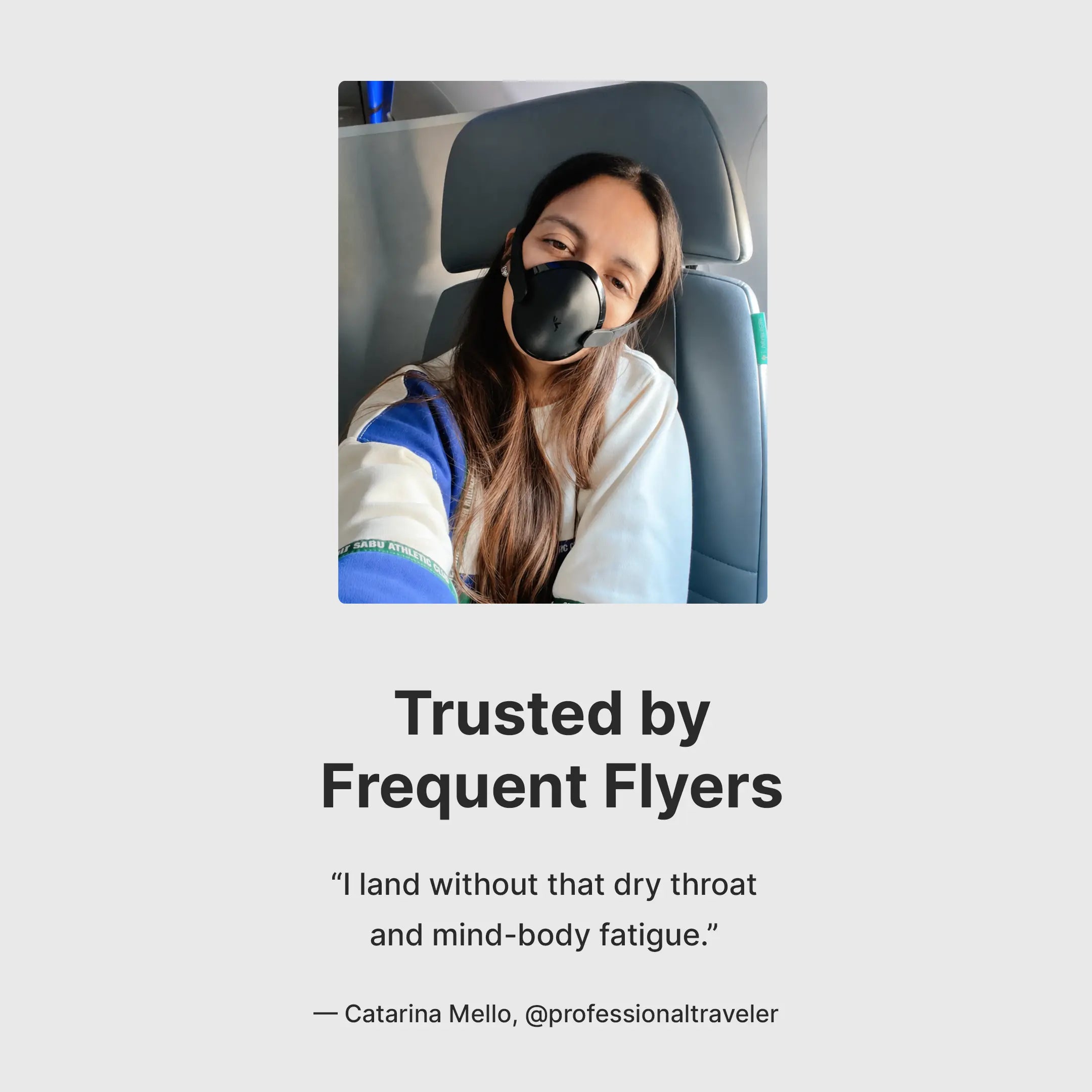
"A performer's best friend."

100-Day Money-Back Guarantee
Hydrates your airways
Maintains the humidity your vocal folds need, even at cruising altitude.
Protects your range
Lower phonation threshold pressure. Your extremes stay accessible.
Works while you sleep
Put it on, recline, breathe naturally. Real hydration meets real rest.
Completes the kit
Your steamer. Your throat coat. Your vocal rest. Now your in-flight air.
Before the flight
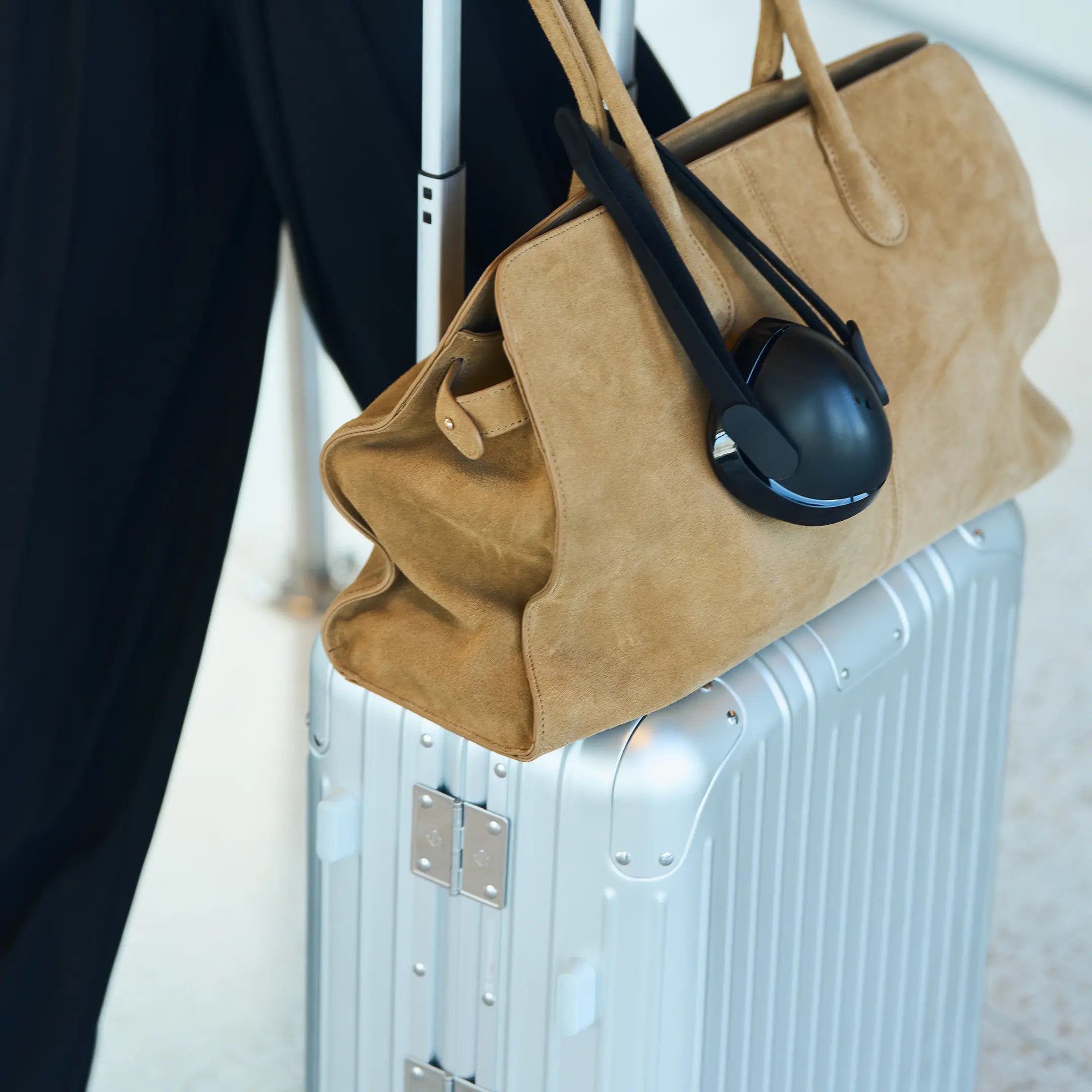
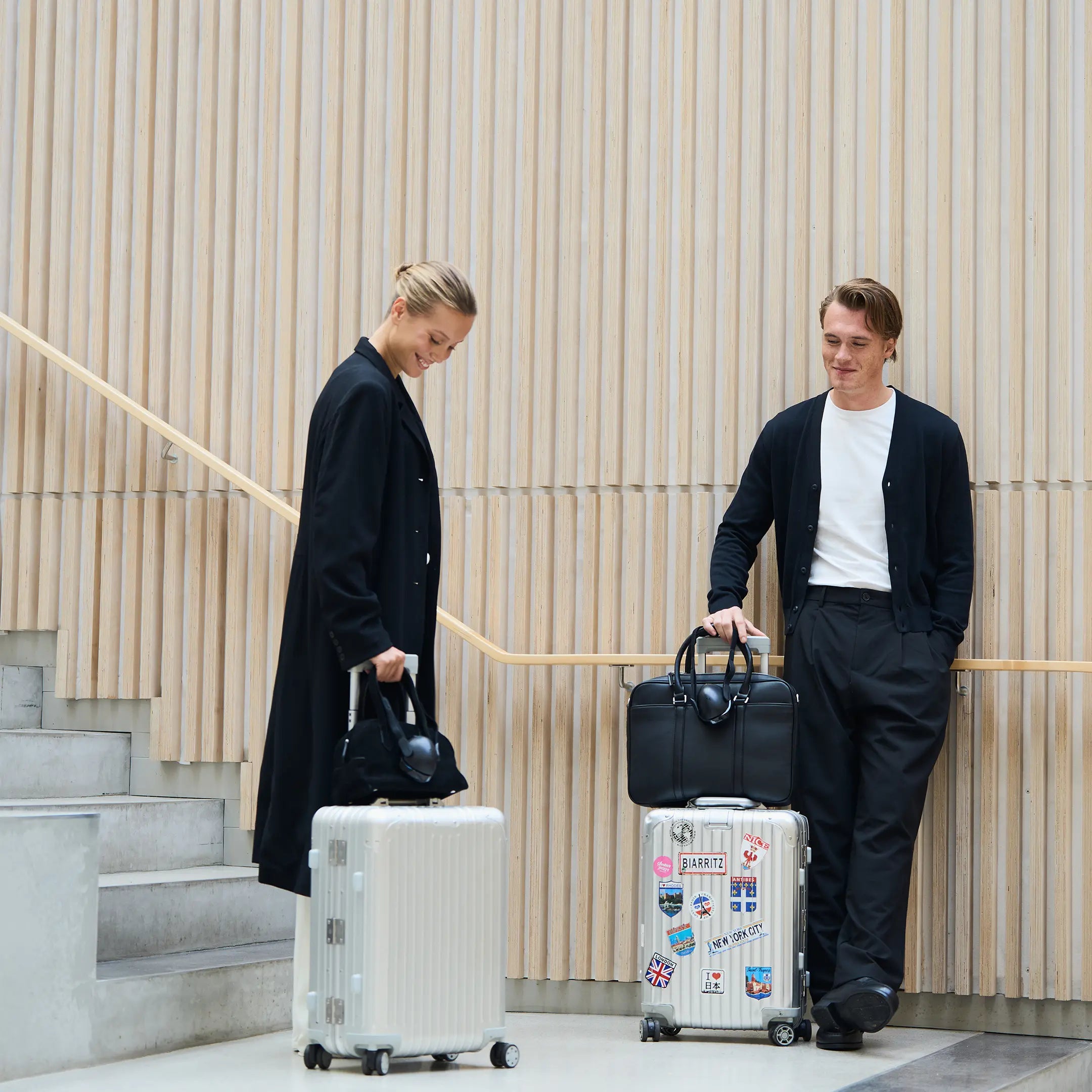
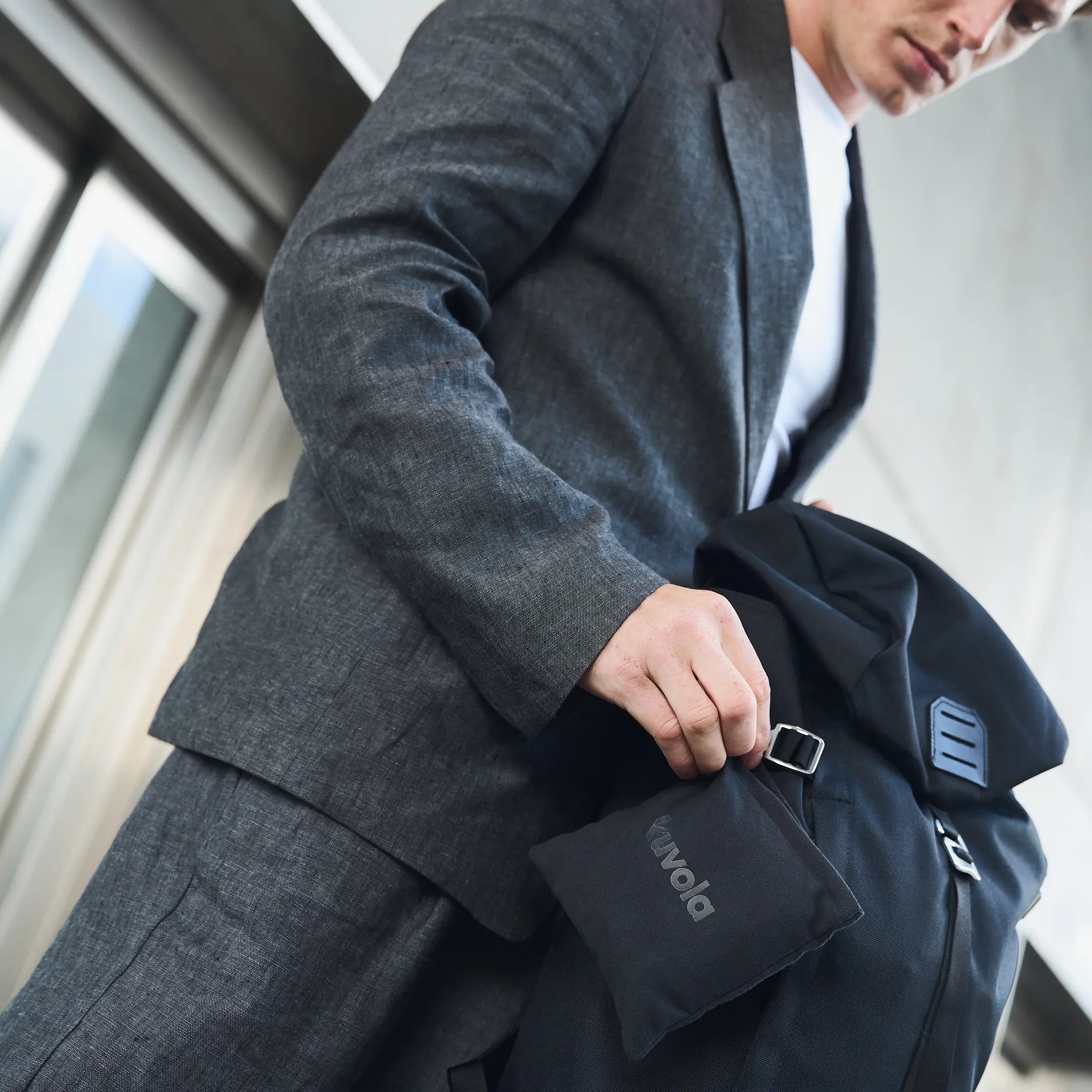
Kuvola goes in next to your steamer and throat coat. One more tool in the travel kit.
During the flight
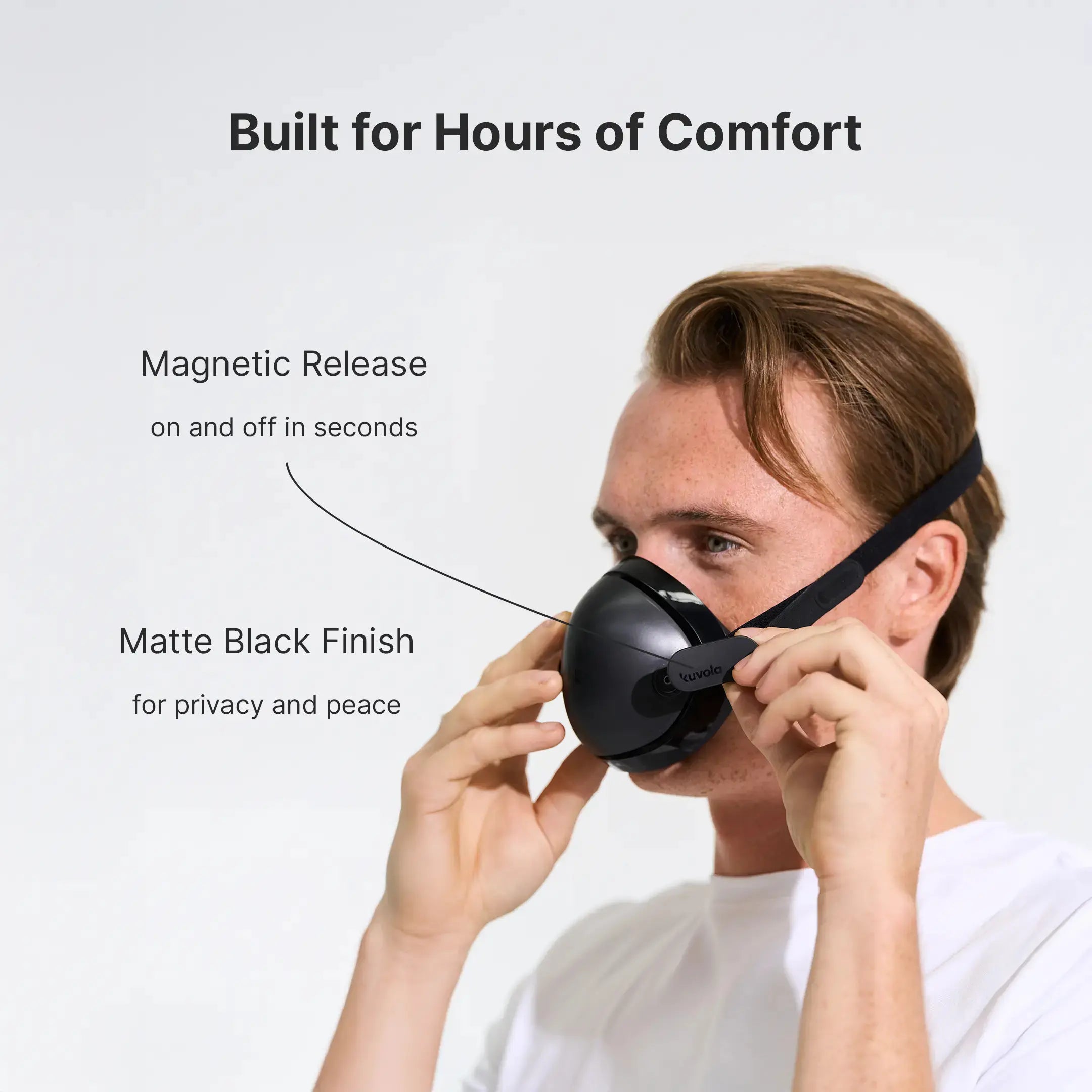
Put it on, recline, close your eyes. The HME filter captures exhaled moisture and returns it with every inhale.
When you arrive
Your voice is where you left it. No extra warm-up time, no lost range, no recovery day.
Curtain up
Same tour. Same long flights. Same demanding schedule. You just stop losing a day of vocal recovery after each one.
How Kuvola fits in
| Kuvola | Drinking water | Portable steamer | Regular mask | |
|---|---|---|---|---|
| Hydrates airway surface directly | ✓ | ✗ Takes 2-4 hours | ✗ Not available in-flight | ✗ Traps stale air |
| Works while sleeping on a plane | ✓ | ✗ | ✗ Needs power and refilling | ✓ Partial |
| No setup or refilling | ✓ | ✗ | ✗ | ✓ |
| Engineered for optimal humidity | ✓ | ✗ | ✓ Room only | ✗ |
| Travel-ready design | ✓ | ✗ N/A | ✗ Bulky | ✗ Medical look |
The cost of not protecting your voice
Every touring season, more names join the list. Canceled tours or shows after vocal fold injuries.
The vocal coaches and ENTs who treat these injuries circle back to the same recommendation: keep the folds hydrated. Especially when you fly.
Common questions
That helps systemically, but it takes 2-4 hours for water to reach the vocal fold surface. Kuvola works directly on the air you breathe, hydrating your airways in real time. They work together.
Kuvola isn't a replacement for your steamer. It covers the gap your steamer can't: the 6-12 hours on a plane when you have no access to steam, no power, and no way to set up. Your steamer handles the dressing room. Kuvola handles the flight.
A regular mask traps some exhaled moisture incidentally. Kuvola uses HME (Heat and Moisture Exchange) technology, manufactured in the UK. The same class used in respiratory care, designed to maintain the humidity range your airways need. Fresh air in, humidified air out.
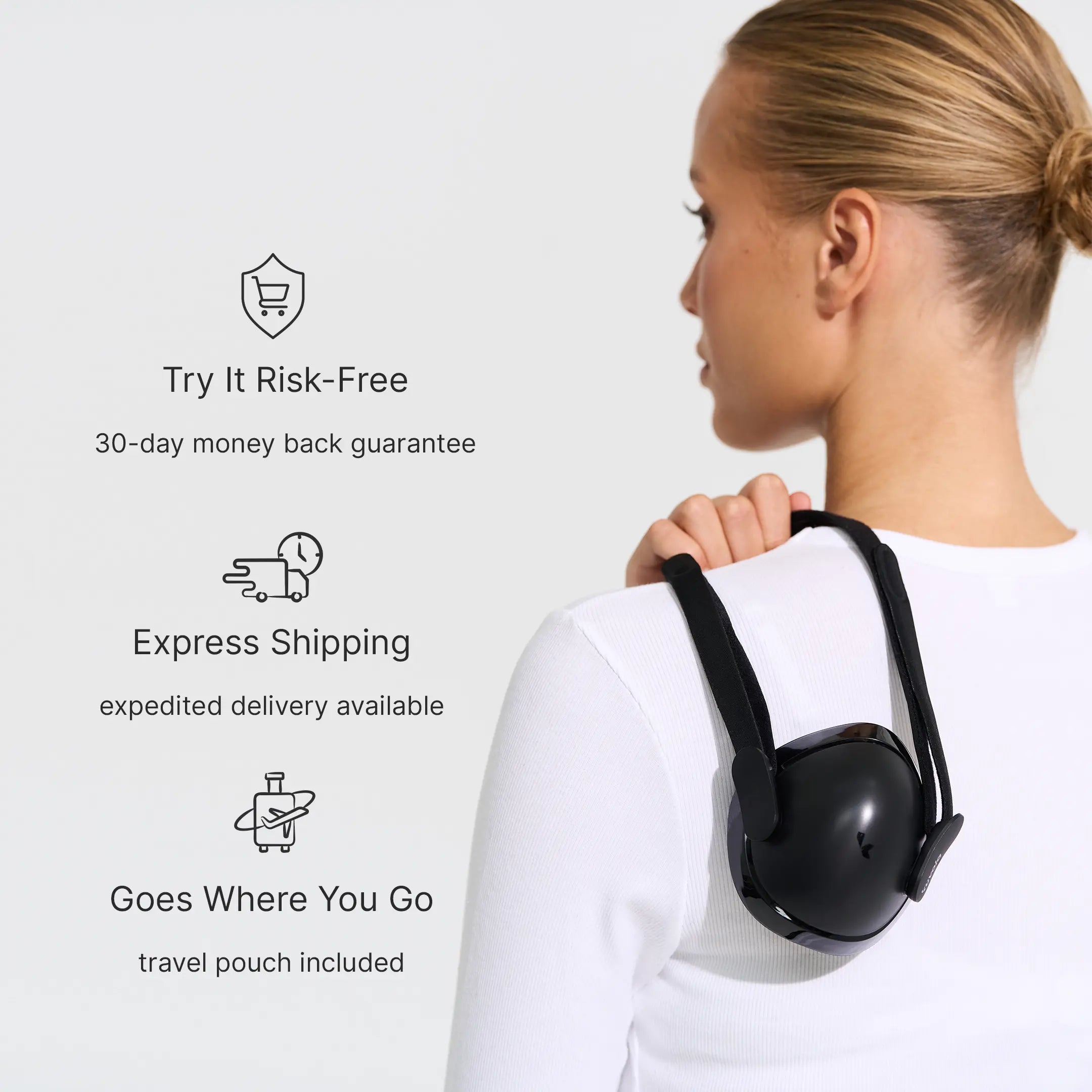
It's a premium travel accessory, designed in Stockholm. More Rimowa than medical supply. It signals that you take your instrument seriously.
Do you fly for auditions? Between tour cities? Home for holidays during a run? Even one dry flight before a Monday show can affect your whole week. And hotel HVAC is just as dry. Kuvola works anywhere the air isn't.

Designed in Sweden
Scandinavian Design.
Universal Comfort.

Fast Delivery
Fast and secure delivery.
No hidden fees or surprises.

Ideal Gift for Travelers
Give a fellow traveler the gift of a comfortable journey.

Top Rated
Trusted by discerning travelers around the world.