Humidificateurs vocaux : ce qu'ils font réellement pour votre voix (et ce qu'ils ne font pas)
Si vous vivez de votre voix — chant, jeu d'acteur, radiodiffusion, coaching — vous l'avez entendu mille fois : buvez plus d'eau. C'est un bon conseil. Mais cela ne résout que la moitié du problème.
Vos cordes vocales se situent derrière des voies respiratoires fermées. Rien de ce que vous avalez ne les touche. L'eau pénètre dans votre circulation sanguine et finit, au bout d'une à trois heures, par atteindre vos tissus grâce à l'hydratation systémique. Mais la fine couche de mucus qui recouvre vos cordes vocales — cette couche qui leur permet de vibrer en douceur et sans effort — s'assèche à cause de l'air que vous respirez. Pas de l'intérieur.
Un humidificateur vocal traite directement la surface.

À quoi sert réellement un humidificateur vocal
Un humidificateur vocal ajoute de l'humidité à l'air avant qu'il n'atteigne vos voies respiratoires. Au lieu de respirer de l'air ambiant sec qui aspire l'humidité à la surface de vos cordes vocales à chaque inspiration, vous respirez un air qui contient déjà de la vapeur d'eau.
Il existe deux grands types :
Les humidificateurs de pièce augmentent l'humidité d'un espace entier. Installez-en un dans votre chambre ou votre salle de répétition et laissez-le fonctionner. Les modèles à brume froide utilisent des vibrations ultrasoniques ; les modèles à brume chaude chauffent l'eau pour produire de la vapeur. Les deux sont efficaces. Vous visez une humidité relative de 40 à 50 %, la plage idéale pour le confort de vos voies respiratoires.
Les inhalateurs personnels diffusent de l'air chaud et humidifié directement via un masque ou un embout buccal pendant 10 à 15 minutes. Ils apportent à vos cordes vocales une dose concentrée d'hydratation de surface. Certains modèles utilisent de l'eau distillée, d'autres ajoutent une solution saline.
Un humidificateur de pièce est un outil de fond, idéal pour dormir et pour les longues journées de répétition. Un inhalateur personnel est plus ciblé, à utiliser de préférence avant ou après une utilisation intensive de la voix. À problèmes différents, outils différents.

Ce que dit la recherche
La science sur l'hydratation des cordes vocales s'est précisée au cours des deux dernières décennies. Elle pointe constamment dans une seule direction : l'hydratation de surface est plus importante que ce que la plupart des professionnels de la voix réalisent.
L'air sec augmente de façon mesurable l'effort nécessaire pour parler ou chanter. Sivasankar et Fisher ont publié une étude dans le Journal of Voice (2002) démontrant que seulement 15 minutes de respiration buccale dans des conditions sèches augmentaient la pression de seuil de phonation — la pression d'air minimale nécessaire pour faire vibrer vos cordes vocales. L'air sec oblige votre voix à travailler davantage pour produire le même son.
L'humidification inverse cet effet. Erickson-Levendoski, Sundarrajan et Sivasankar (2014) ont testé ce qui se passe lorsque l'on réhumidifie les voies respiratoires après une déshydratation. Les sujets ont respiré de l'air sec par la bouche pendant deux heures, simulant une utilisation intensive de la voix dans un environnement peu humide. La pression de seuil de phonation a grimpé durant la période sèche. Après un traitement par humidification, elle est redescendue vers le niveau de base.
L'air sec ralentit la première ligne de défense respiratoire de votre corps. Salah et ses collègues (1988) ont mesuré le transport mucociliaire nasal dans différentes conditions d'humidité. À une humidité ambiante normale (40-43 %), le nettoyage prenait environ 12 minutes. Après 30 minutes à respirer de l'air sec, ce délai est passé à plus de 18 minutes. Vos voies respiratoires ralentissent littéralement lorsqu'elles sont sèches.
Et boire de l'eau ne corrige pas la sécheresse de surface. Une étude de 2012 publiée dans Auris Nasus Larynx a révélé que l'hydratation systémique ne restaurait pas la fonction des voies nasales après une exposition à l'air sec. L'humidité perdue par vos voies respiratoires provient des surfaces tissulaires, et le seul moyen efficace de la remplacer est via l'air que vous respirez.
Ce dernier point a tendance à surprendre. Nous supposons qu'hydratation rime avec hydratation. Mais il existe une réelle différence entre ce qui se passe dans votre circulation sanguine et ce qui se passe sur la couche muqueuse d'un millimètre d'épaisseur où vit votre voix.

Qui a le plus besoin d'un humidificateur vocal
Toute personne utilisant sa voix de manière intensive en bénéficiera. Mais certains groupes sont plus exposés.
Les chanteurs et artistes soumettent leurs cordes vocales à une utilisation soutenue et de haute intensité. Des cordes sèches ne vibrent pas aussi librement, ce qui signifie plus d'effort, une fatigue plus rapide et un risque accru de tension. Les musiciens en tournée font également face à des environnements extrêmement changeants : chambres d'hôtel sèches, salles climatisées, vols de nuit.
Les comédiens voix-off et les animateurs travaillent souvent dans des studios climatisés où l'humidité tombe sous les niveaux de confort. Des heures de travail vocal continu dans une humidité de 25 à 30 % font des dégâts silencieux jusqu'à ce que la voix commence à se casser.

Les enseignants et conférenciers parlent pendant des heures dans des salles de classe équipées de chauffage ou de climatisation à air pulsé. Selon une revue de 2017 du Journal of Voice, les enseignants signalent des problèmes vocaux à un taux près de deux fois supérieur à celui de la population générale.
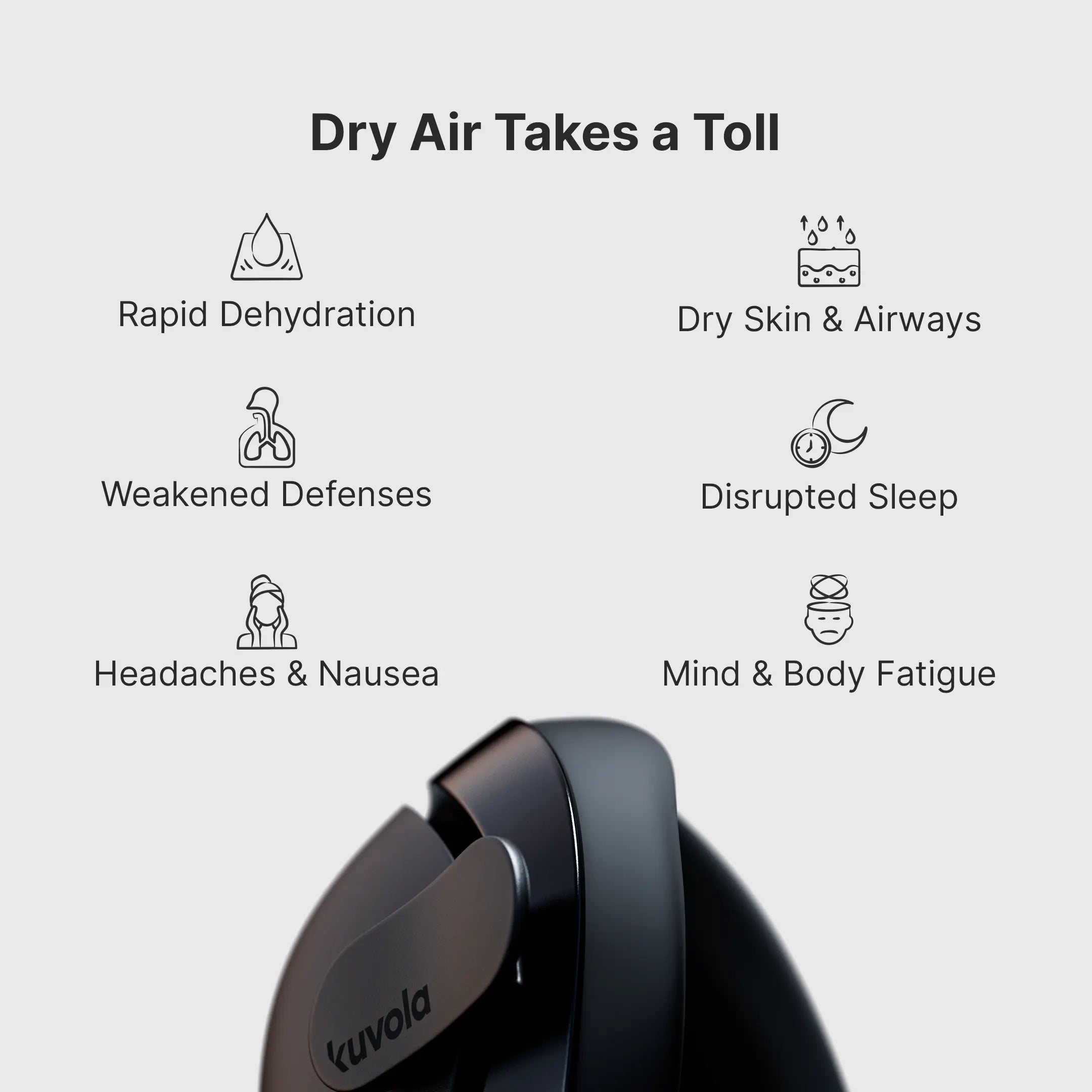
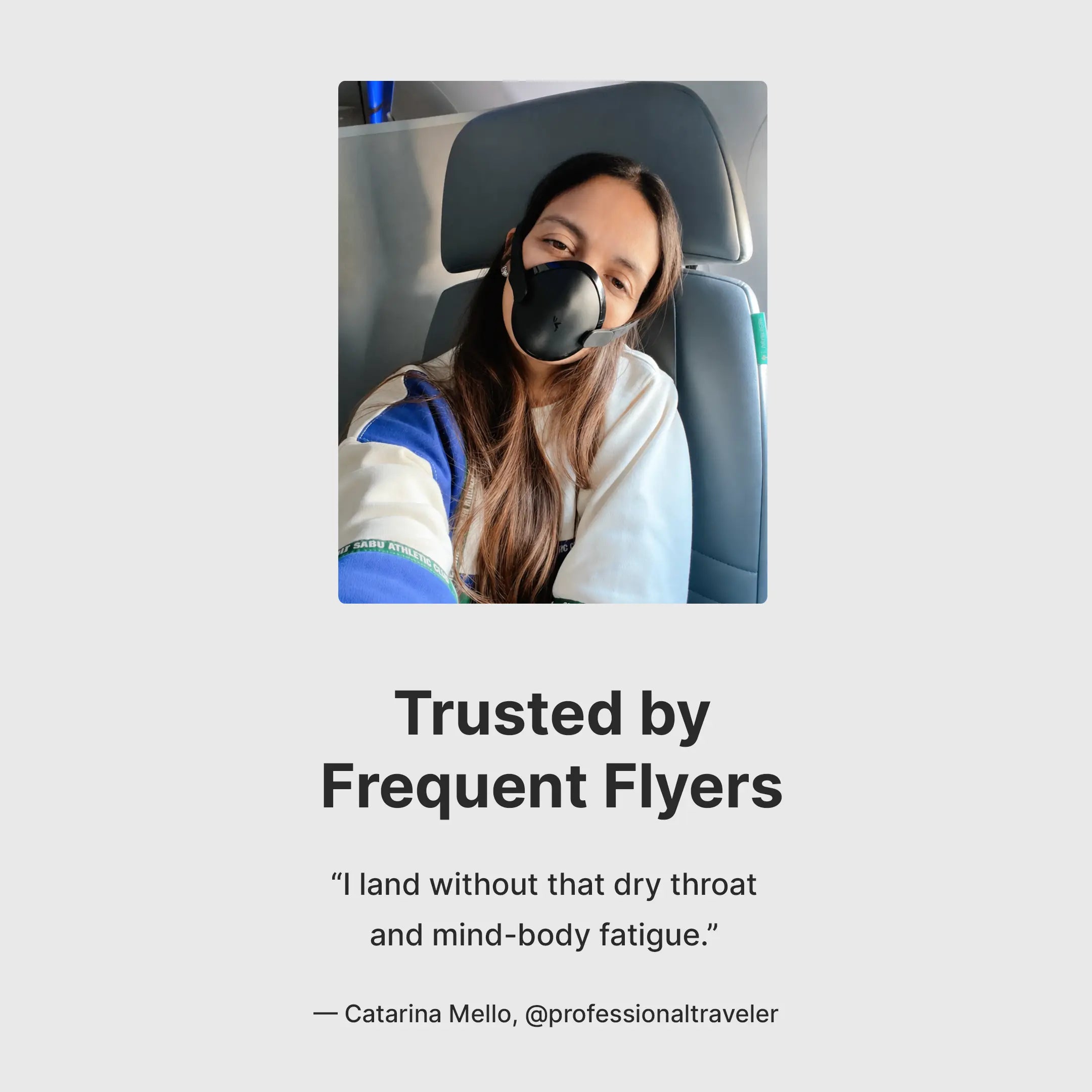
Les grands voyageurs passent des heures dans des cabines d'avion où l'humidité se situe entre 5 et 12 %. Chaque respiration en altitude retire l'humidité de la gorge, du nez et des cordes vocales. Pour un chanteur se rendant à un concert ou un présentateur entamant une journée de conférences, le timing est désastreux.
Comment choisir le bon
Le bon choix dépend de l'endroit où vous avez besoin d'humidité.
Pour votre domicile ou studio : Un humidificateur de pièce à brume froide fonctionne bien pour une utilisation nocturne ou de longues séances de répétition. Choisissez-en un avec un hygromètre intégré pour maintenir la pièce entre 40 et 50 %. Nettoyez-le régulièrement : l'eau stagnante dans le réservoir favorise les moisissures et les bactéries, ce qui crée une série de problèmes respiratoires totalement différents.
Pour la préparation avant performance : Un inhalateur de vapeur personnel offre une hydratation ciblée en 10 à 15 minutes. Les modèles MyPurMist et Vicks sont très populaires auprès des professionnels de la voix. Utilisez de l'eau distillée. Maintenez une température modérée : une vapeur trop chaude provoque une irritation thermique, ce qui va à l'encontre de l'objectif.
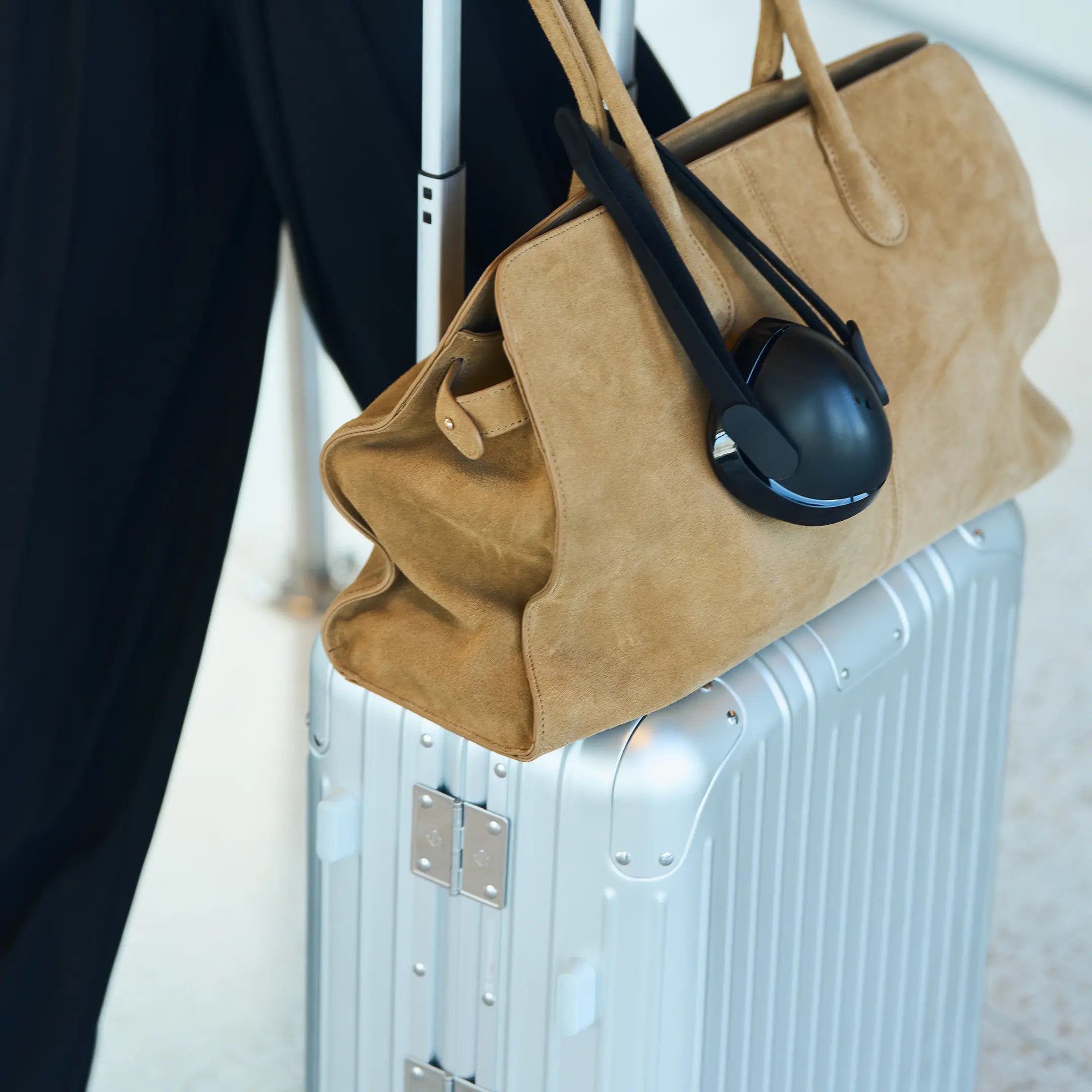
Pour voyager : C'est là que les choses se compliquent. Les humidificateurs de pièce sont encombrants. Les inhalateurs personnels nécessitent de l'eau et une prise électrique. Et l'environnement où votre voix est la plus mise à rude épreuve — la cabine d'avion — est le seul endroit où les humidificateurs traditionnels ne peuvent pas vous suivre.
L'air en cabine a une humidité de 5 à 12 %. Vous y restez assis pendant des heures, respirant un air qui retire l'humidité des surfaces de vos voies respiratoires à chaque inspiration. L'eau du chariot de service aide au niveau systémique, mais la recherche est claire : elle ne traite pas la sécheresse de surface là où la fonction des cordes vocales est affectée.
Emporter l'hydratation vocale dans l'avion
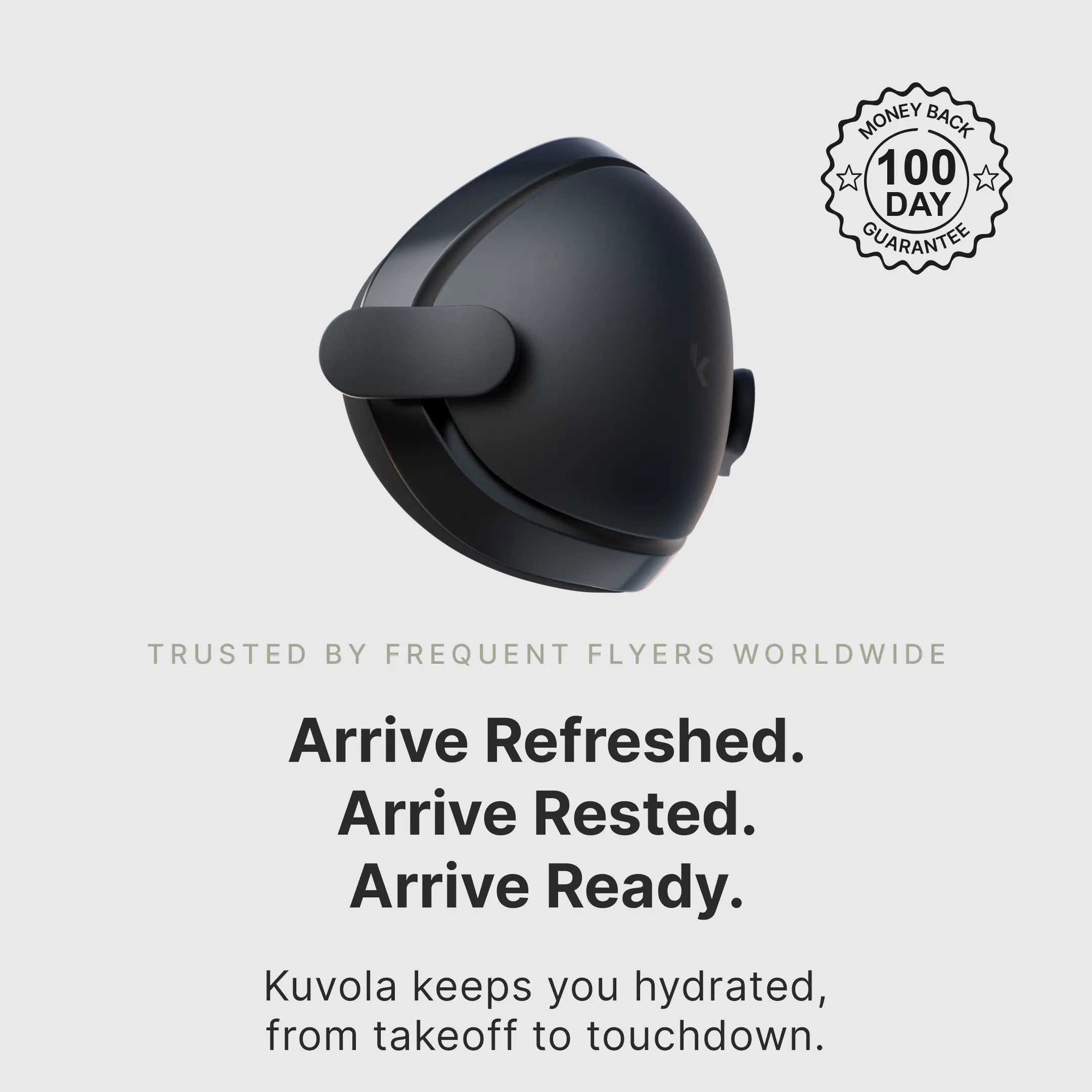
Kuvola a été conçu pour répondre spécifiquement à ce manque.
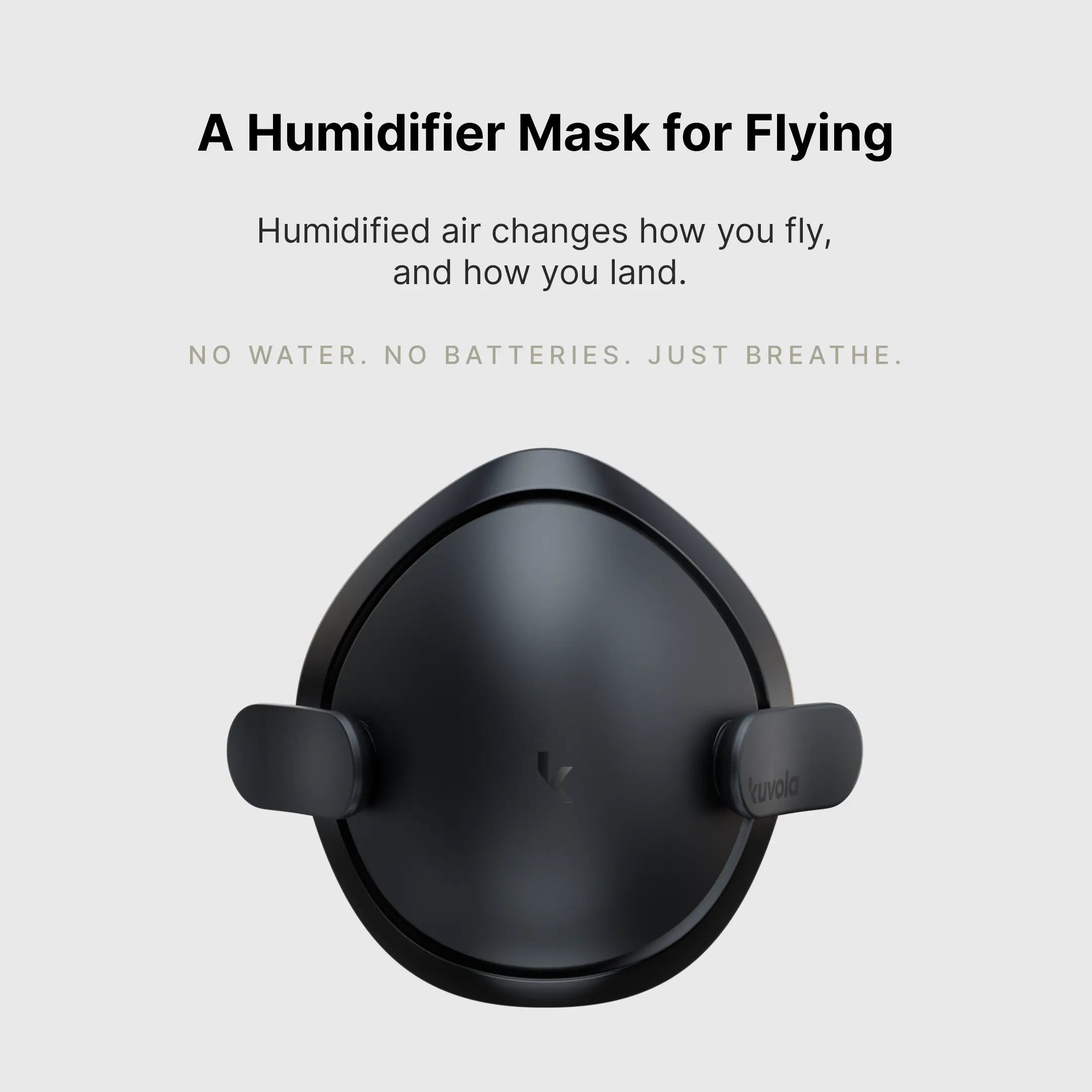
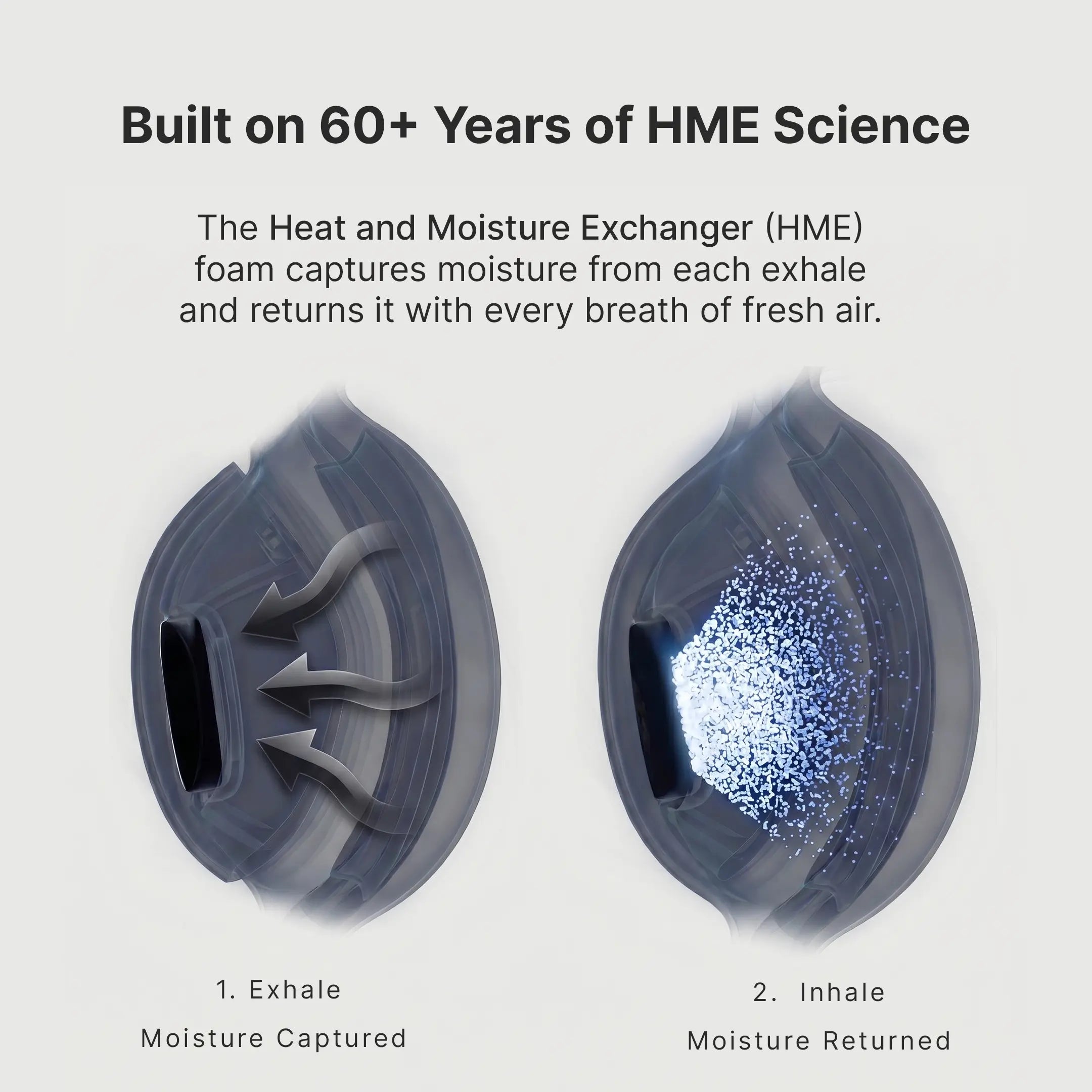
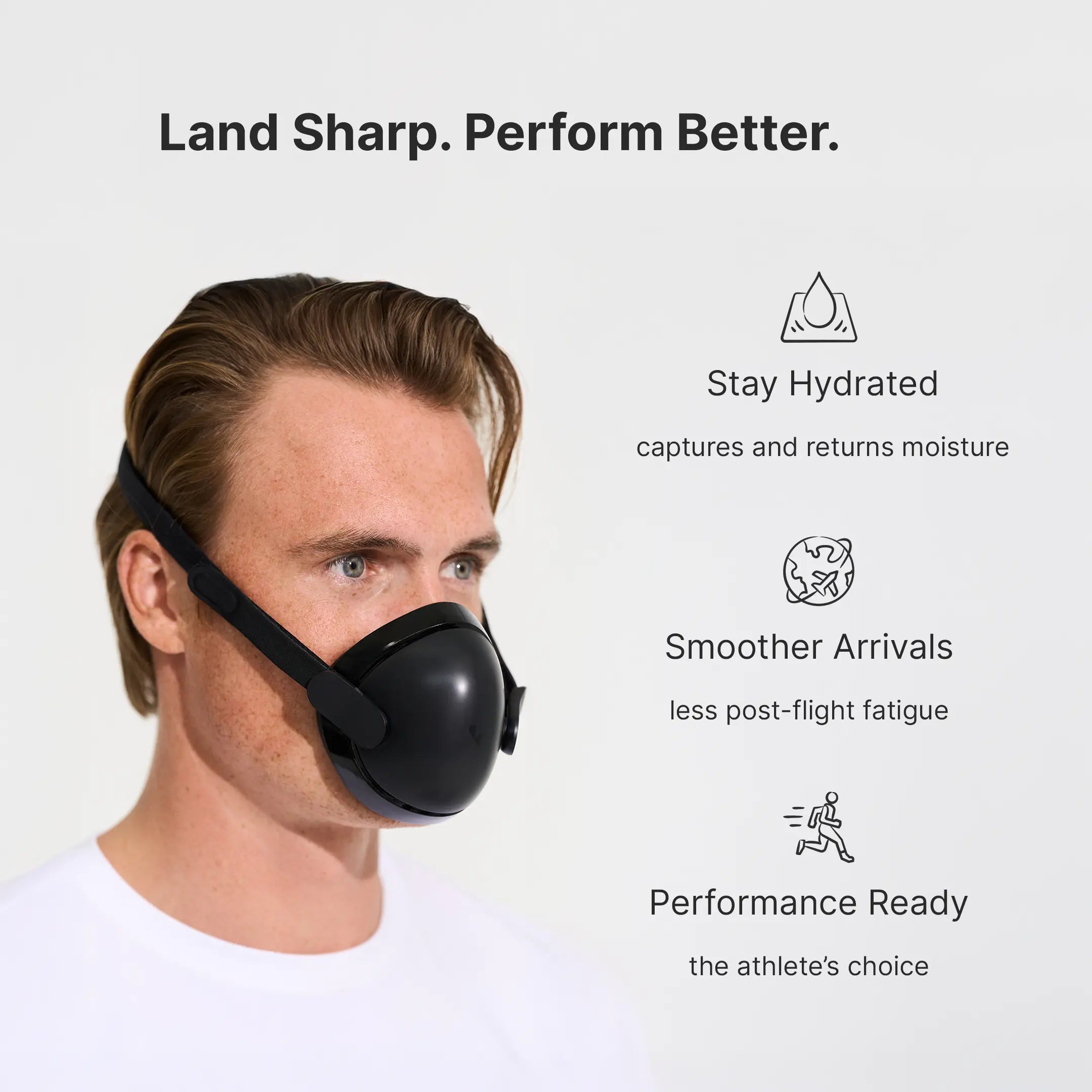
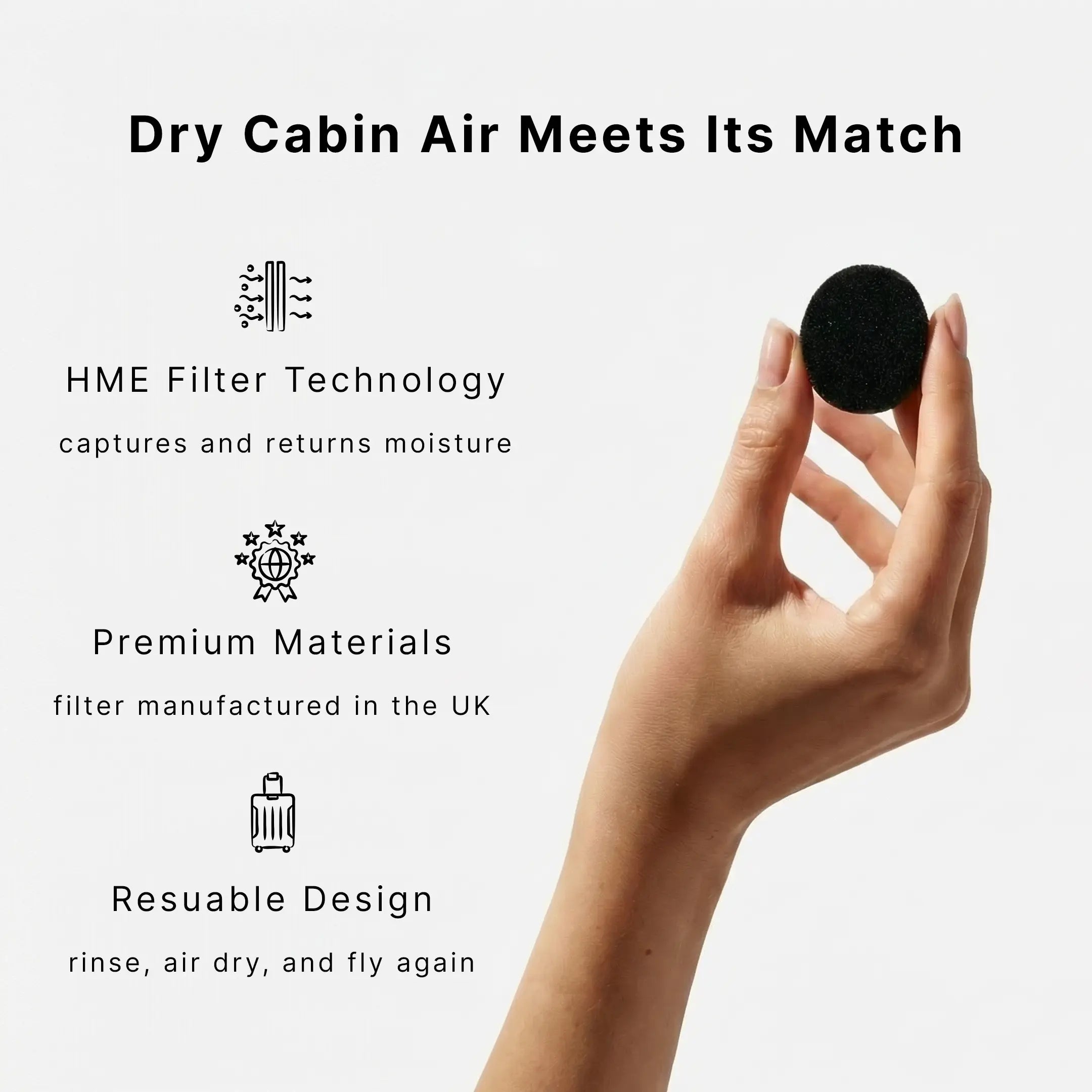
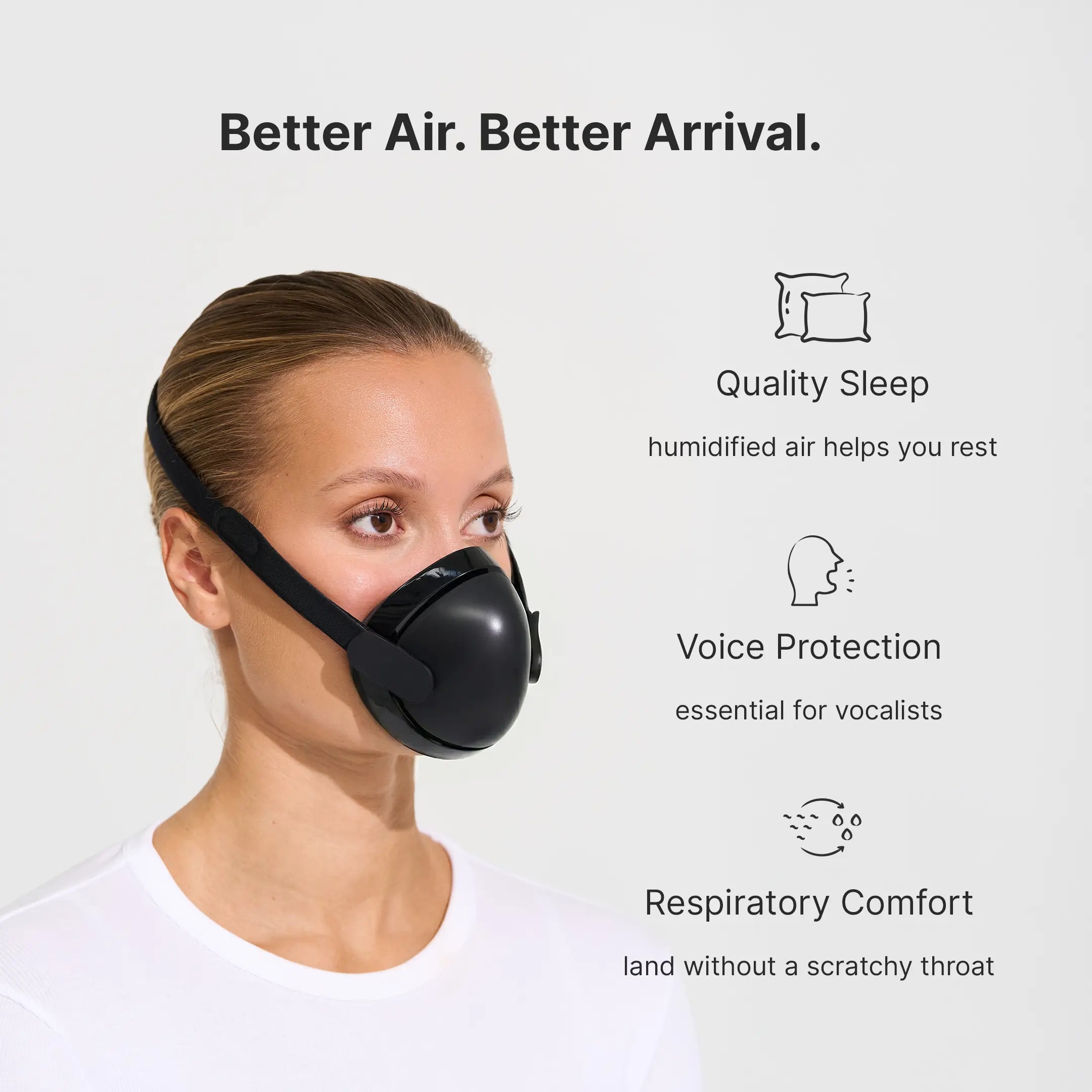
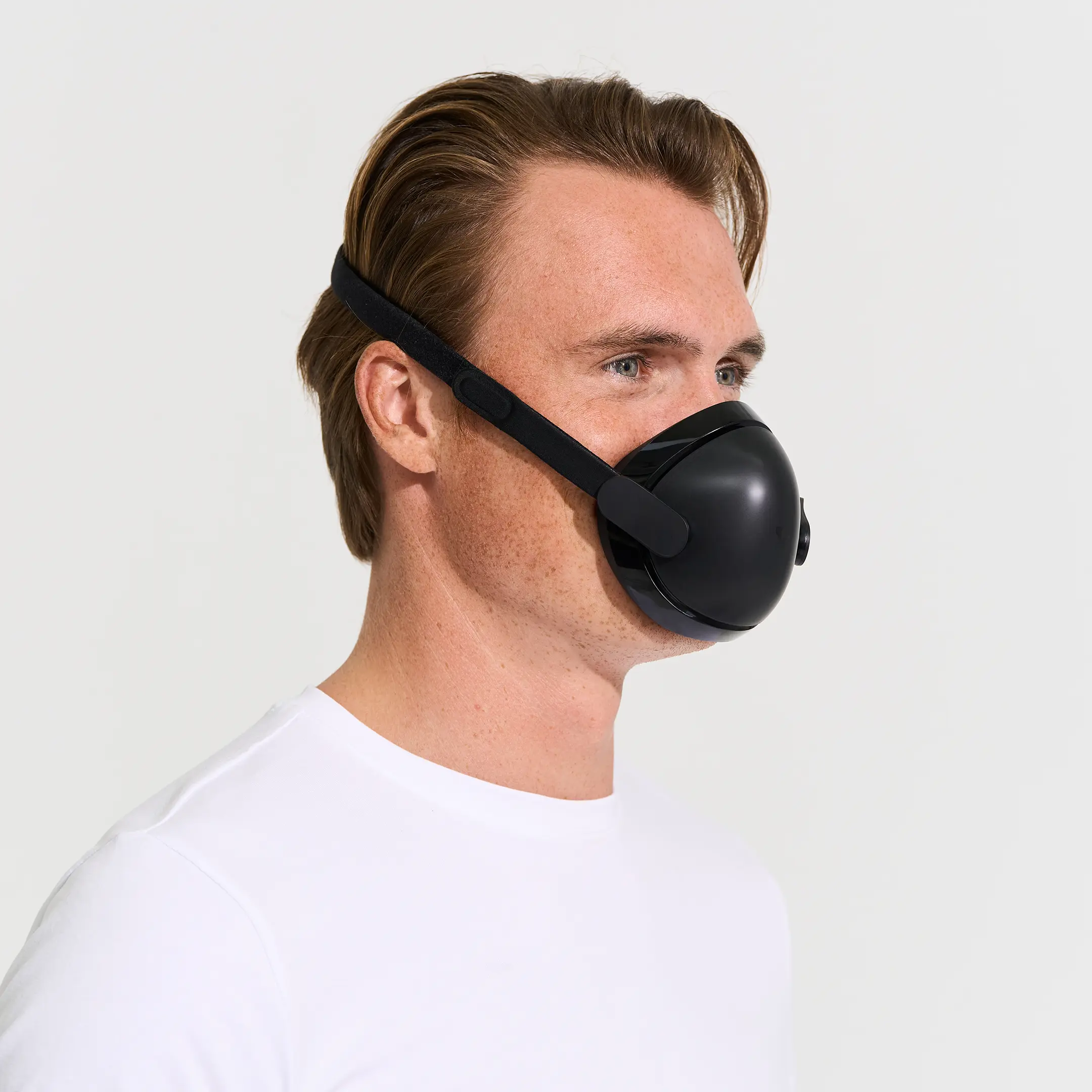
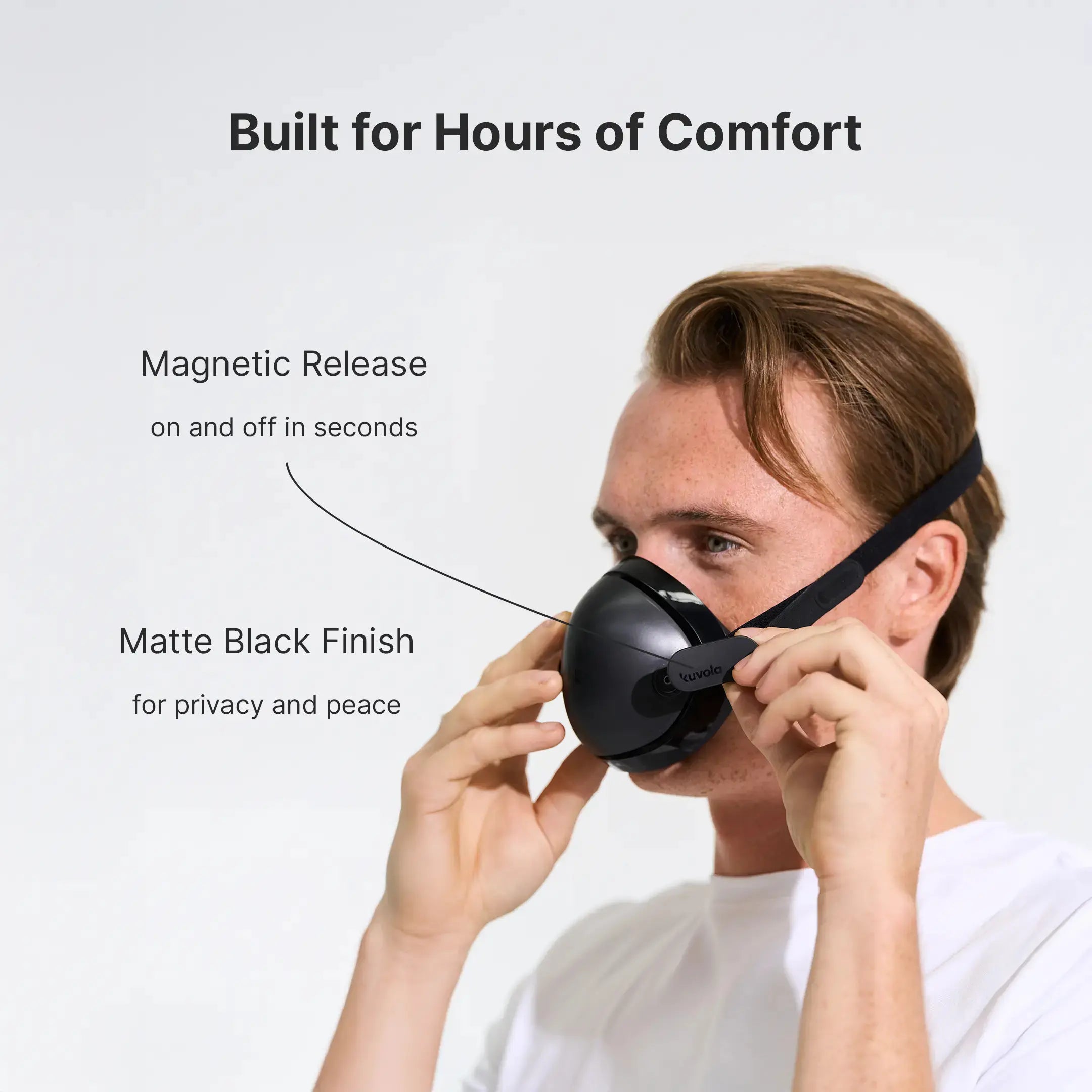
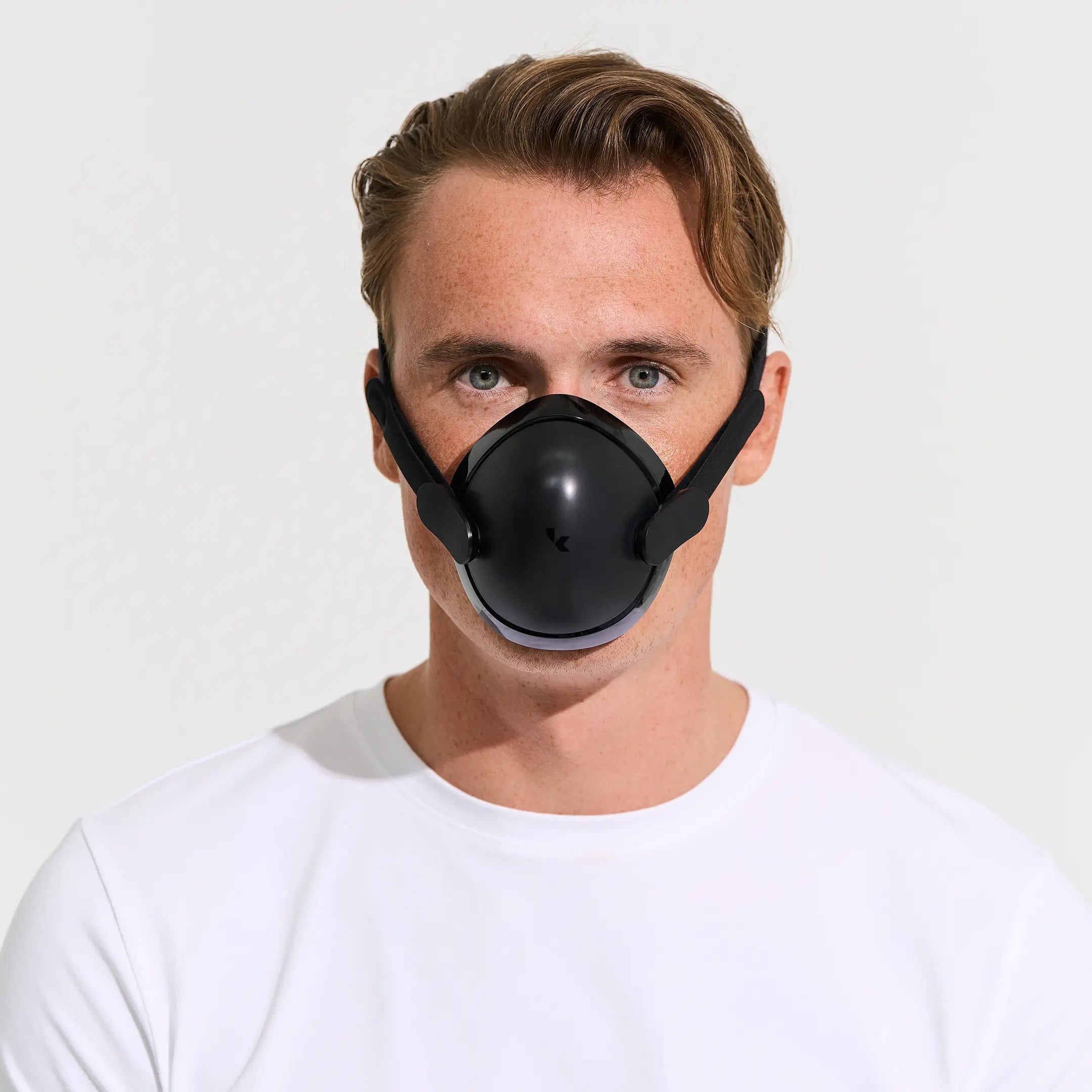
C'est un masque humidificateur conçu pour les voyages en avion. À l'intérieur se trouve un filtre d'échangeur de chaleur et d'humidité (HME) — la même classe de technologie utilisée dans les soins respiratoires hospitaliers — qui capture l'humidité de votre air expiré et la restitue à l'air frais que vous inhalez. Pas de réservoirs d'eau, pas de piles, pas d'électronique.
Pour tous ceux qui dépendent de leur voix, la logique suit la recherche : l'hydratation de surface protège la fonction des cordes vocales, boire de l'eau seule ne l'apporte pas au niveau des voies respiratoires, et un humidificateur de pièce ne peut pas vous accompagner en cabine. Kuvola fonctionne passivement pendant que vous vous reposez, de sorte que vous atterrissiez avec des voies respiratoires en meilleur état que si vous les aviez laissées à l'air de la cabine.
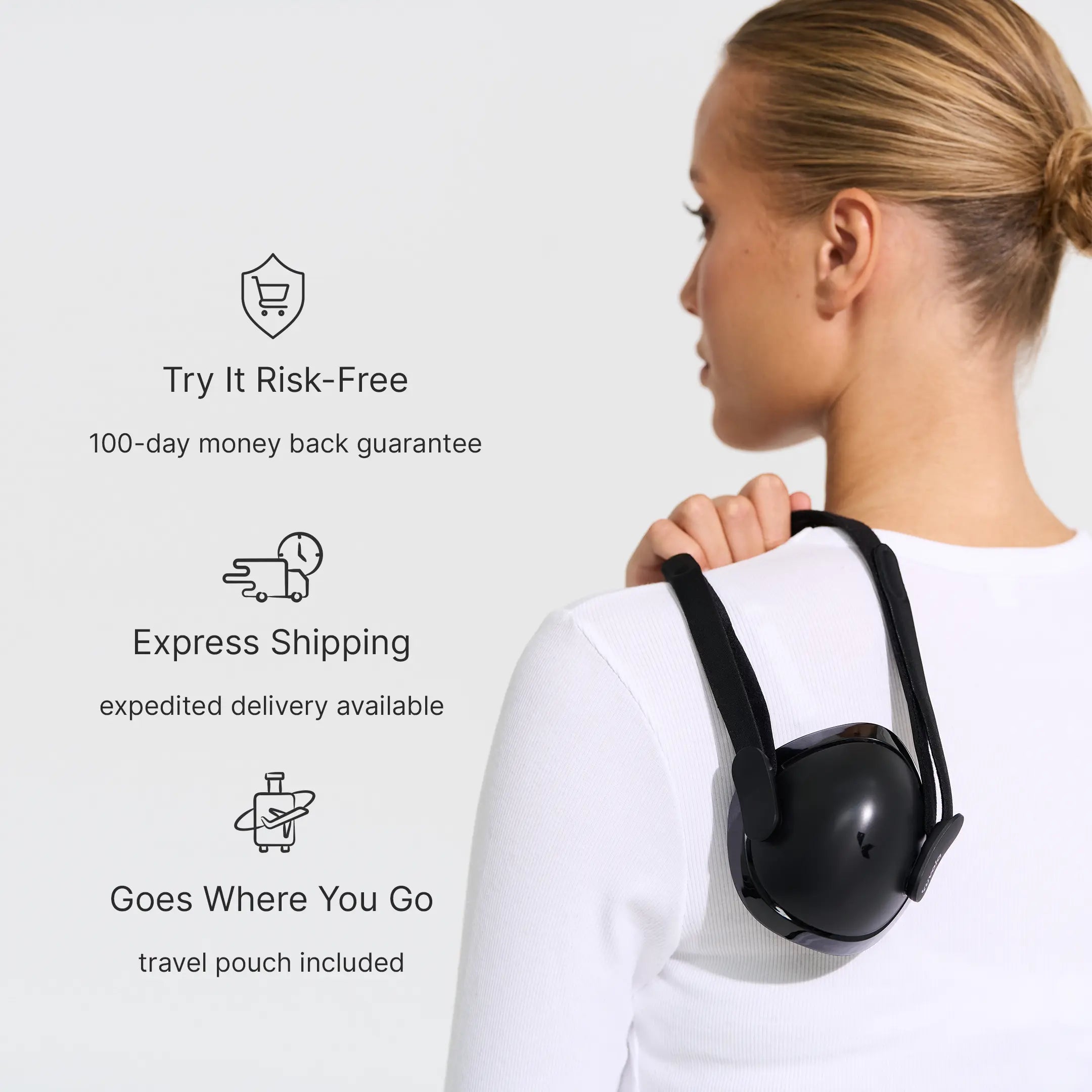
Il ne remplace pas votre humidificateur domestique ou votre routine d'inhalation avant spectacle. Il comble le vide que ces outils ne peuvent atteindre : les heures dans l'air sec de la cabine entre le décollage et l'atterrissage.
En résumé
L'hydratation de surface et l'hydratation systémique sont deux choses différentes. La recherche est constante : la couche d'humidité sur vos cordes vocales s'assèche à cause de l'air que vous respirez, et l'air humidifié est le moyen le plus direct de la protéger.
Si vous possédez déjà un humidificateur de pièce et un inhalateur, vous couvrez deux environnements sur trois : la maison et la salle de spectacle. Le troisième, le voyage en avion, reste la lacune que la plupart des professionnels de la voix laissent ouverte.
Sources :
- Sivasankar, M. & Fisher, K.V. (2002). Oral airway drying and phonation threshold pressure in healthy speakers. Journal of Voice, 16(2), 172–181.
- Erickson-Levendoski, E., Sundarrajan, A., & Sivasankar, M. (2014). Reducing the negative vocal effects of superficial laryngeal dehydration with humidification. Annals of Otology, Rhinology & Laryngology, 123(9), 631–636.
- Salah, B., et al. (1988). Nasal mucociliary transport in healthy subjects is slower when breathing dry air. European Respiratory Journal, 1(9), 852–855.
- Auris Nasus Larynx (2012). Effects of systemic hydration on nasal airway function after dry air exposure.