Vegas Throat: The Vocal Coach's Playbook for Singing in the Driest City in America
What Is Vegas Throat?
If you've played a Vegas run and woken up the next morning sounding like you smoked a pack of Marlboros in your sleep, you've met Vegas Throat.

It's the industry nickname for what happens when trained vocal folds meet Mojave air. The average relative humidity in Las Vegas sits at 20–40%. In New York and LA, you're looking at 60–80%. Your instrument was calibrated in one climate and is being asked to perform in another — and it will let you know within a day.
This is not a rookie problem. In 2001, U2 quietly skipped Las Vegas on the Elevation tour because the dry air wrecked Bono's throat. Jon Bon Jovi wrote backstage humidifiers into his contract rider before playing the MGM Grand Garden Arena. Céline Dion's team spent roughly $2 million installing a humidification system at the Colosseum at Caesars Palace that kept a 55% humidity bubble around her while she performed for years. Barry Manilow, Natalie Cole, and Kevin James have all requested humidifiers in their dressing rooms at Paris Las Vegas. The problem is physiological, and it hits the professionals hardest because at that level, the tolerance for a compromised voice is zero.

Singing in Low Humidity: What's Actually Happening to Your Voice
Vocal folds are living tissue coated in a thin layer of mucus. That layer is what lets them vibrate cleanly at 200–1,000+ Hz without shredding themselves. When you breathe air below 40% humidity for hours, the layer thins. The folds swell slightly. Pitch friction increases. Onsets get rougher. You start pushing to compensate — which is exactly how a two-week run becomes a canceled show.
Dr. Sharon Frank of Ear, Nose and Throat Specialists of Nevada has described Vegas Throat as “a condition of a chronically hoarse-sounding voice, like that gravel voice you get.” The clinical picture: post-nasal drip, constant throat-clearing, scratchiness, and a voice that sounds a full generation older than it did in soundcheck the day before.

Can low humidity affect your singing voice? Yes — measurably, within hours of exposure. And it compounds every night you stay.
Related Article: How the Kuvola humidifier mask works
The Critical Mistakes That Make It Worse
Most singers arriving in Vegas reach for the wrong things. Leave these in your kit bag:
- Caffeine before the show. Coffee, espresso, energy drinks — all diuretics. You'll pull water out of the exact tissue you're trying to protect.
- Alcohol. Same problem, worse. One glass of wine after the last show is fine. Three drinks in a green room at 2am is not.
- Menthol lozenges (Halls, Ricola Cool). Menthol feels soothing because it triggers cold receptors. It adds no moisture, and the tingle masks the fatigue signals your folds are trying to send you.
- Benzocaine sprays (Chloraseptic and similar). These numb the throat. A numb throat is a dangerous throat. You will oversing, and you won't know until the damage is done.
- Alcohol-based throat sprays. Read the label. Anything with “ethanol” or “alcohol” in the first three ingredients is a desiccant dressed up as a remedy.
- Whispering to save your voice. Whispering is more traumatic to the folds than speaking normally. Text the group chat instead.
The Performance Playbook: How to Hydrate Vocal Cords Fast on a Vegas Run
Here's the working checklist for a pro flying in for a residency, a one-off, or a festival slot.
48 hours out
- Start systemic hydration. Half your body weight in ounces of water per day, minimum. Add electrolytes — plain water alone will run through you.
- Cut alcohol entirely. You can drink after the last show.
- Sleep with a cool-mist humidifier running. Most hotel rooms sit at 15–20% humidity. Front desks at the major properties will send one up if you ask.
Show day
- Steam inhalation. A 15-minute personal steam session in the morning and again 90 minutes before doors. This is the single fastest way to hydrate vocal cords fast — moisture goes directly to the folds, no swallowing required.
- Saline nebulizer. A sterile saline nebulizer (0.9%) is what ENTs actually prescribe. It's not the same as steam. It delivers aerosolized moisture past the pharynx and directly onto the vocal fold surface. If you're serious about a run, own one.
- Nasal breathing. Your nose is a humidifier. Breathe through it as much as possible — in the cab, in the elevator, backstage. Mouth-breathing dry air is what kills you.
- Glycerin- or pectin-based lozenges (Grether's Pastilles, slippery elm). These coat and lubricate. Menthol does not.
- Water at room temperature, sipped, not gulped. Ice water constricts.
In-flight and door-to-door

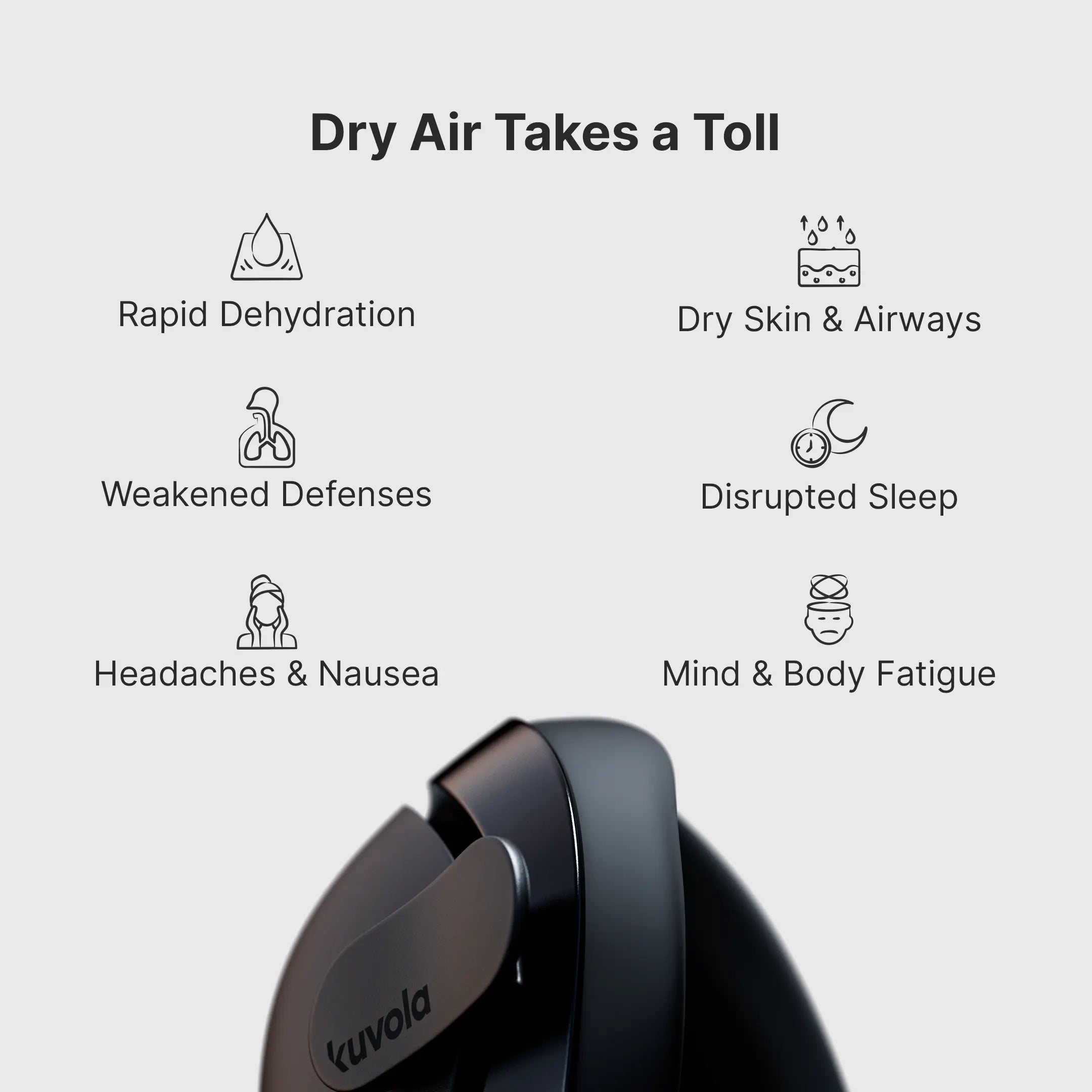
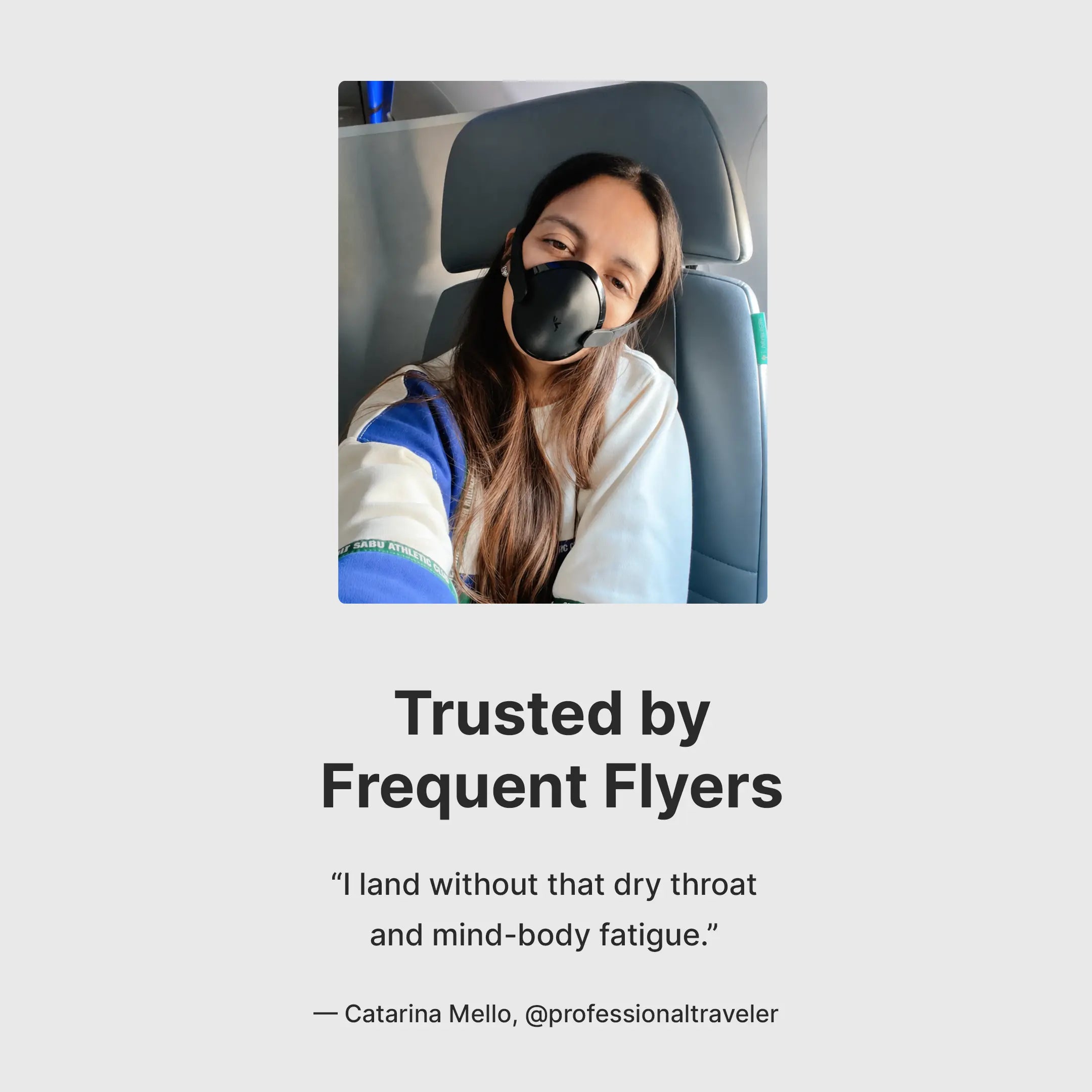
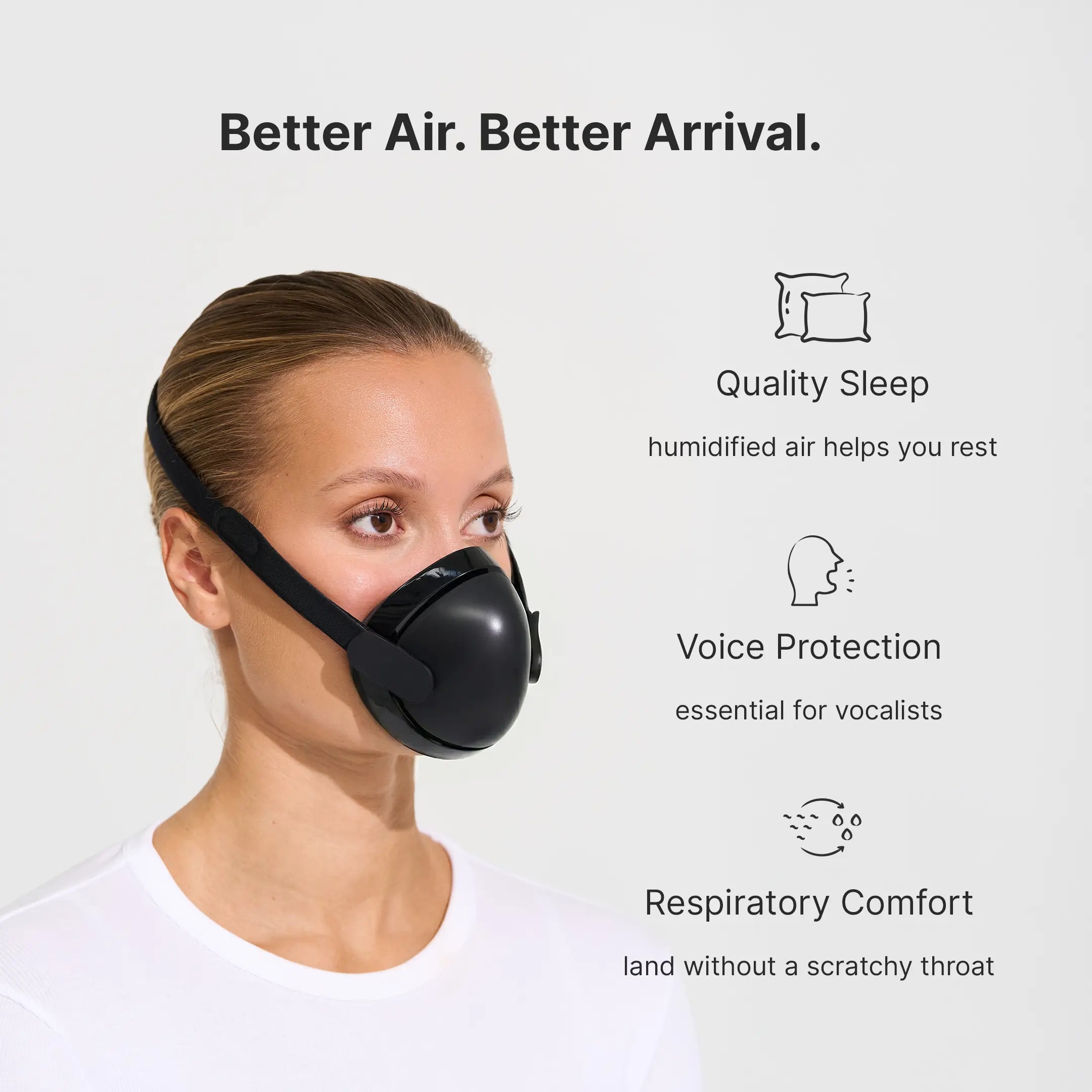
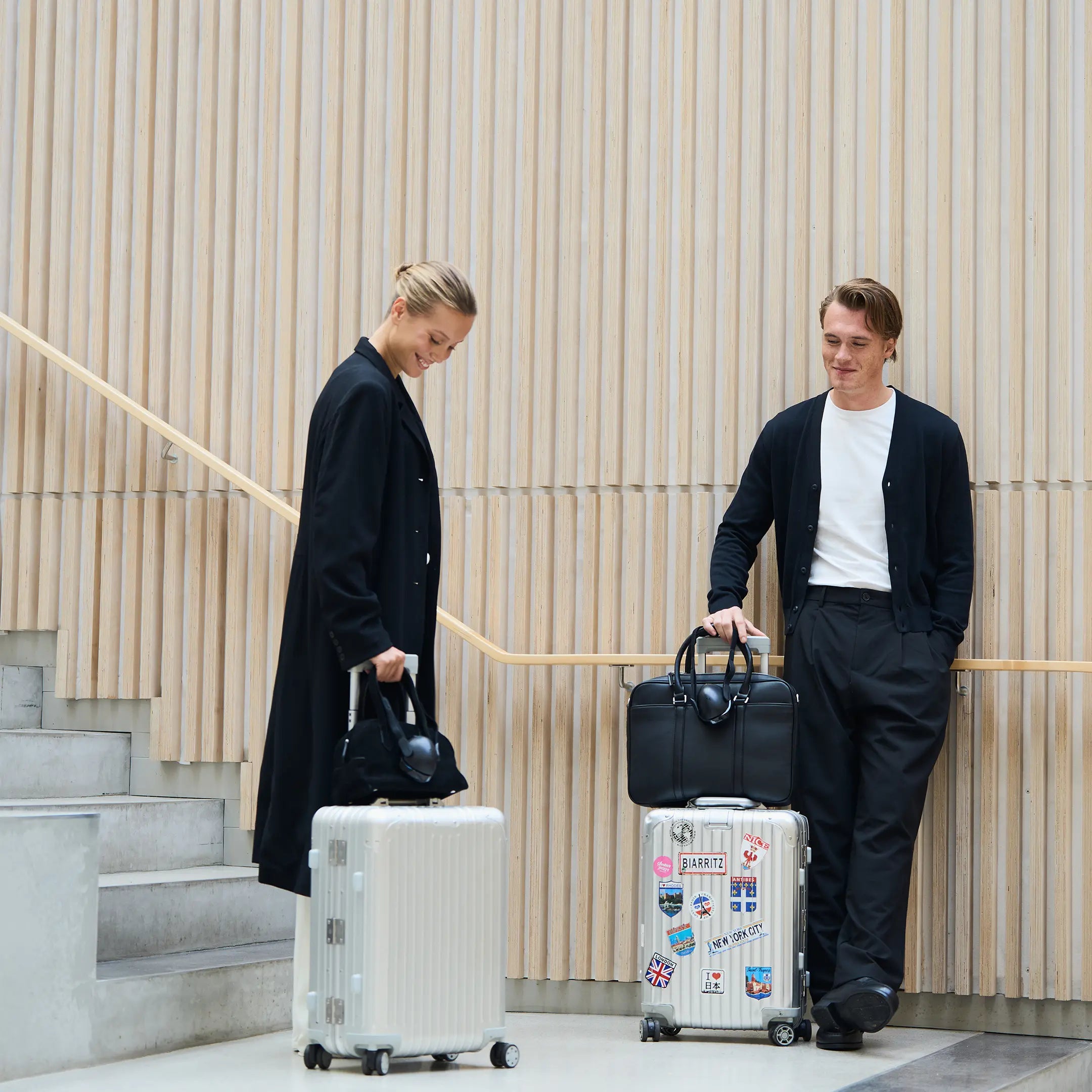
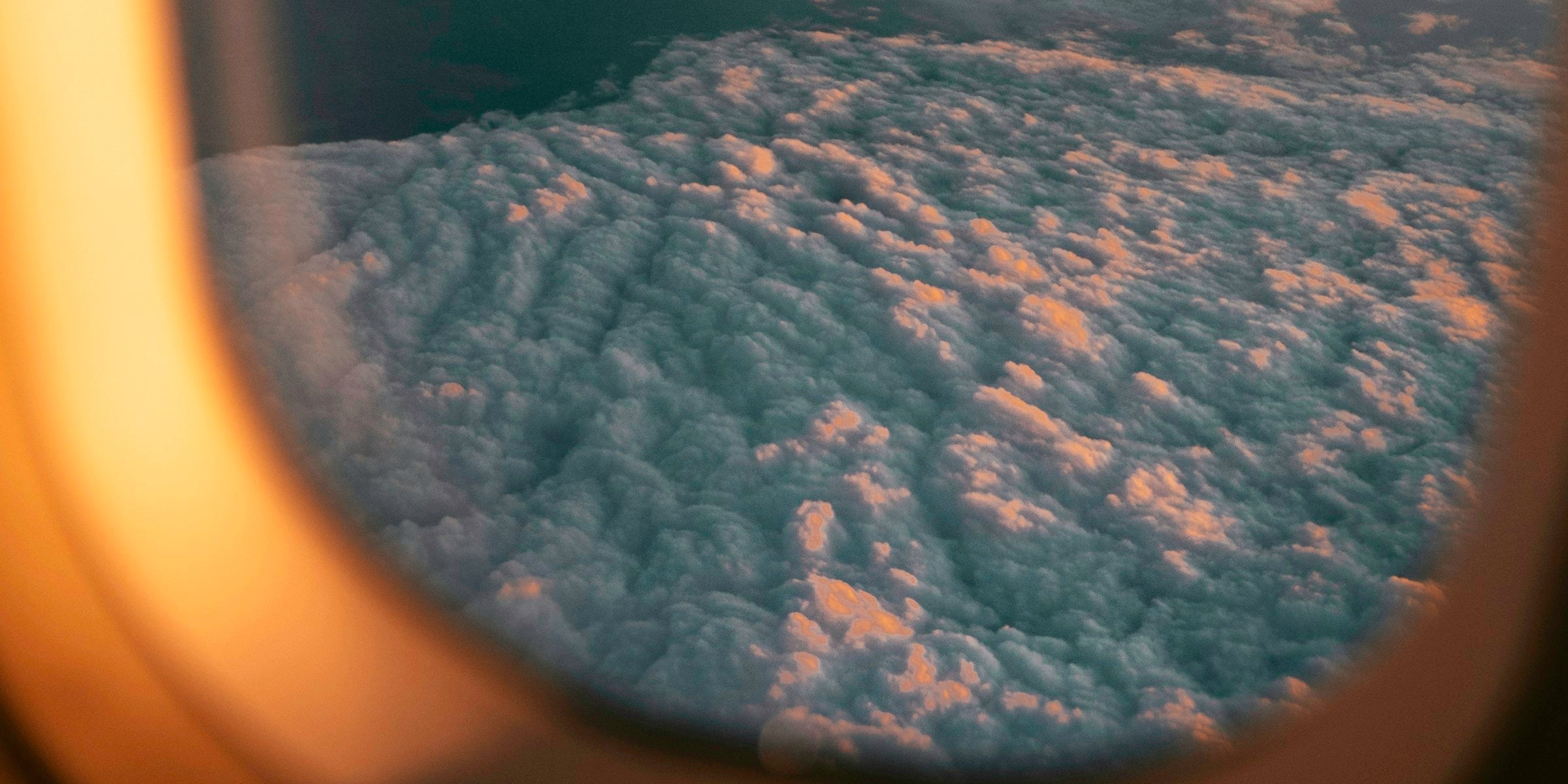
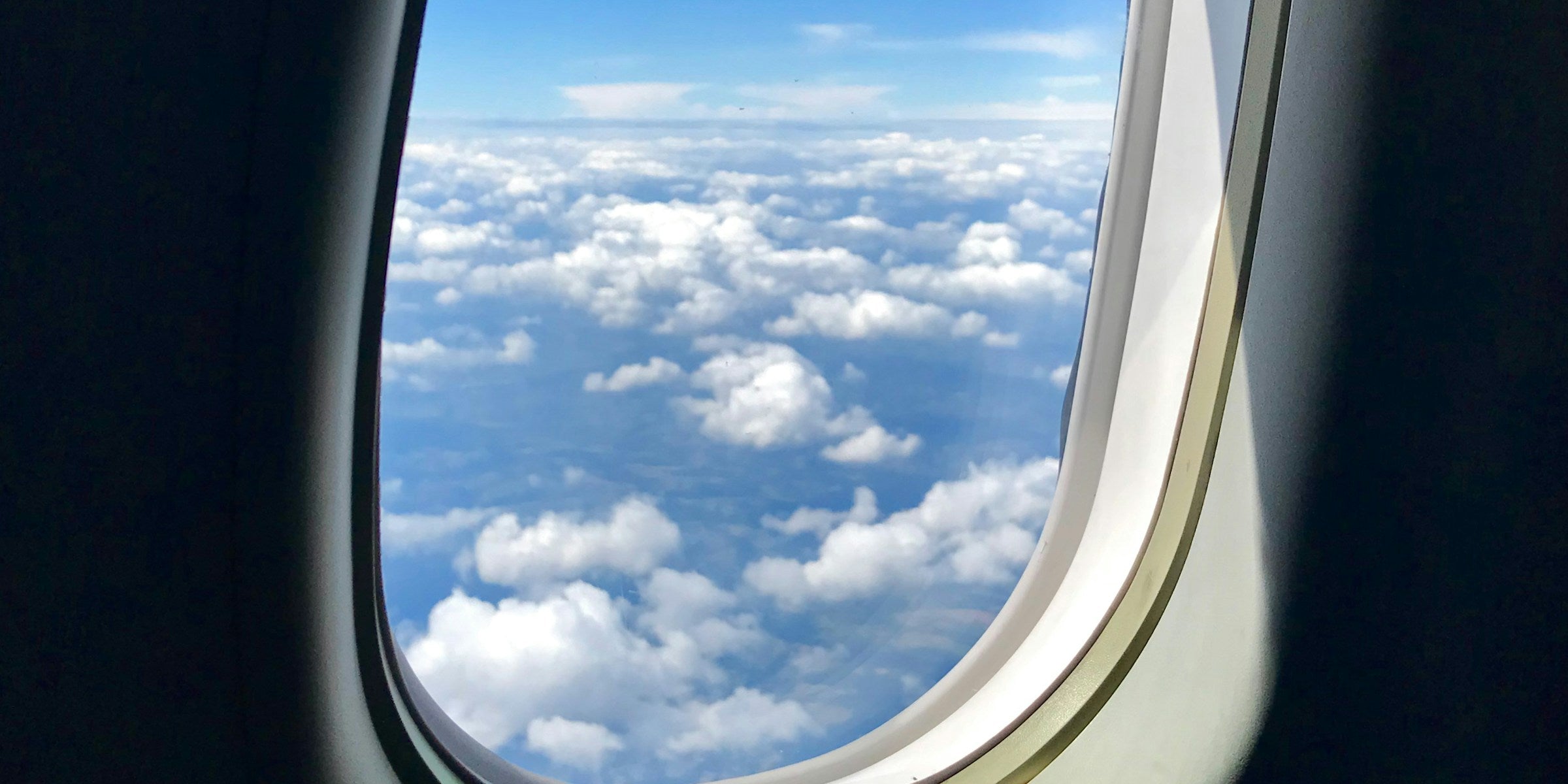
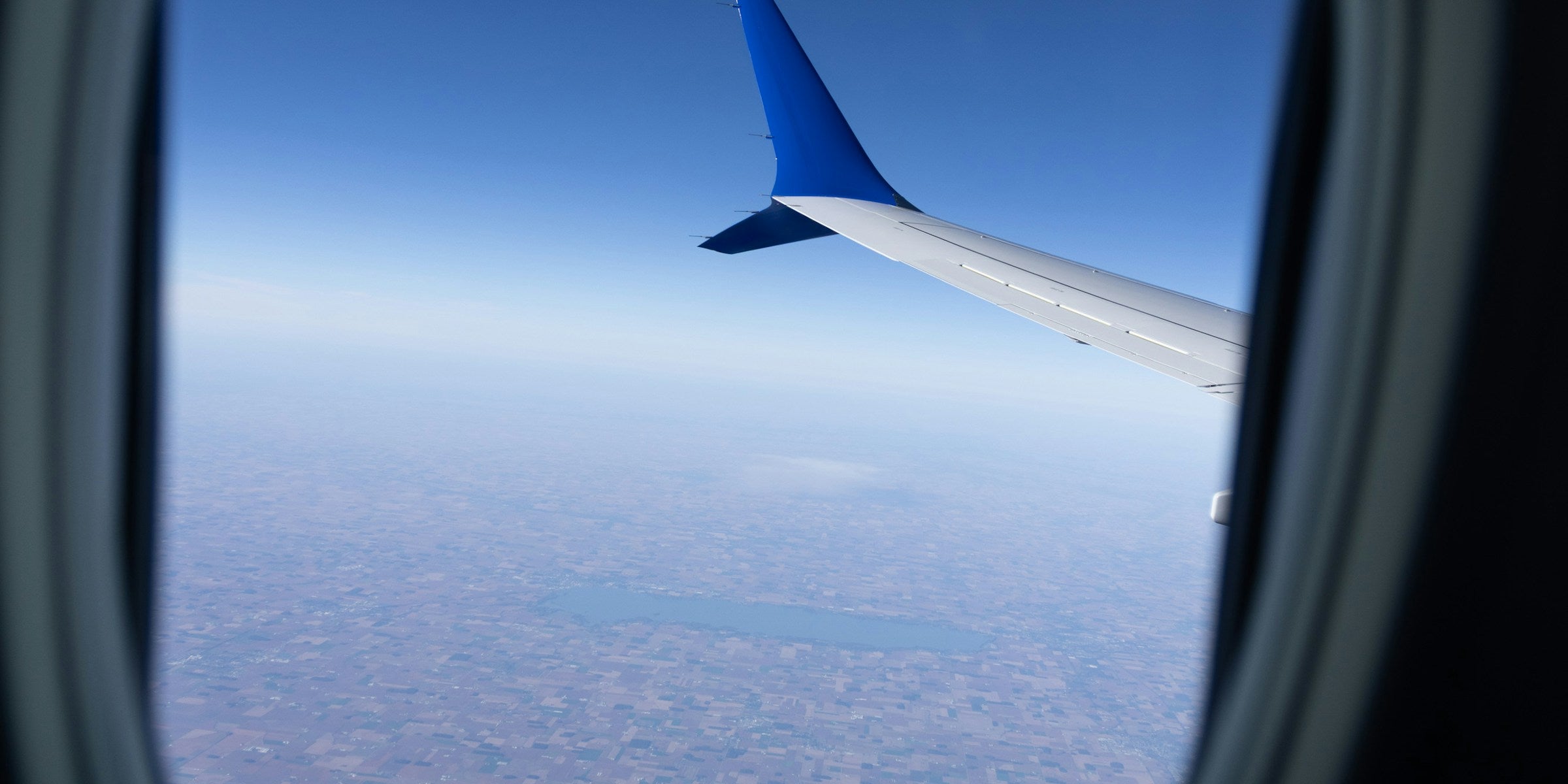
This is where most singers lose the fight before they've even landed. Cabin humidity at cruising altitude sits between 5% and 12% — drier than the Sahara. A five-hour flight to Harry Reid International can undo a week of prep. Wearing a Kuvola mask on the flight in — and in the cab from the airport — is the piece of the routine most working singers are still missing.
The Best Throat Spray for Singers Isn't a Spray at All
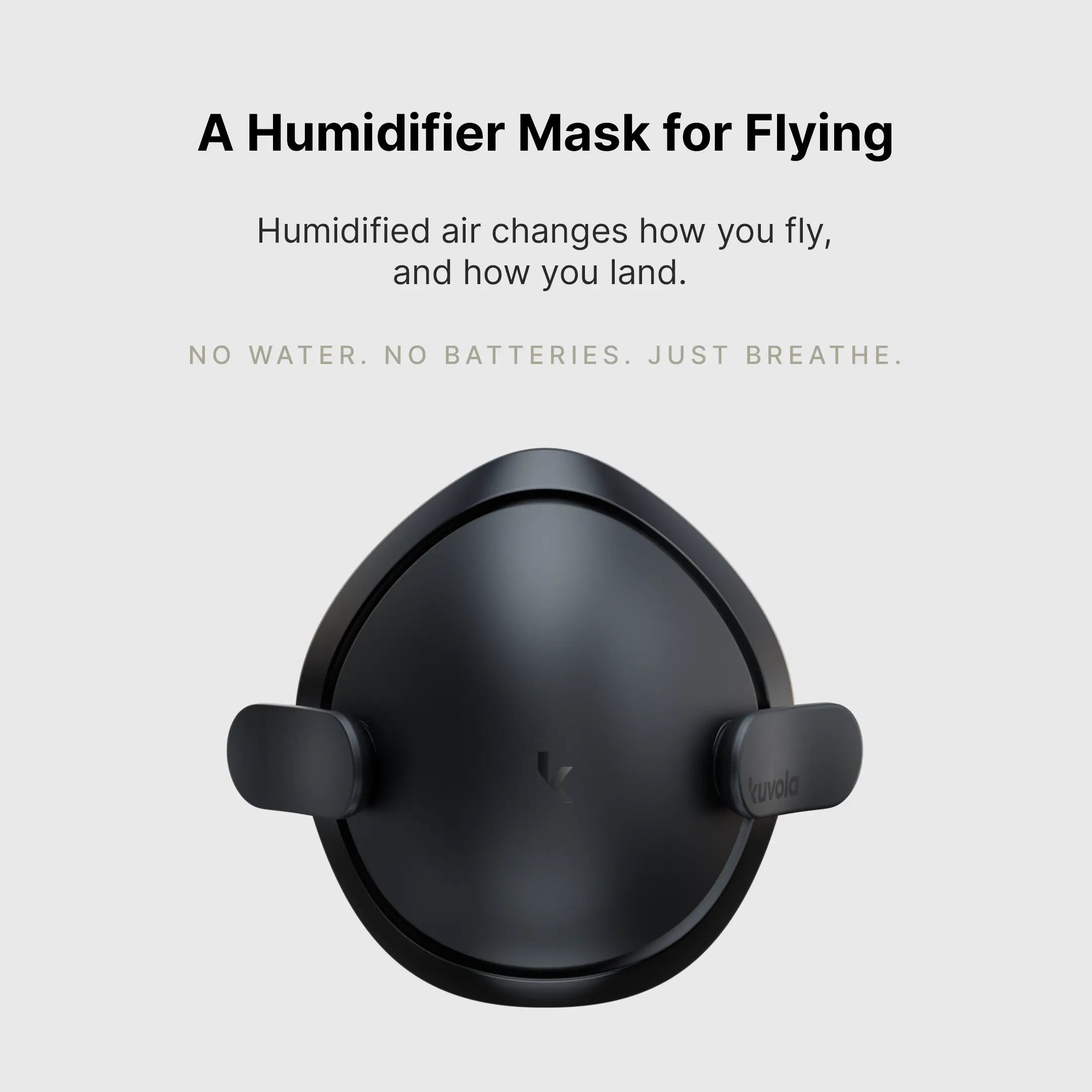
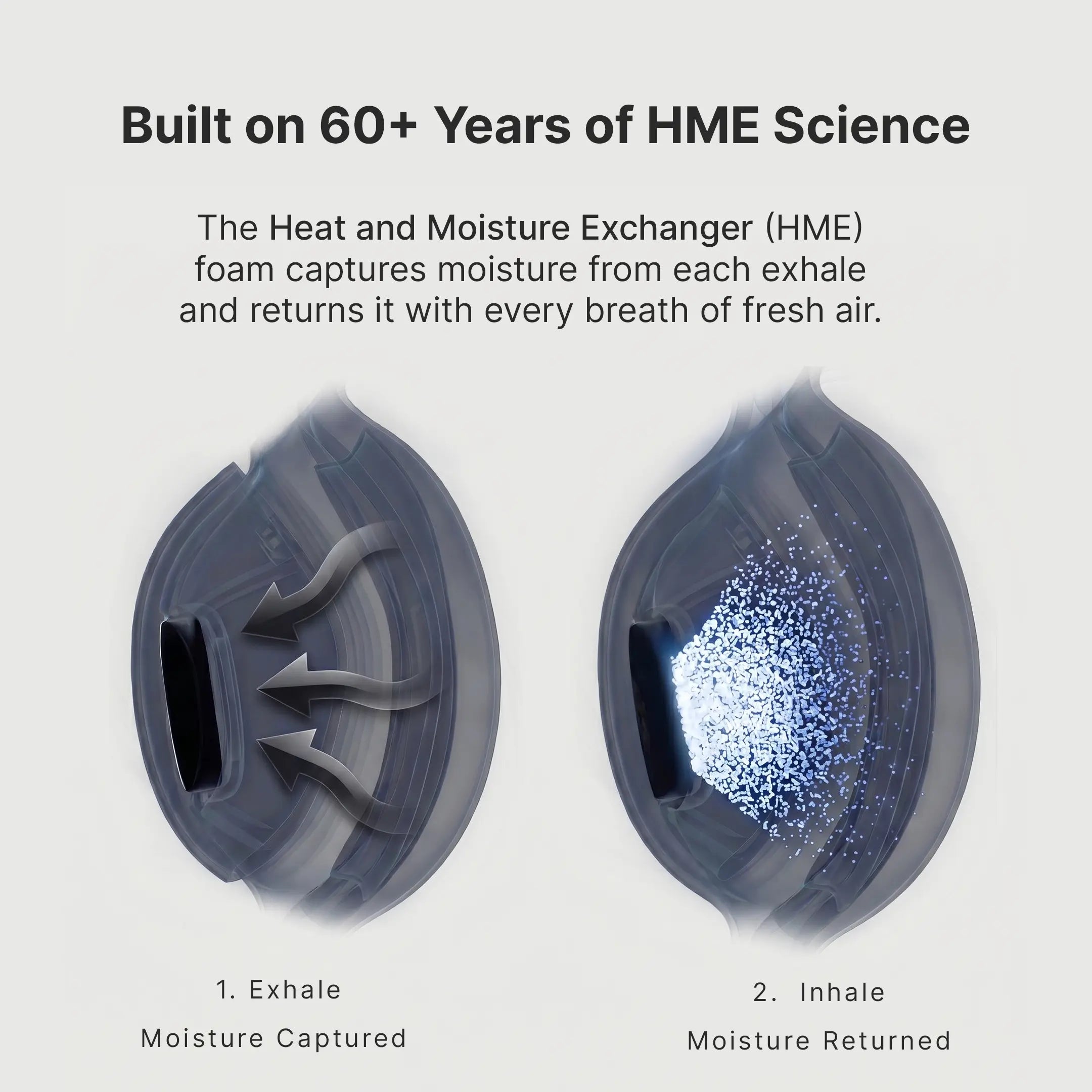
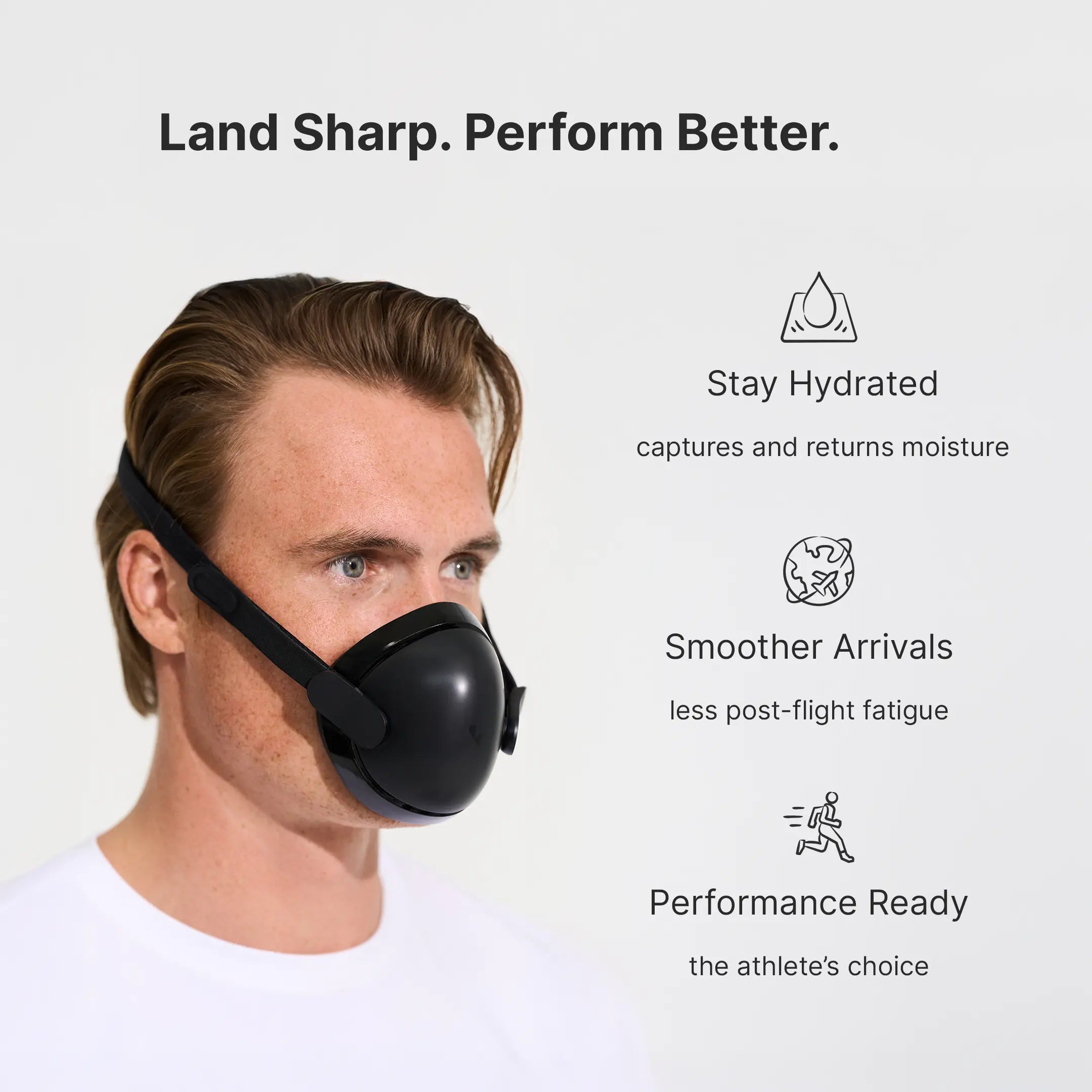
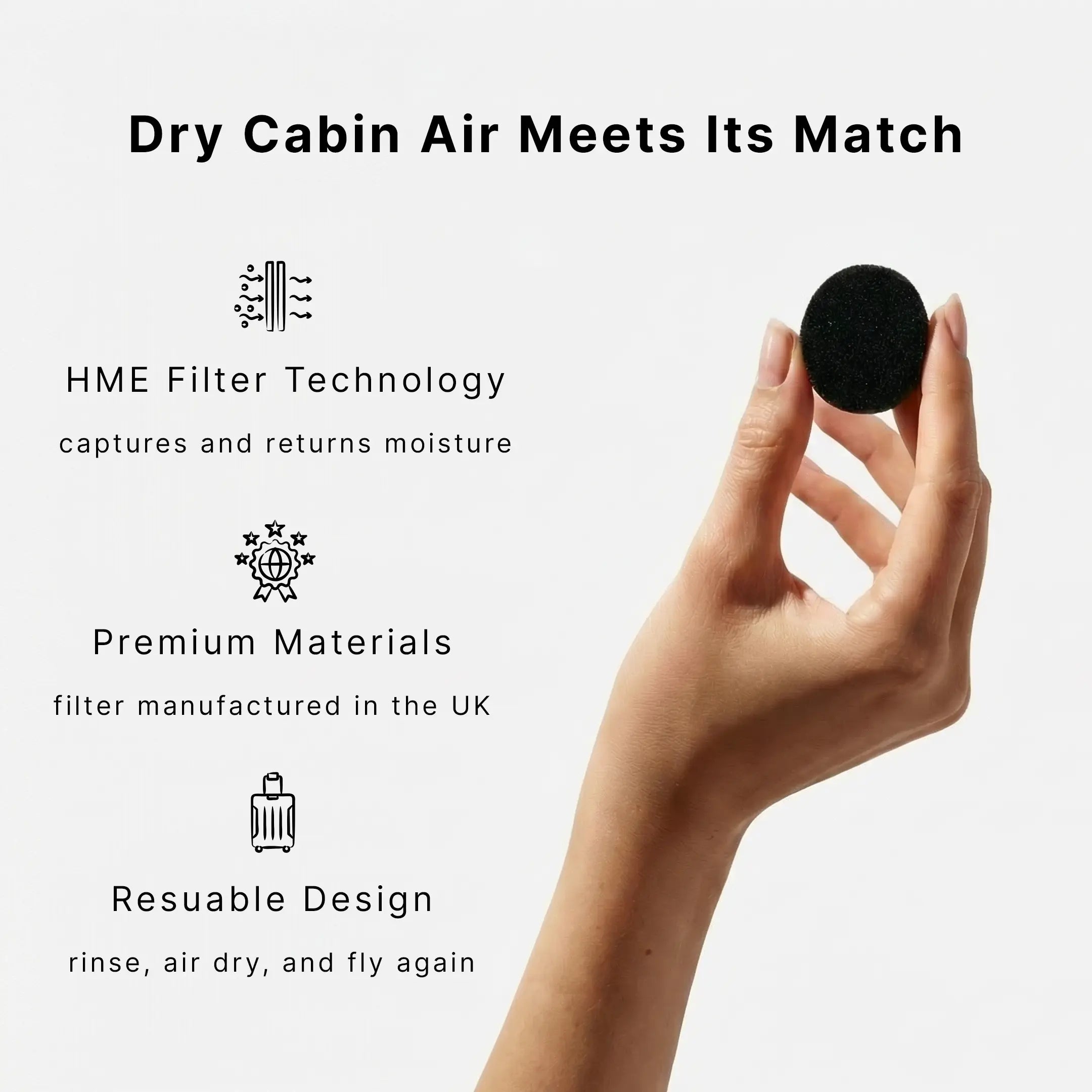
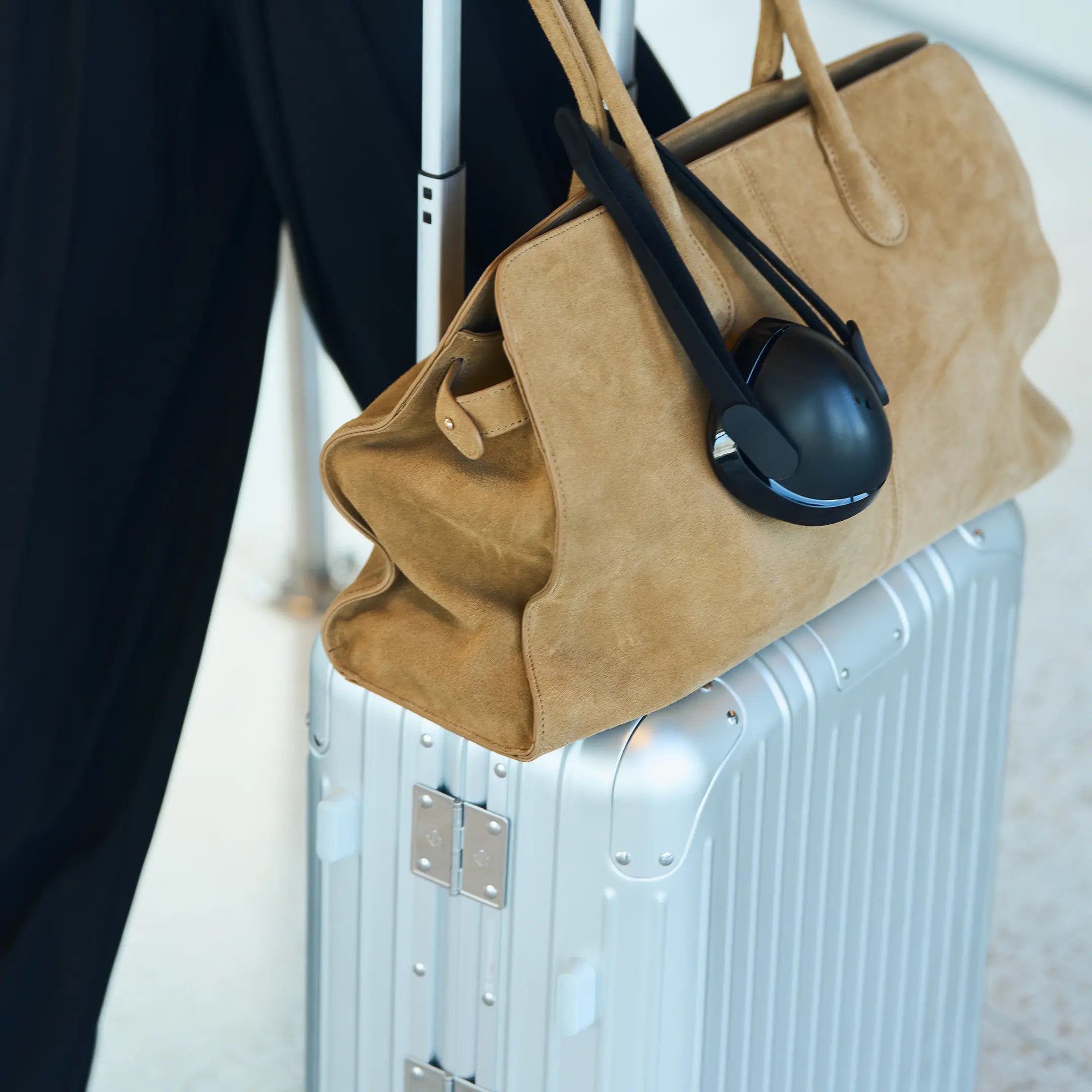
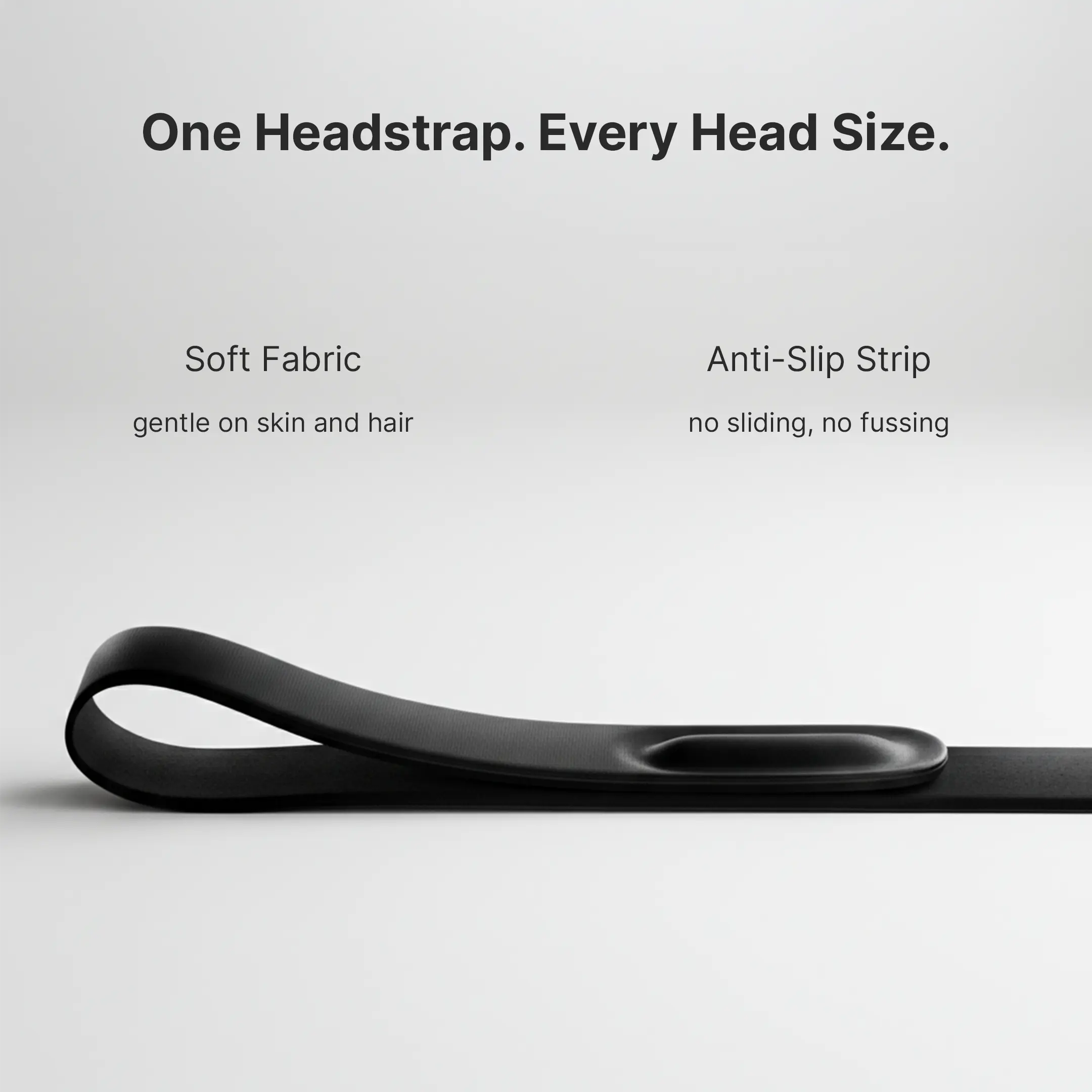
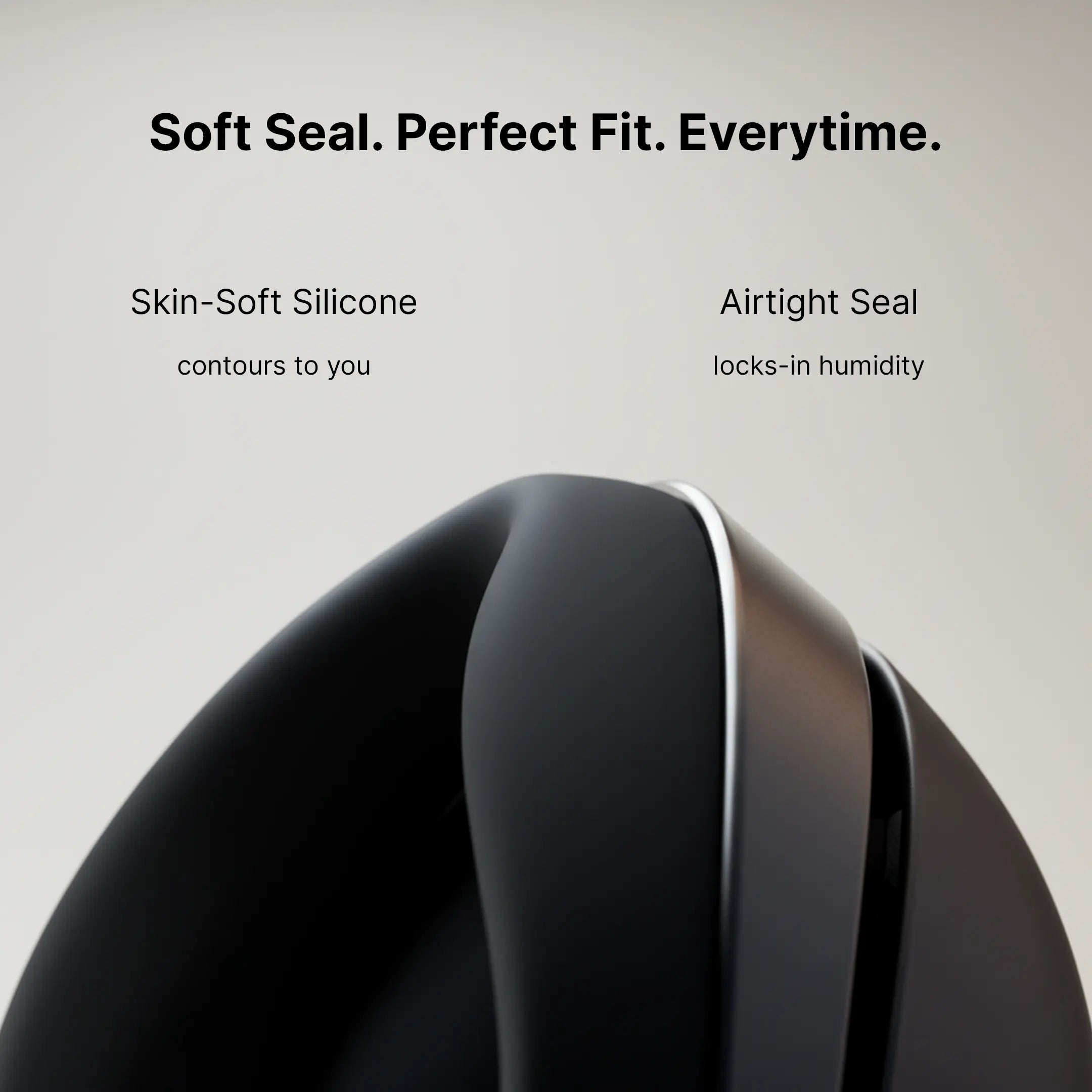
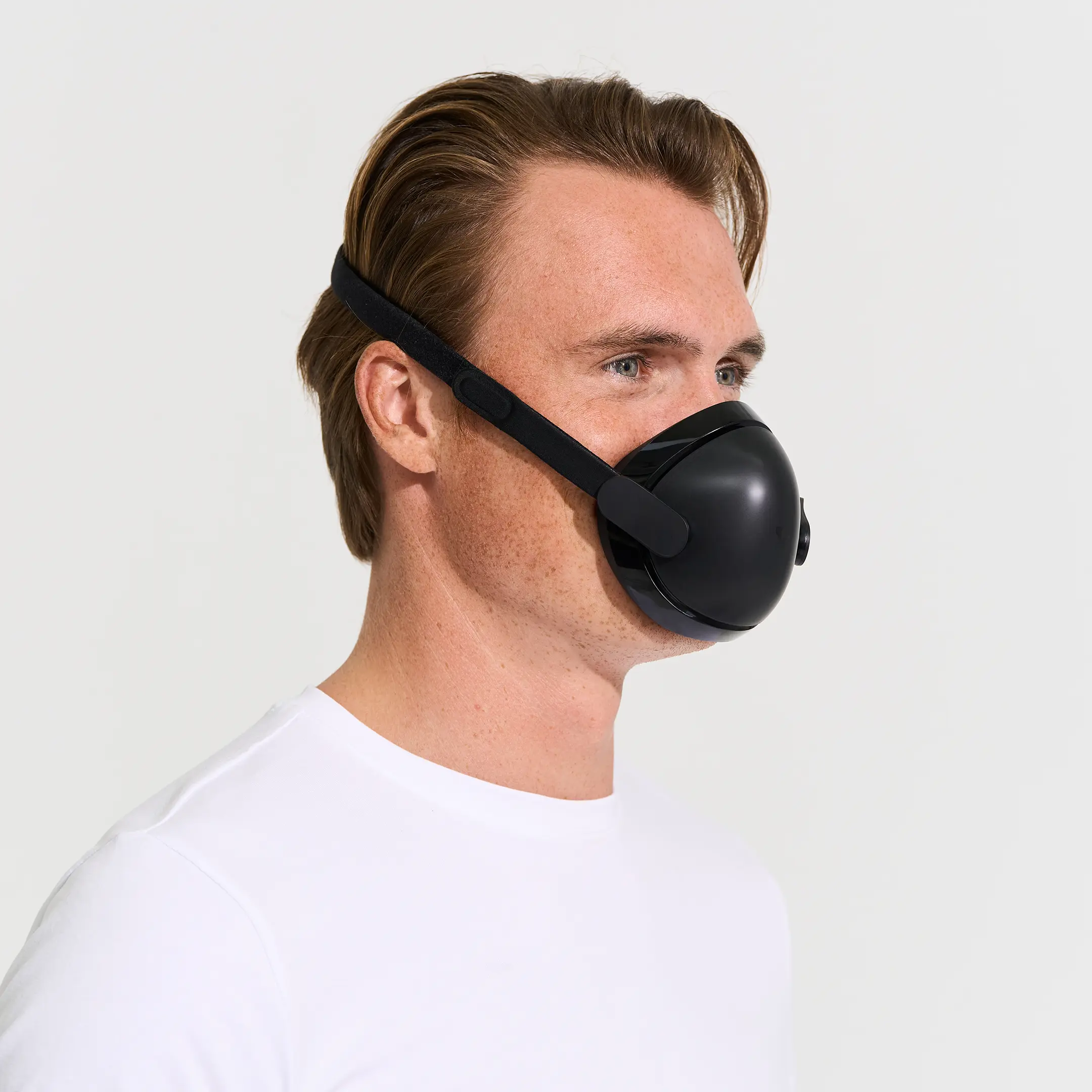
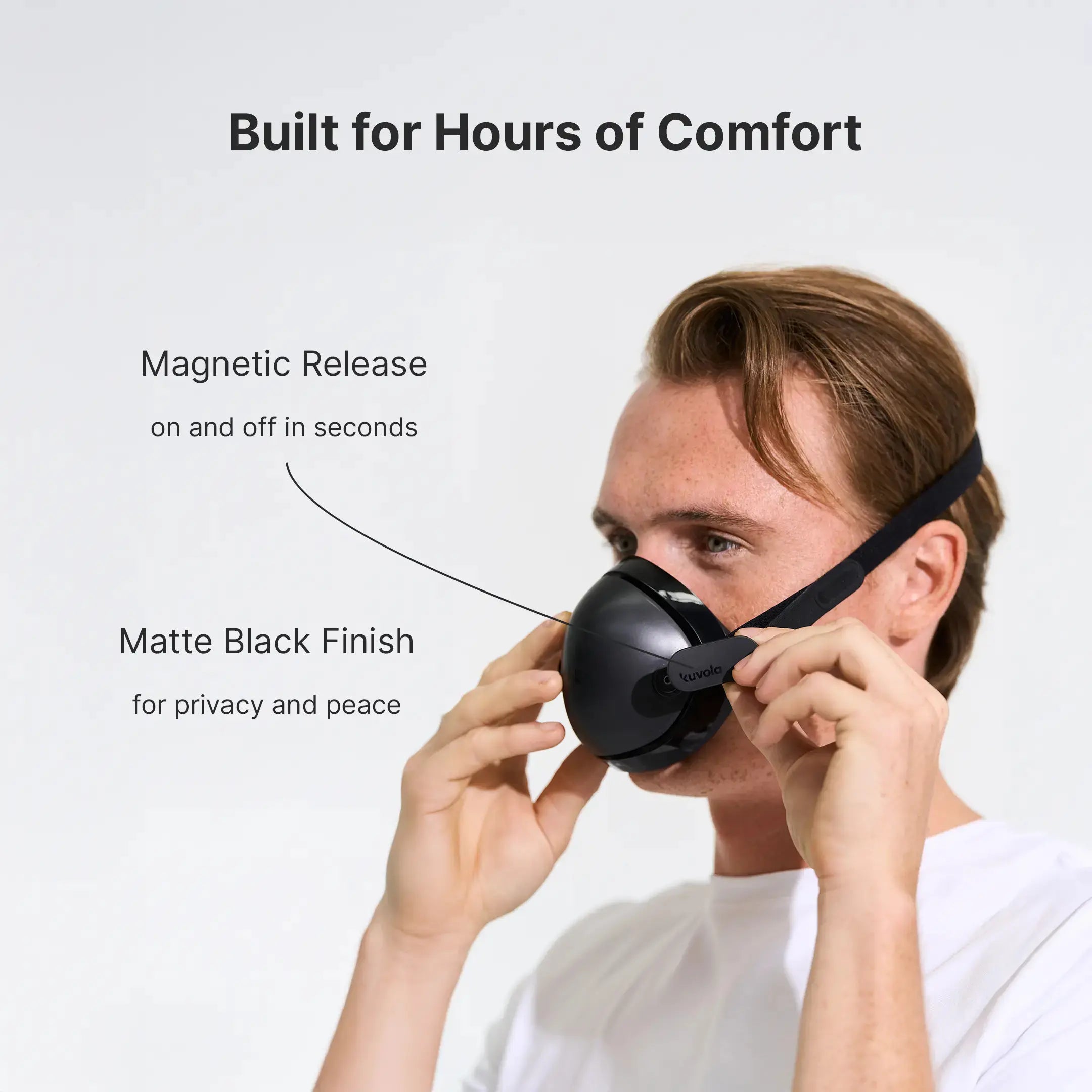
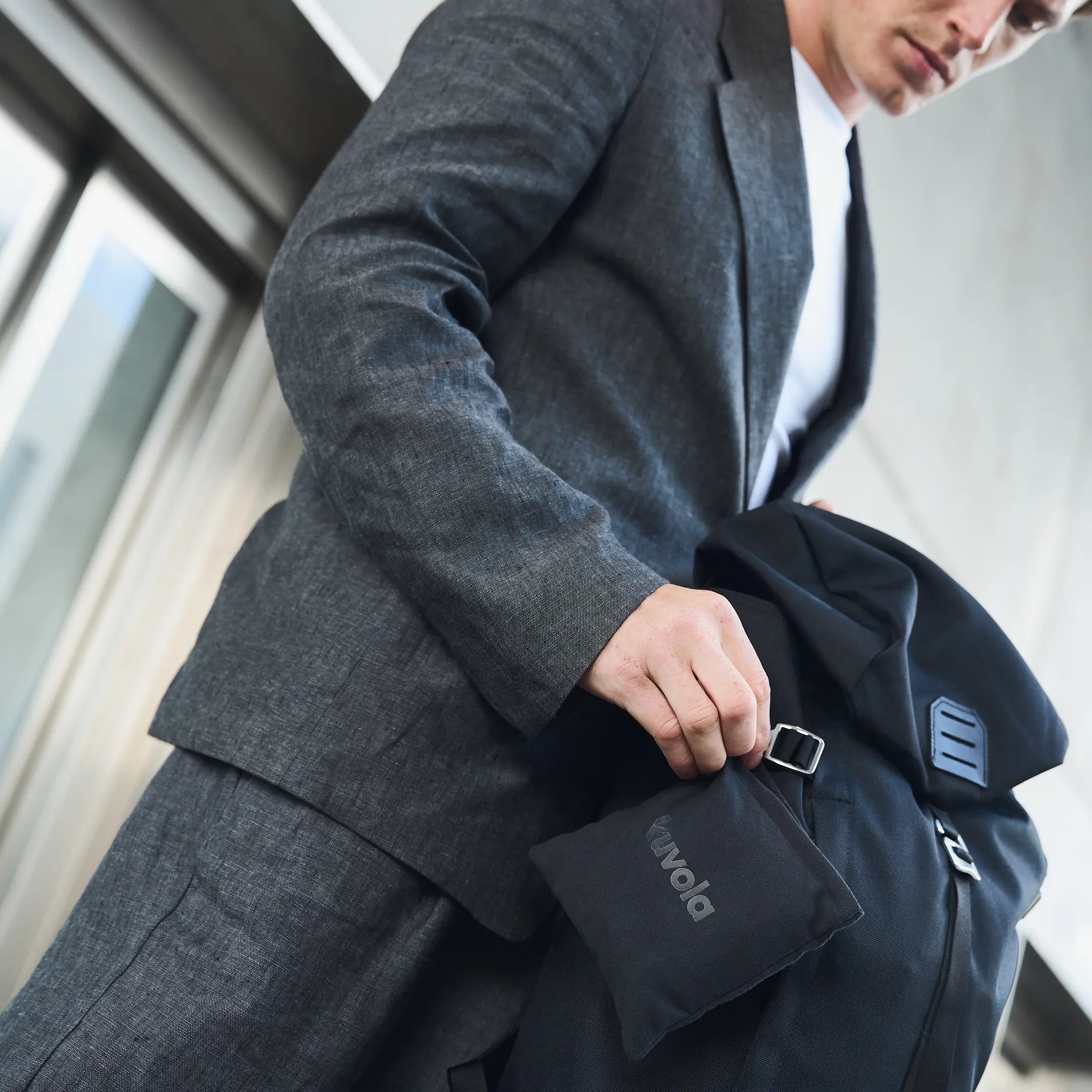
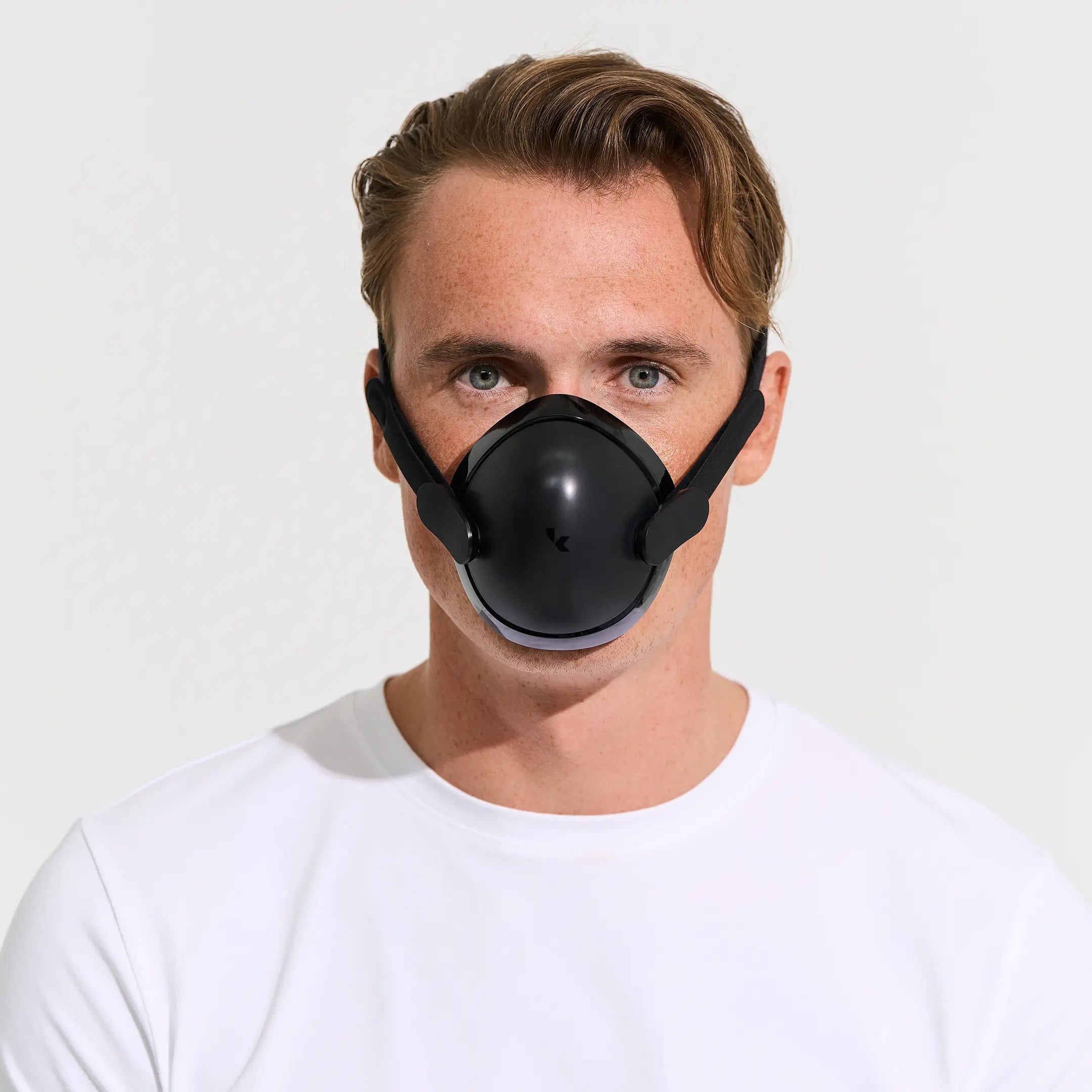
Kuvola is a travel humidifier mask built for this exact problem. It uses Heat and Moisture Exchange technology — the same class of tech used in hospital respiratory care — to capture moisture from your exhale and return it to the fresh air you inhale. No batteries. No water tank. Nothing to explain at TSA.
Wear it on the flight in. Wear it in the taxi. Wear it in your hotel room while the humidifier runs beside the bed. What you're doing is protecting the moisture your body is already producing instead of letting the desert take it.
For a touring vocalist, this is the difference between arriving at soundcheck already dried out and arriving ready to work. It's the closest thing to a vocal steamer for travel that doesn't need a wall outlet or a filled reservoir. At $85, it is a fraction of a canceled show.
FAQ
How do singers stay hydrated in the desert?
Layered defense. Systemic hydration (water plus electrolytes), topical hydration (steam, saline nebulizer), environmental hydration (room humidifier, Kuvola in transit), and eliminating desiccants (alcohol, caffeine, menthol). No single tactic does the job. All of them together do.
Do singing sprays actually work for dry throat?
The glycerin- and pectin-based ones coat and lubricate temporarily — useful. The alcohol- and menthol-based ones make you feel better while your folds get worse. Read the ingredient list before you spray anything on your instrument.
Can low humidity affect your singing voice?
Directly. Vocal fold pliability depends on surface hydration. Anything under 40% ambient humidity begins to affect phonation within hours. Vegas averages half that.
What is Vegas Throat?
The industry term for the hoarseness, scratchiness, and vocal fold irritation that hits performers within a day or two of arriving in Las Vegas. Not a formal diagnosis — but every ENT in the city knows exactly what you're talking about.
You don't need a $2 million rig like Céline. You just need to be smarter than the desert.
Kuvola — the travel humidifier mask built for the way you actually fly. Available at kuvola.com. $85. Ships worldwide.
Sources: “Why ‘Vegas throat’ has performers all choked up” — Las Vegas Sun, 2001. Public reporting on Céline Dion's humidification system at the Colosseum at Caesars Palace.