Les 5 pires effets de l'air sec sur votre voix
par le Dr. Petra Illig, médecin et AME
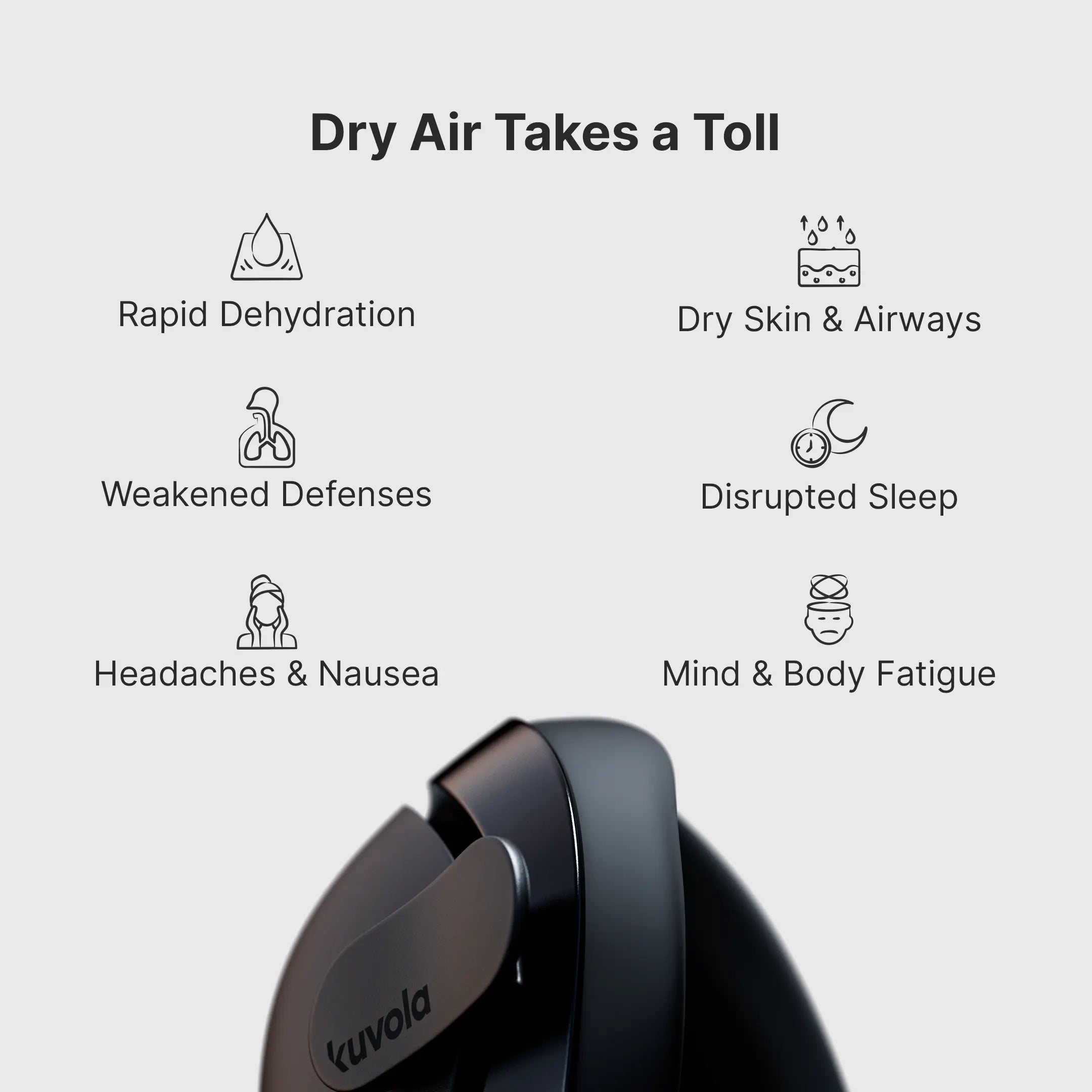
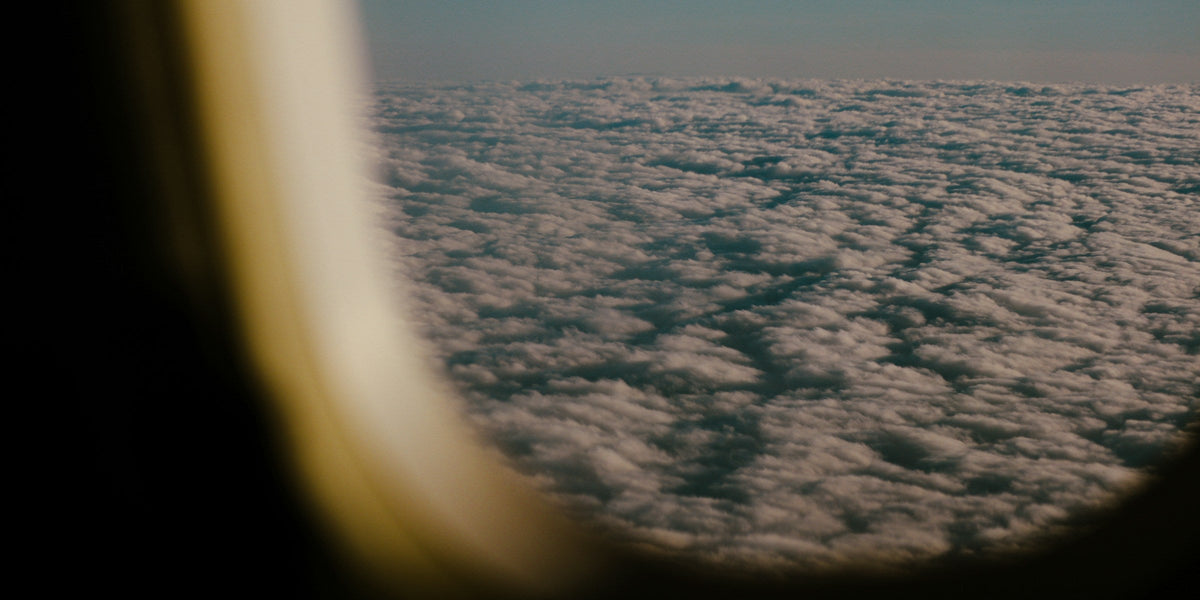
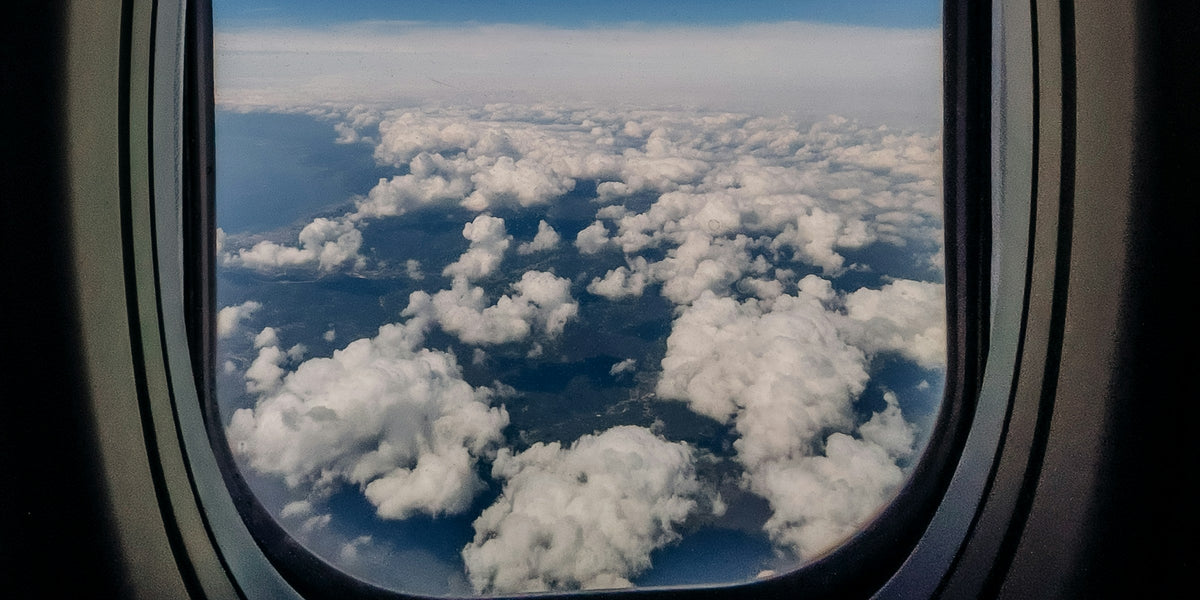
Vous ne remarquez même pas que cela se produit. Vous vous asseyez, la porte de la cabine se ferme, et quelque part au-dessus de l'Atlantique, l'air autour de vous devient plus sec que celui du Sahara. Votre voix est la première à en faire les frais, même si vous ne prononcez pas un mot pendant les huit heures qui suivent.
Voici ce qui se passe réellement là-dedans.
01
Cela assèche vos cordes vocales

Vos cordes vocales ne sont pas des cordes. Ce sont de fines bandes de tissu qui vibrent des centaines de fois par seconde, glissant l'une contre l'autre sur un film muqueux lubrifiant. L'air sec absorbe ce film. Sans lui, les cordes se cognent plus violemment, gonflent légèrement et deviennent irritées. C'est l'équivalent, pour la gorge, de courir pieds nus sur une route brûlante.
02
Cela épaissit le mucus restant

Votre corps le remarque et réagit de manière excessive. Il produit plus de mucus, mais plus visqueux et difficile à évacuer. Vous vous surprenez à tousser, à avaler votre salive, à vous racler la gorge entre deux phrases. L'éclat de votre voix s'éteint. Les gens commencent à vous demander si vous tombez malade.
03
Cela demande plus d'efforts pour chaque note

Lorsque vos cordes sont collantes, elles résistent à la vibration. Vous poussez alors plus d'air sans vous en rendre compte, contractez davantage de muscles et fournissez plus d'efforts pour produire le même son. Après une demi-heure de conversation, vous ressentez une fatigue que vous ne savez pas trop expliquer. Au moment de l'atterrissage, parler donne l'impression de soulever des poids.
04
Cela réduit votre tessiture

Le tissu vocal a besoin d'eau pour s'étirer. Sans elle, vos cordes perdent leur souplesse. Les notes aiguës sont les premières touchées. Celles que vous atteignez normalement sans difficulté commencent à crisser ou à dérailler. Les chanteurs appellent cela la sensation « croquante ». Pour les autres, c'est ce moment où votre voix craque en pleine phrase et où vous vous demandez quand vous avez rajeuni de seize ans.
05
Cela vous laisse enroué le lendemain matin

Passez suffisamment de temps dans l'air sec et les dégâts s'installent. Une voix rauque au réveil. La plupart des gens dorment la bouche ouverte en altitude, ce qui aggrave encore les choses. Vous ouvrez les yeux avec une voix qui semble empruntée à quelqu'un d'autre, et il faut parfois des heures pour qu'elle revienne.
Kuvola : l'humidificateur utilisé par les PLUS GRANDS artistes

L'air des avions est plus sec que celui du désert du Sahara.
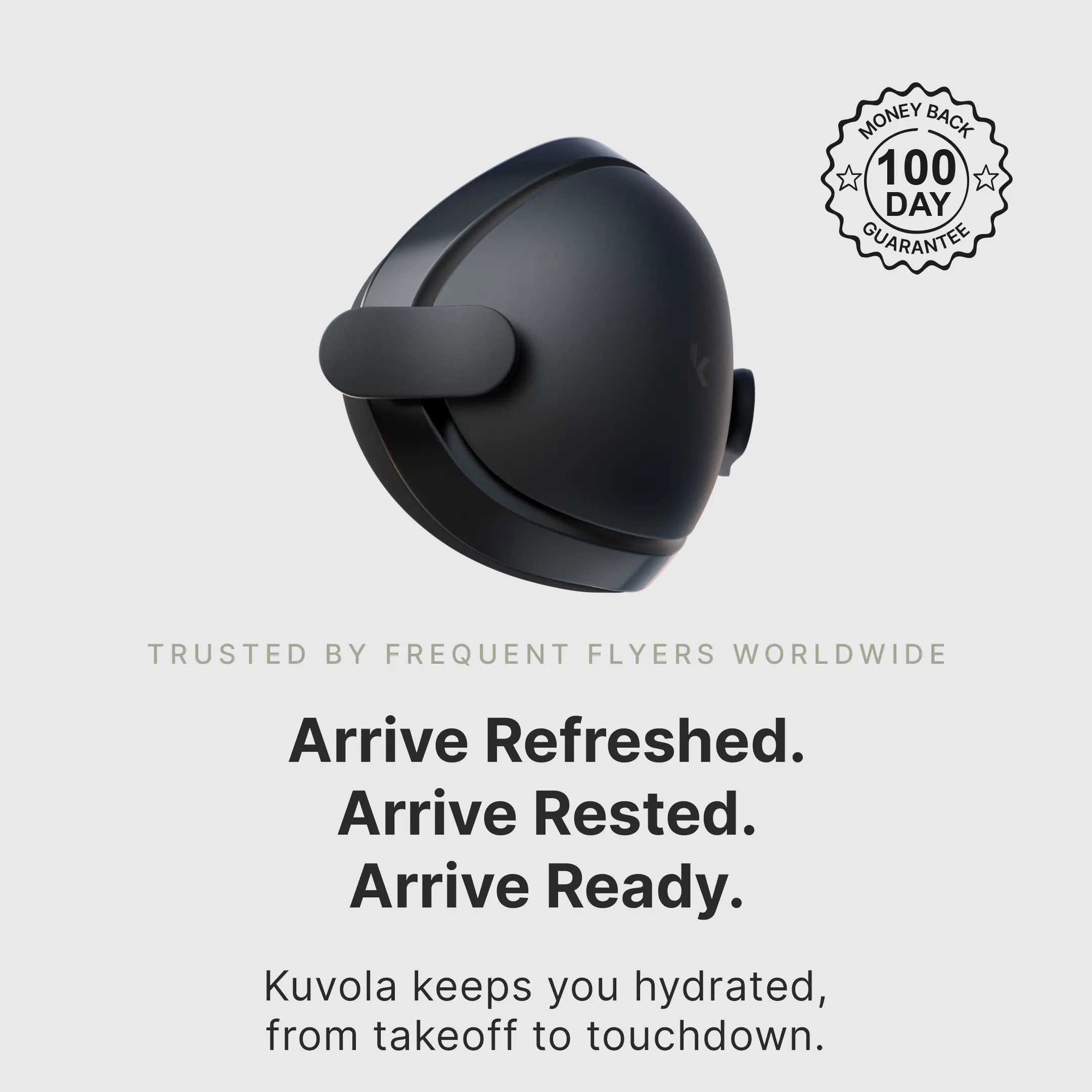
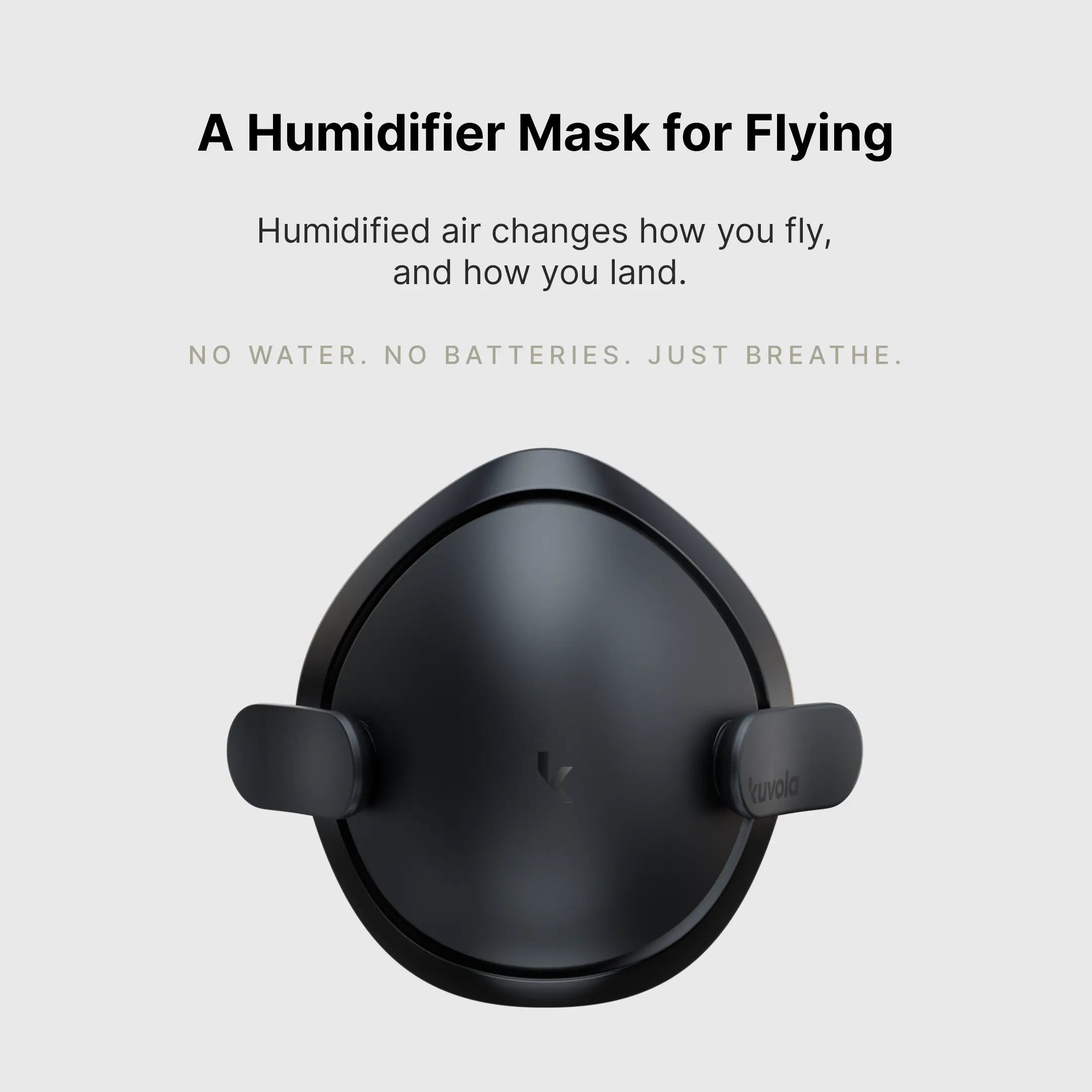
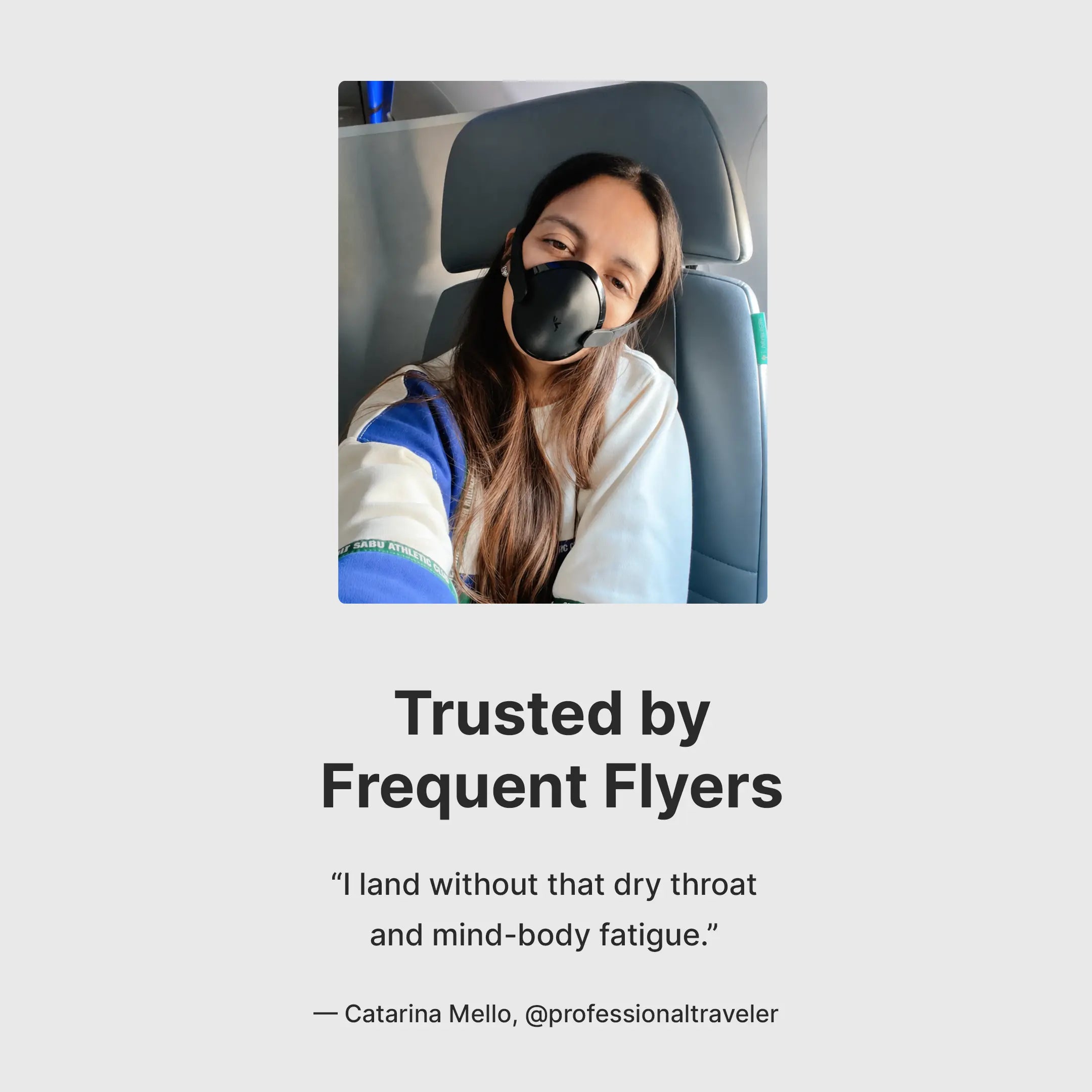
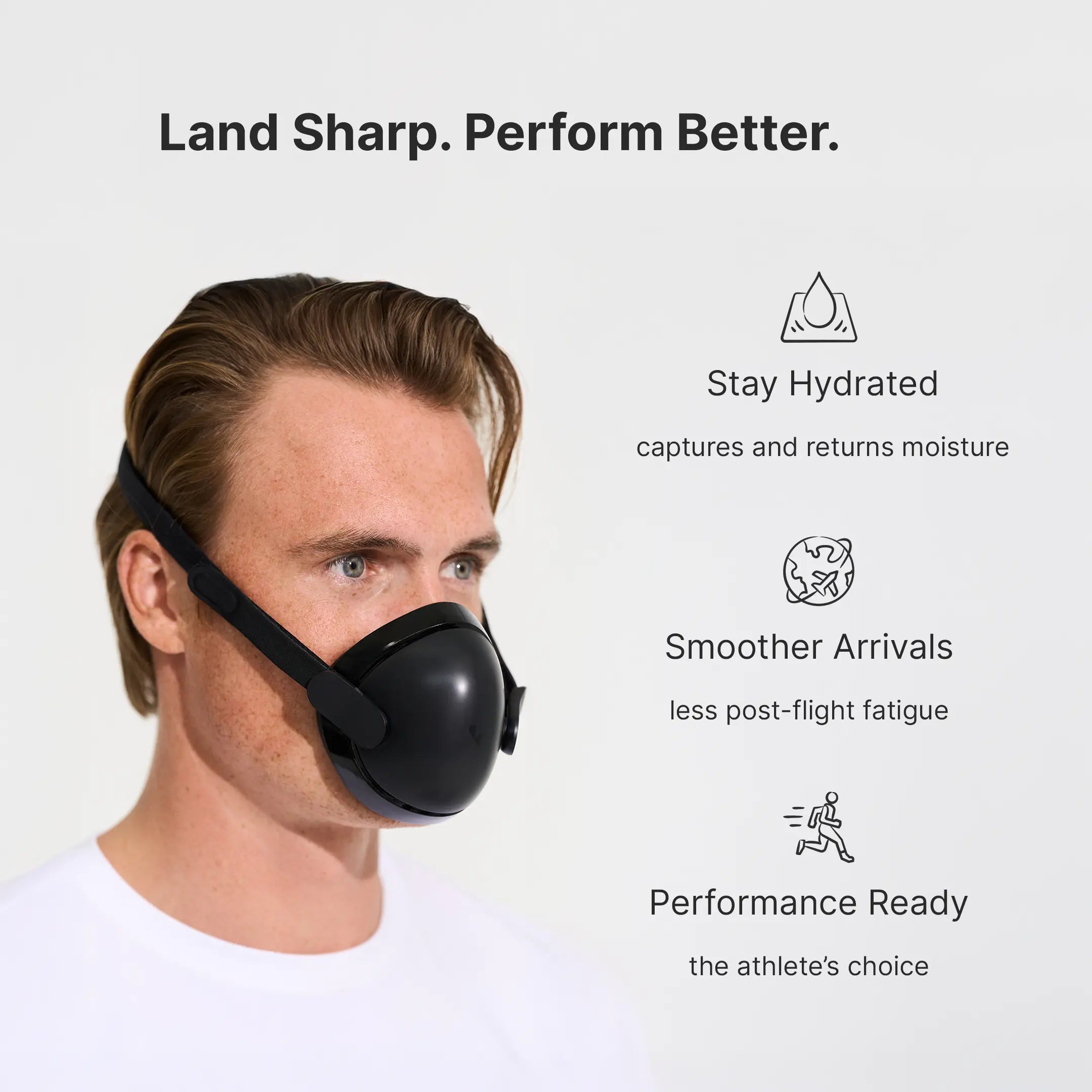
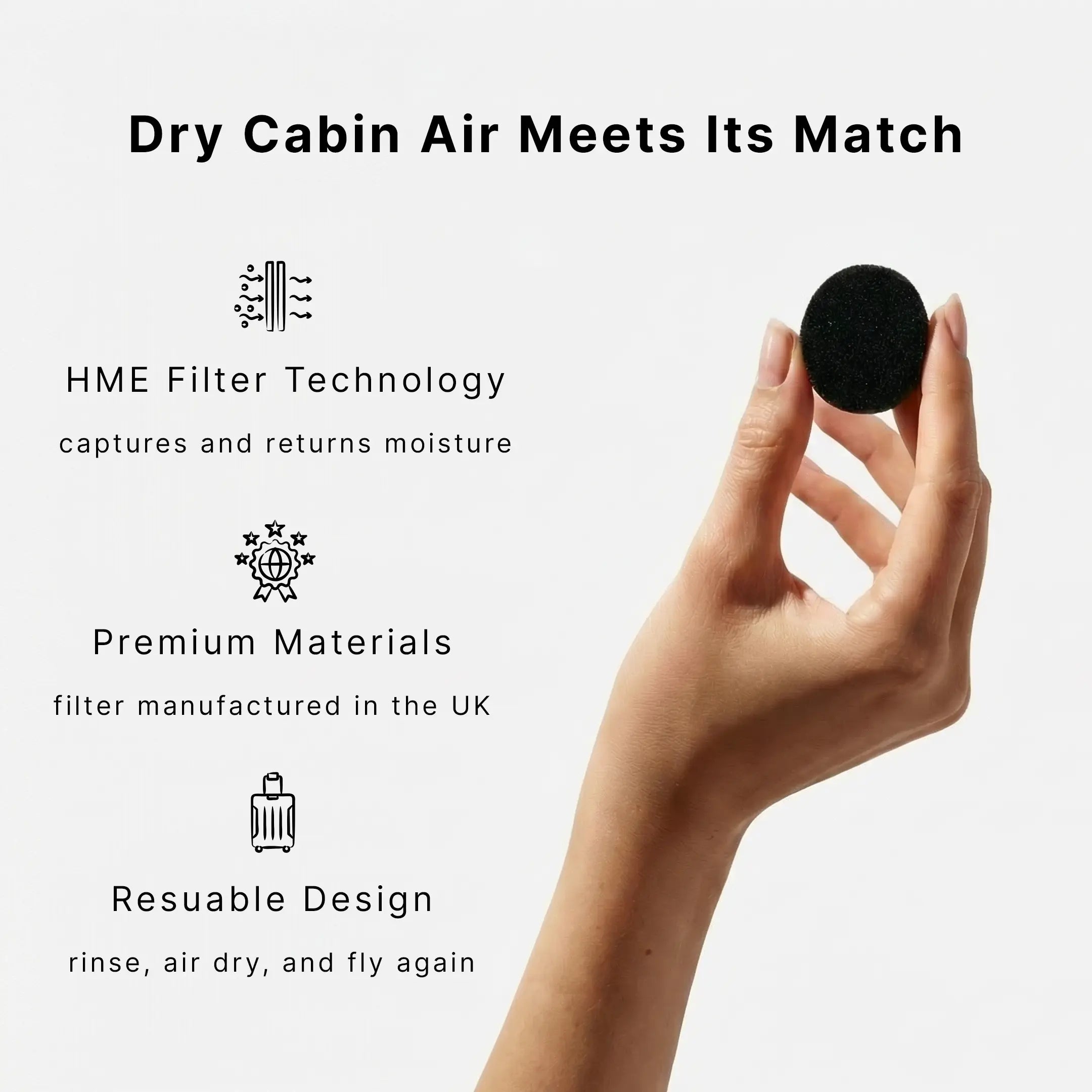
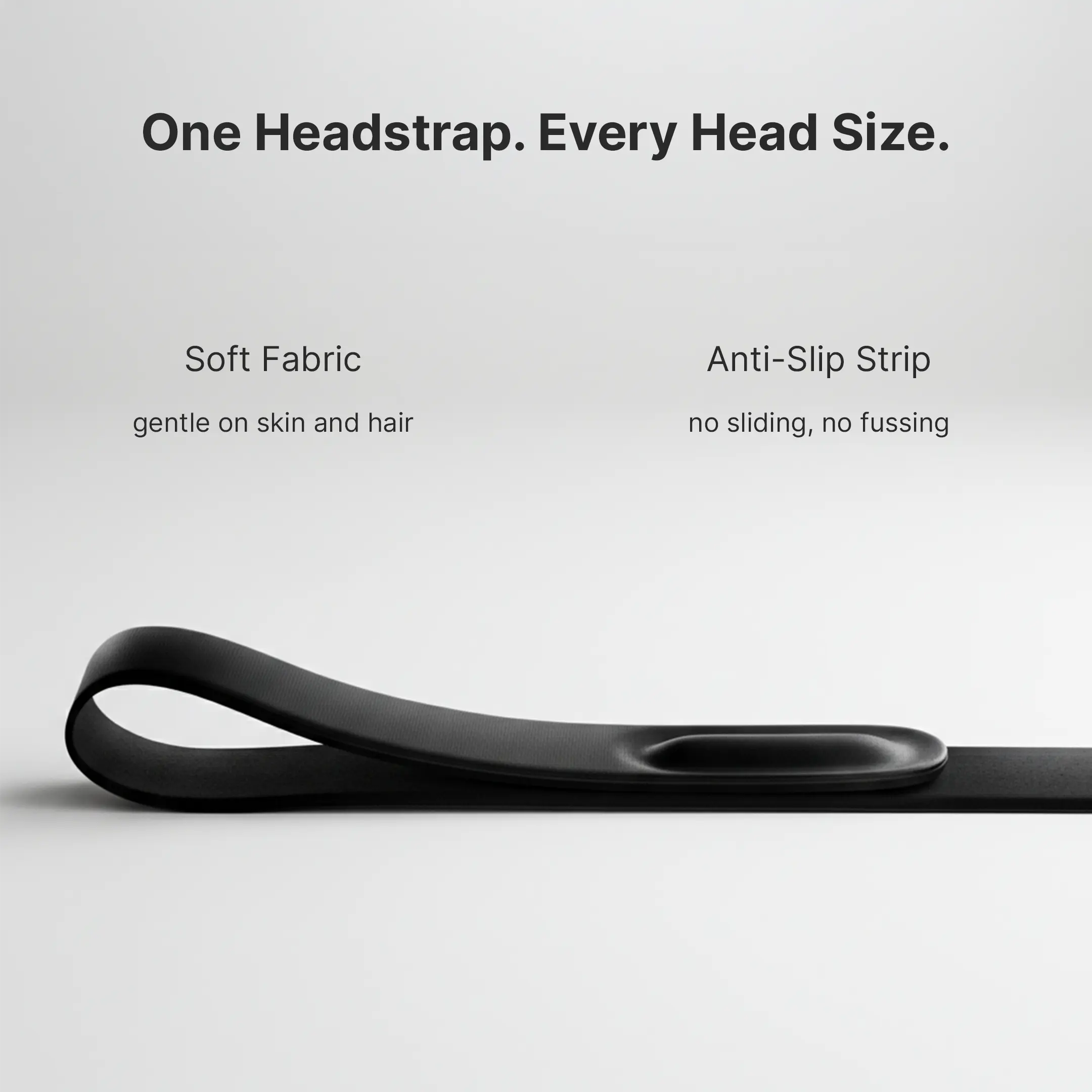
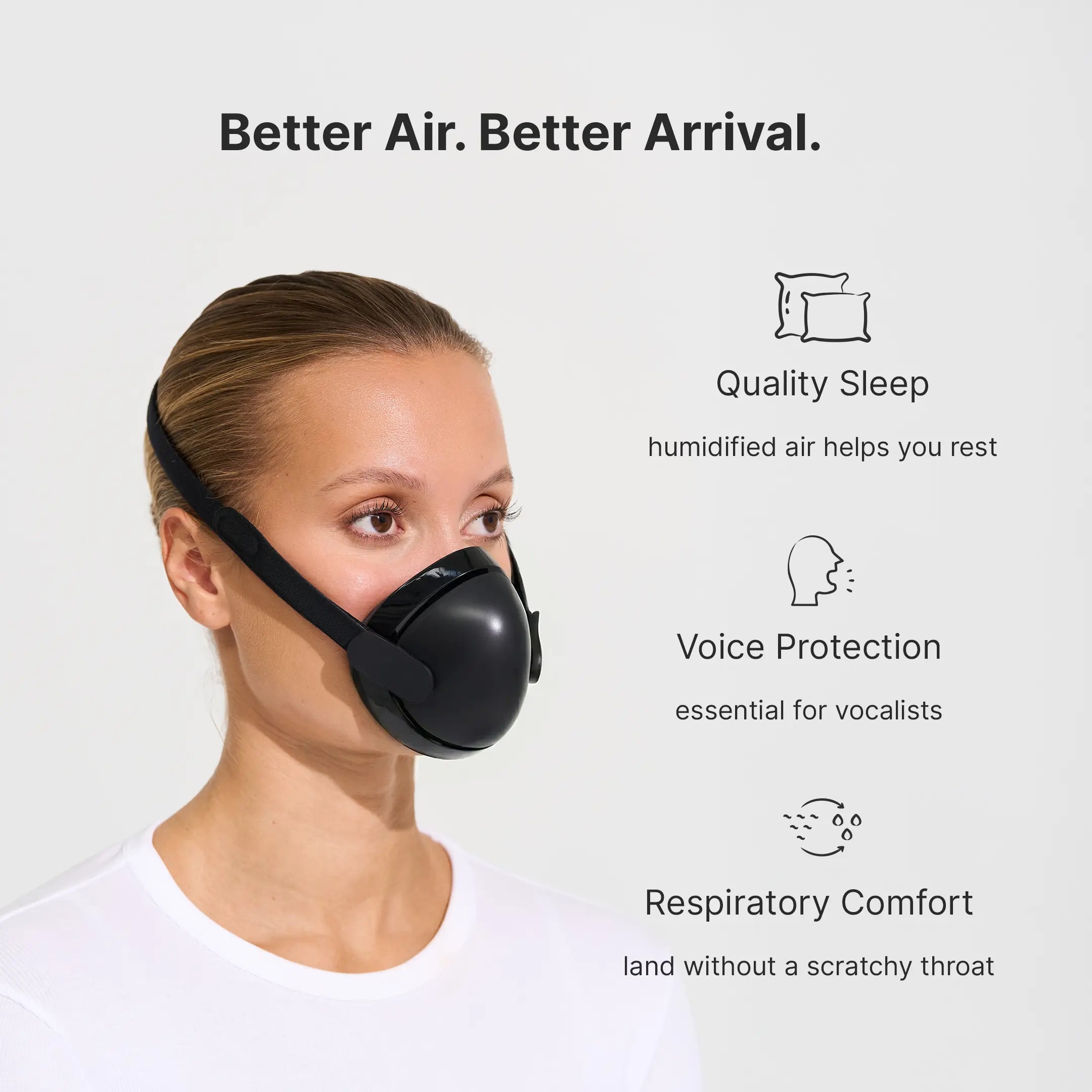
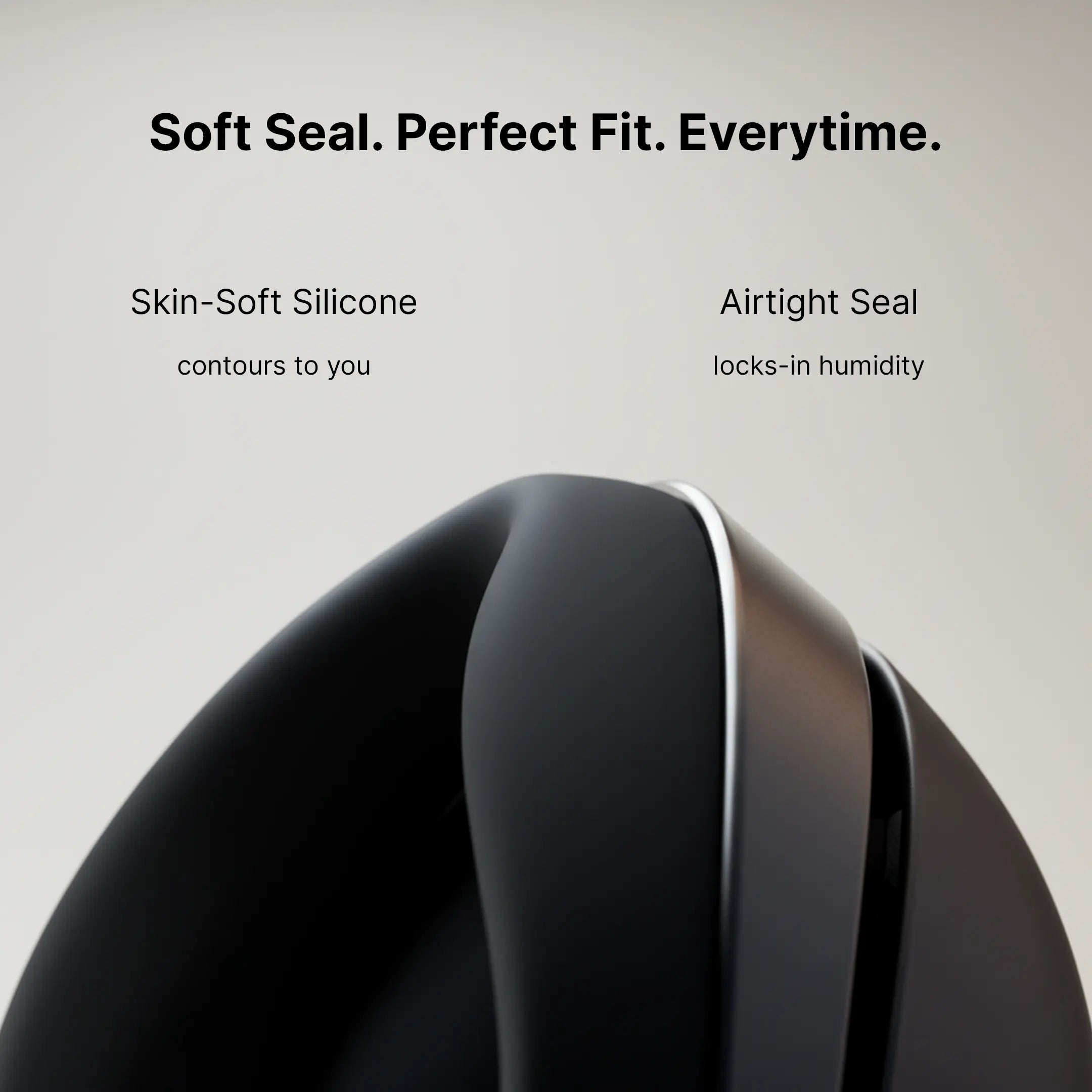
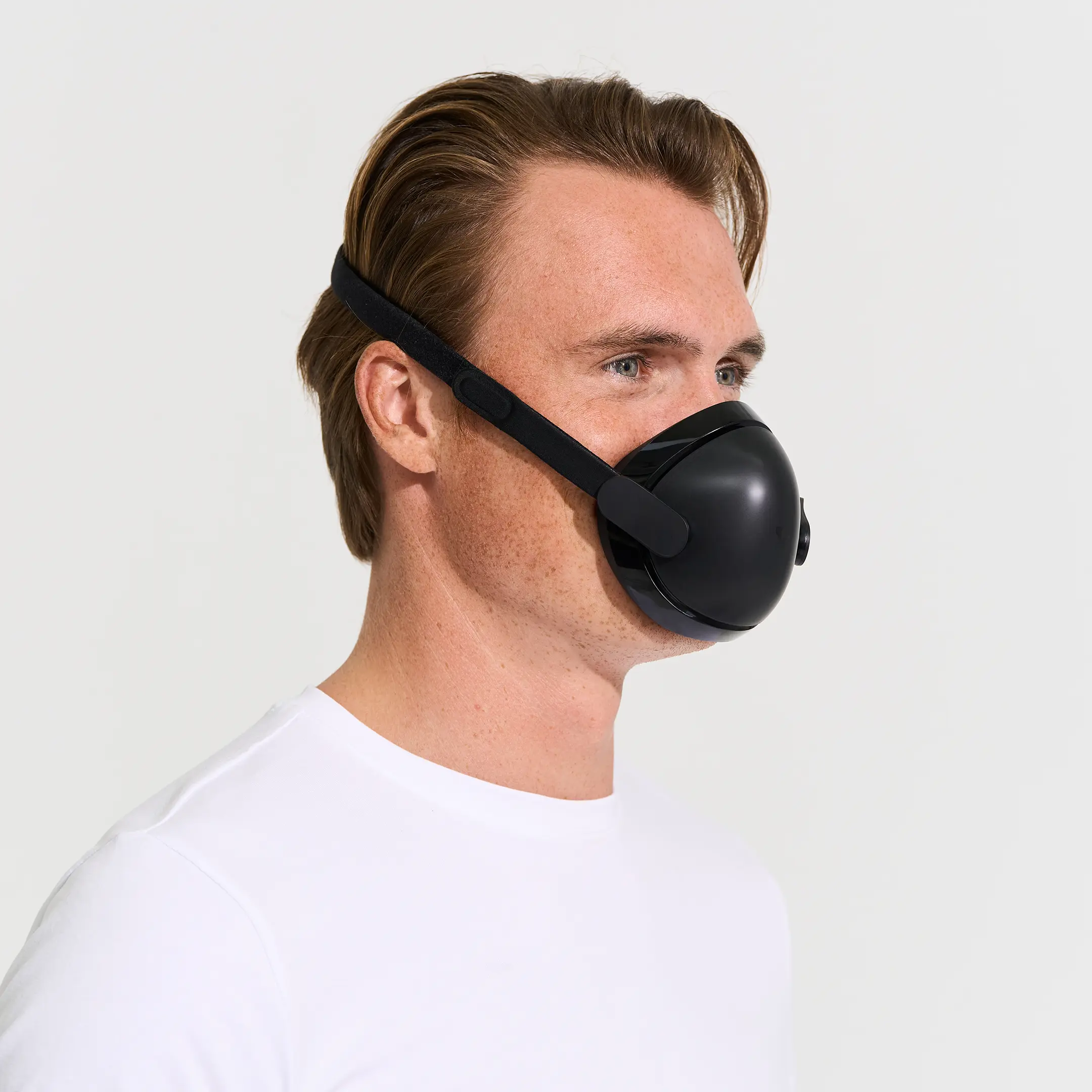
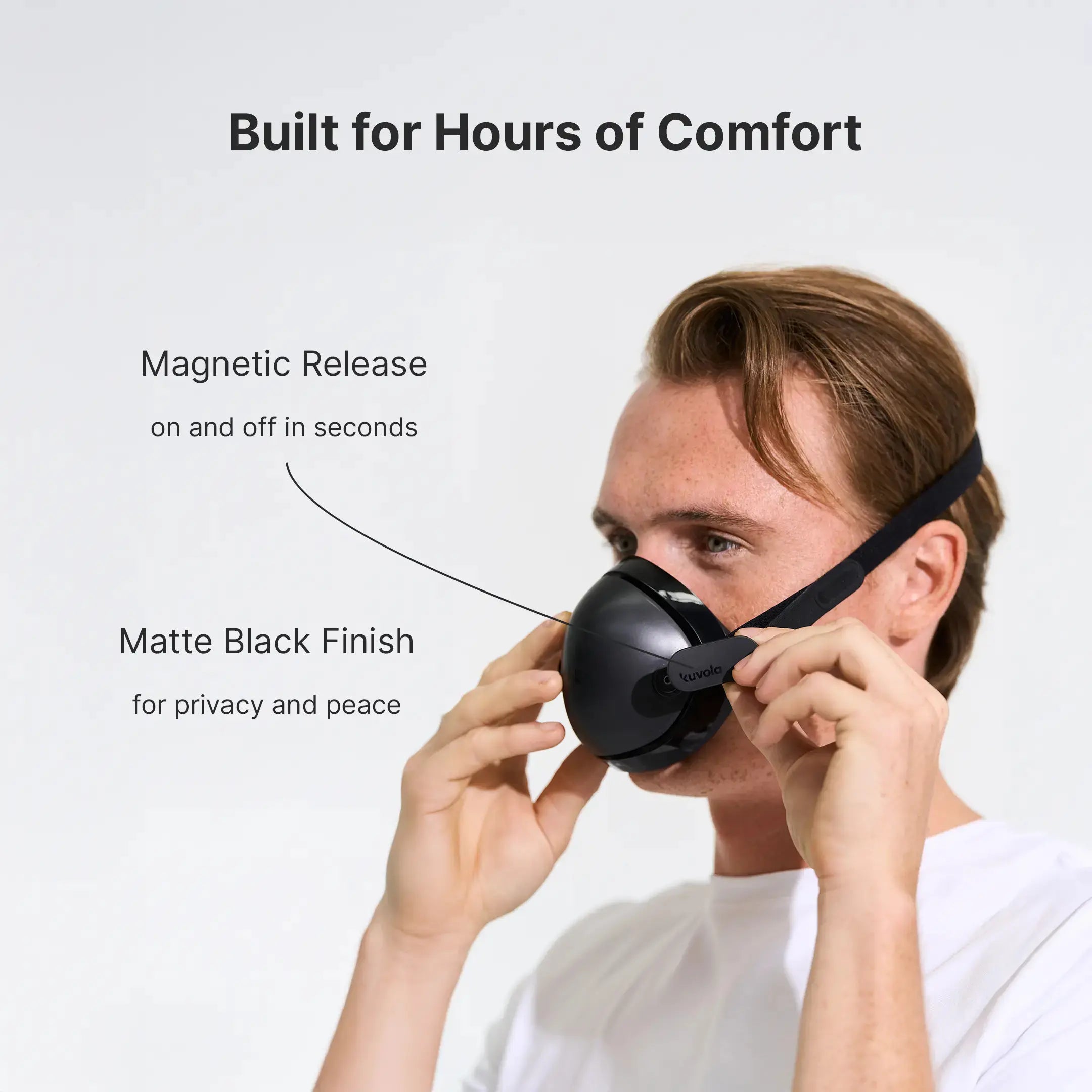
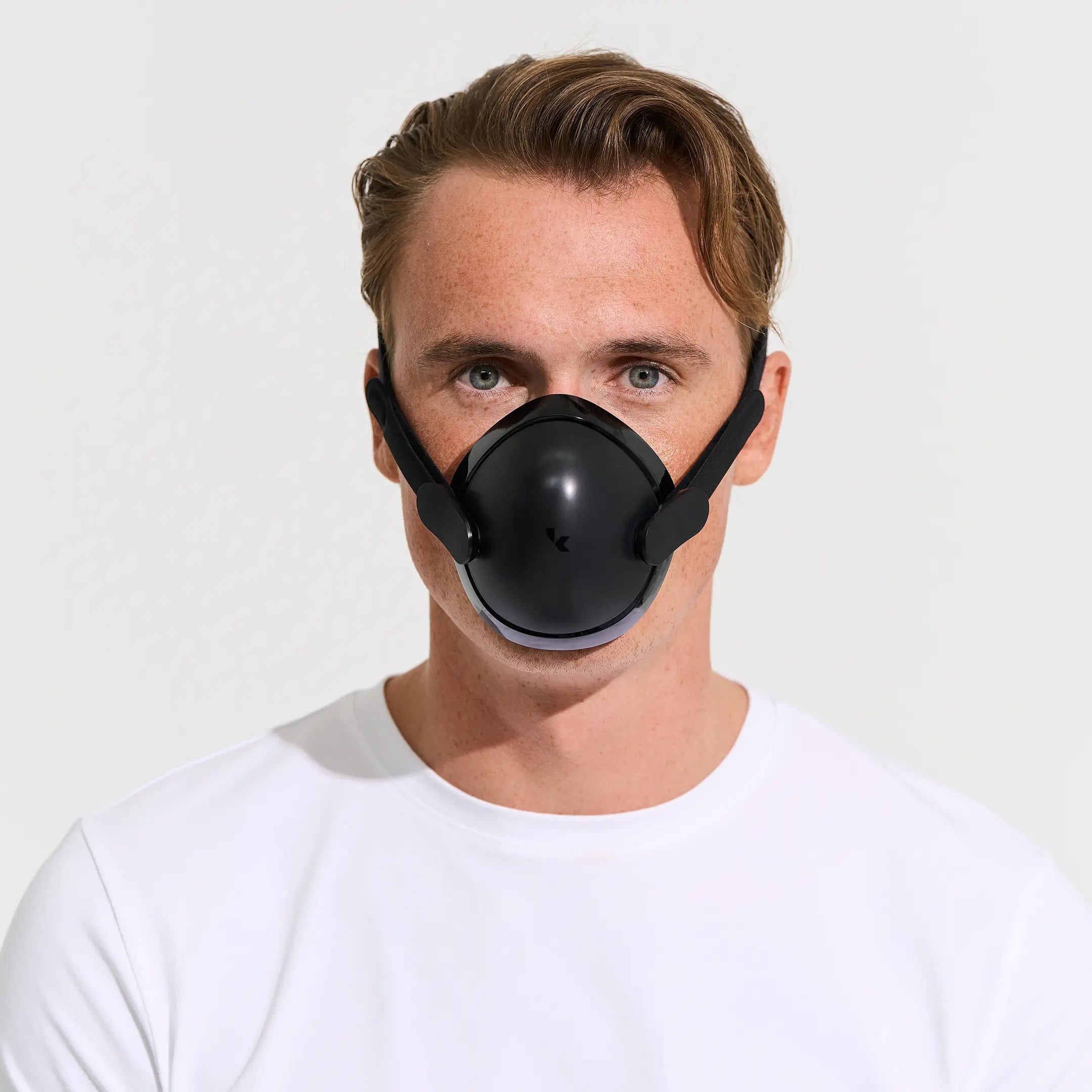
Kuvola est un masque humidificateur conçu pour les vols et plébiscité par les plus grands noms de la musique.
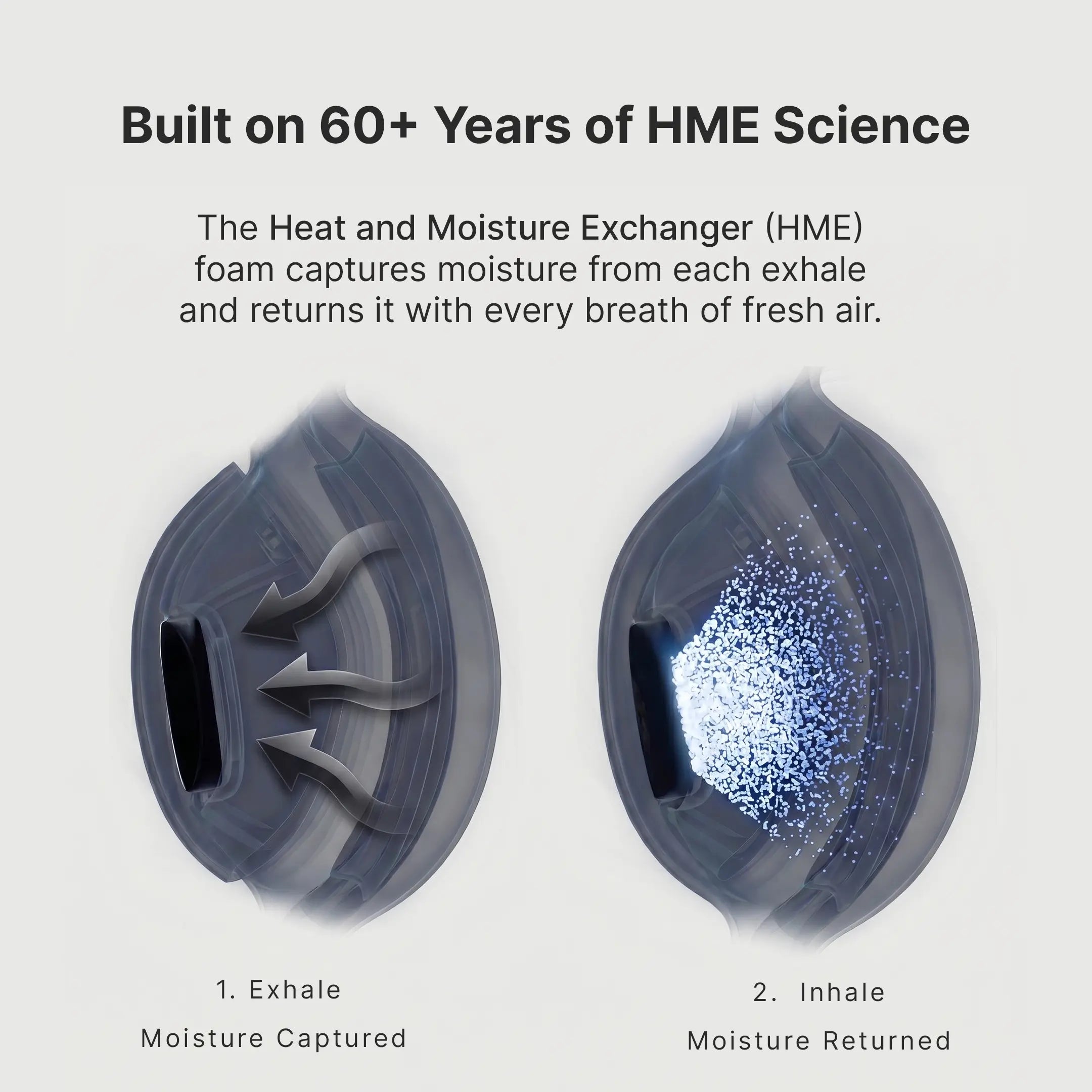
Il vous fournit un air au taux d'humidité idéal pendant tout le trajet, afin que vous puissiez sortir de l'avion avec votre voix habituelle.
Essayez-le lors de votre prochain vol. Si vous ne ressentez pas la différence, renvoyez-le sous 30 jours pour un remboursement complet.