7 Vocal Health Myths Your Castmates Still Believe About Water
You're standing in the wings, about to make your entrance for Act II. Your throat feels like sandpaper. You grab your water bottle, take a long swig, and think okay, I'm good now.
You're not. And here's the part nobody told you in conservatory: that water you just swallowed went down your esophagus (your food pipe). Your vocal folds live in your larynx, which sits at the top of your trachea (your windpipe). These are two completely separate tubes. If water actually touched your vocal cords, you wouldn't sing better. You'd choke. [1]
That's the anatomy lesson that unravels almost everything performers believe about water and their voice. Here are seven myths that are probably circulating in your green room right now.

1. "Water instantly lubricates dry vocal cords"
The myth: A sip of water coats your cords and gets them moving smoothly again, the way oil on a hinge fixes a squeak.
The anatomy reality: Water goes down the esophagus. Your cords are in the larynx, behind a closed epiglottis. The two paths don't cross. The moisture on your vocal folds comes from mucus-producing glands in your laryngeal tissue, fed by your bloodstream - not by anything you swallow passing over them. [1, 2]
The real fix: Steady water intake throughout the day, hours before you perform. That's the systemic hydration that actually changes what your glands secrete onto the folds. For direct airway moisture, steam inhalation or a personal nebulizer with saline - those deliver to the right tube.
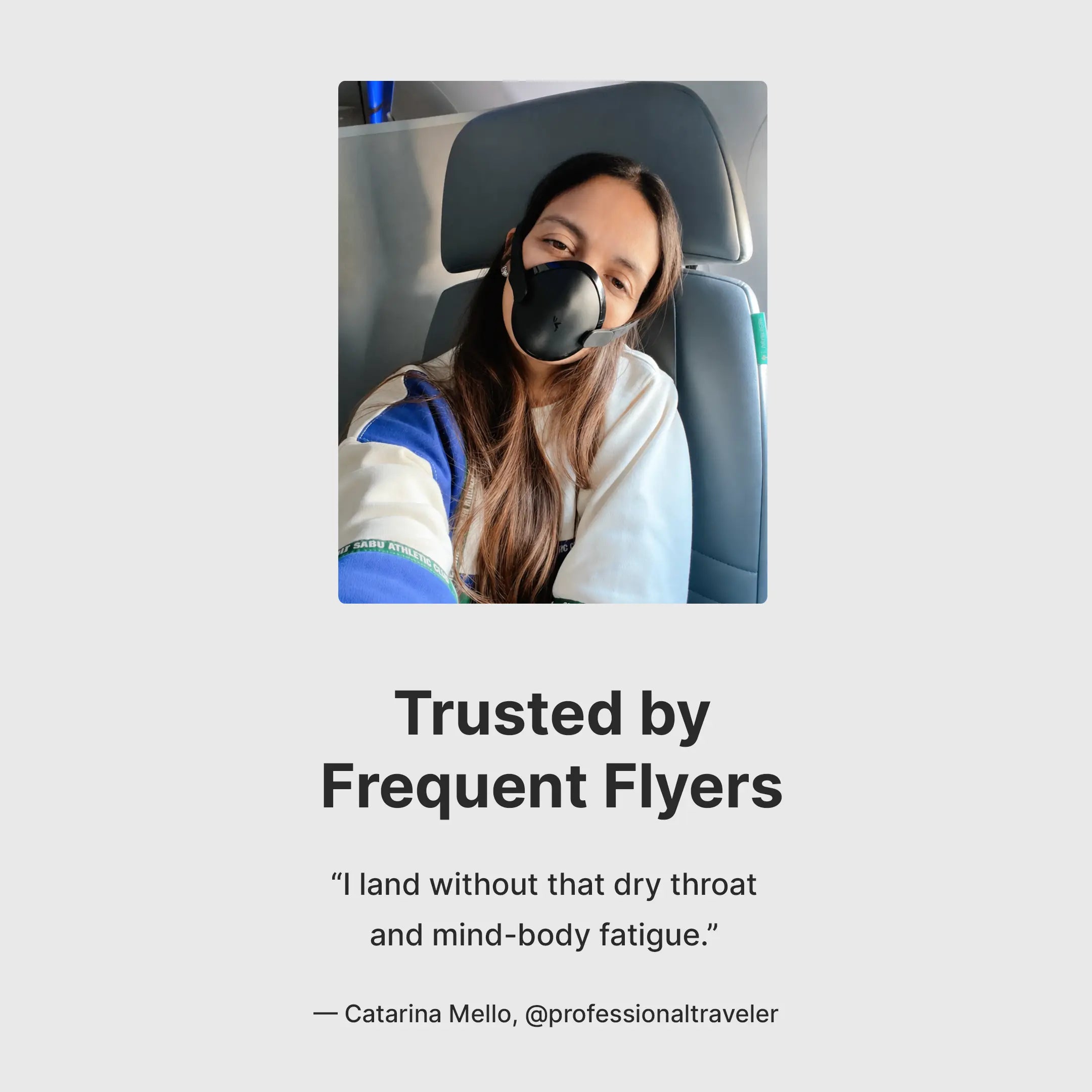
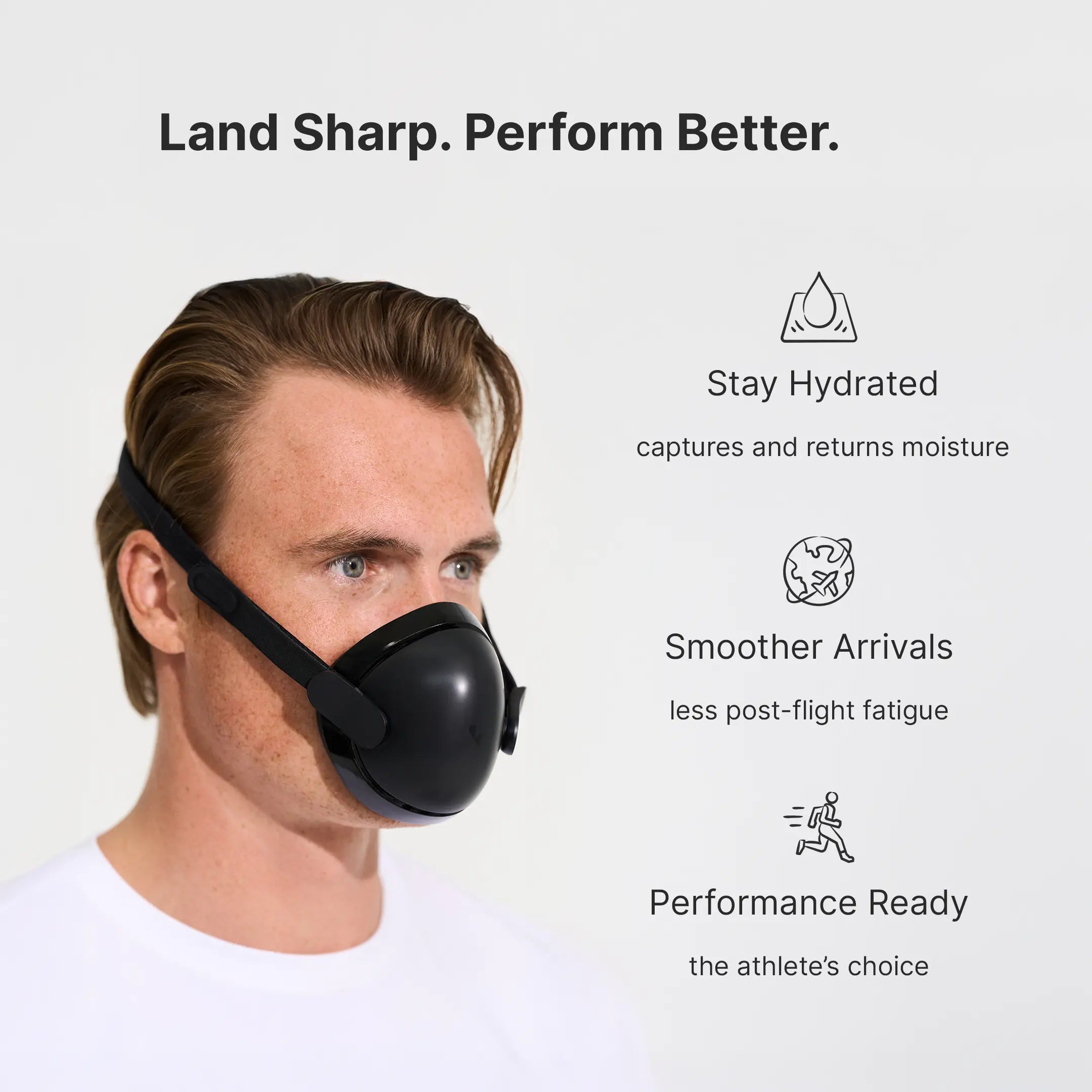
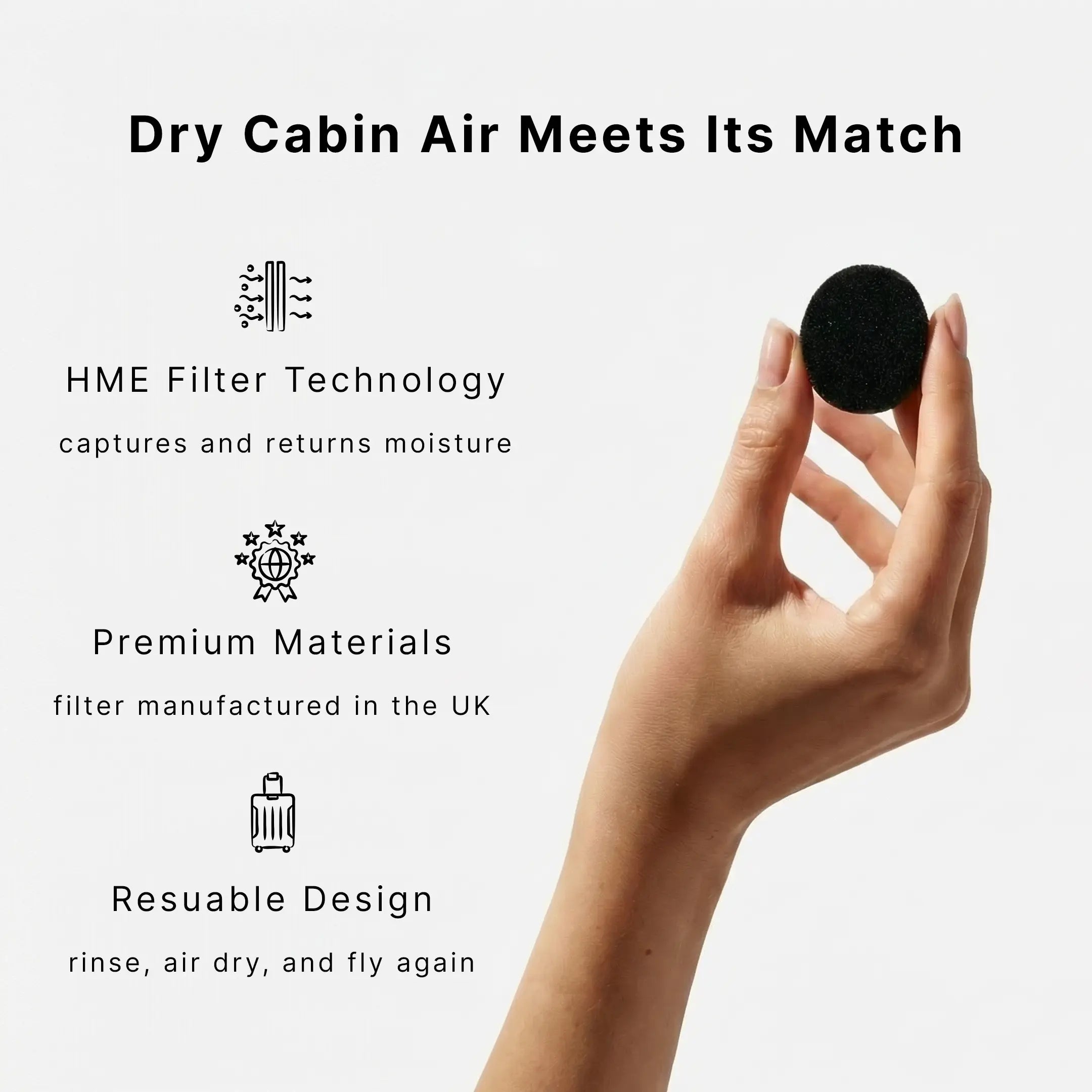
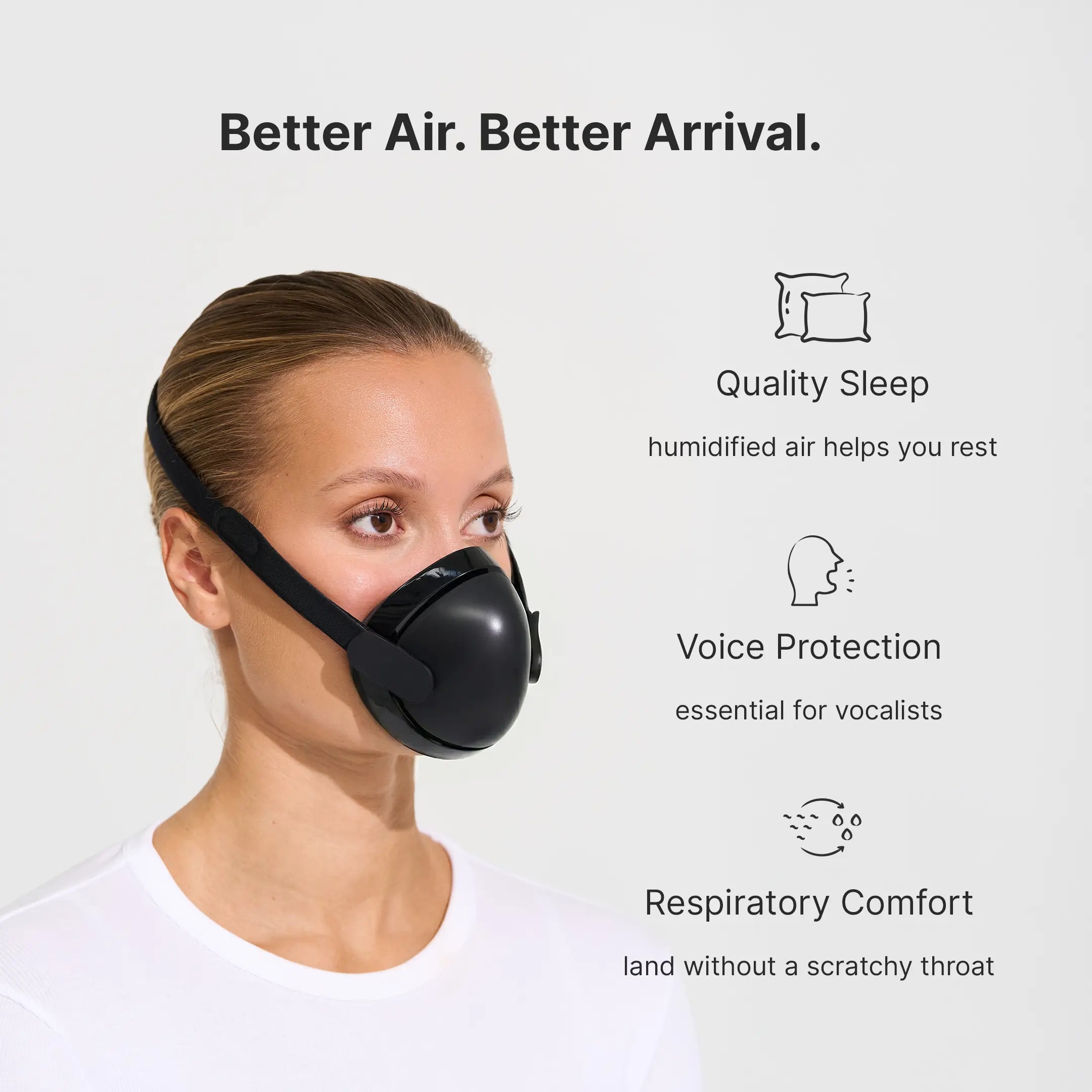
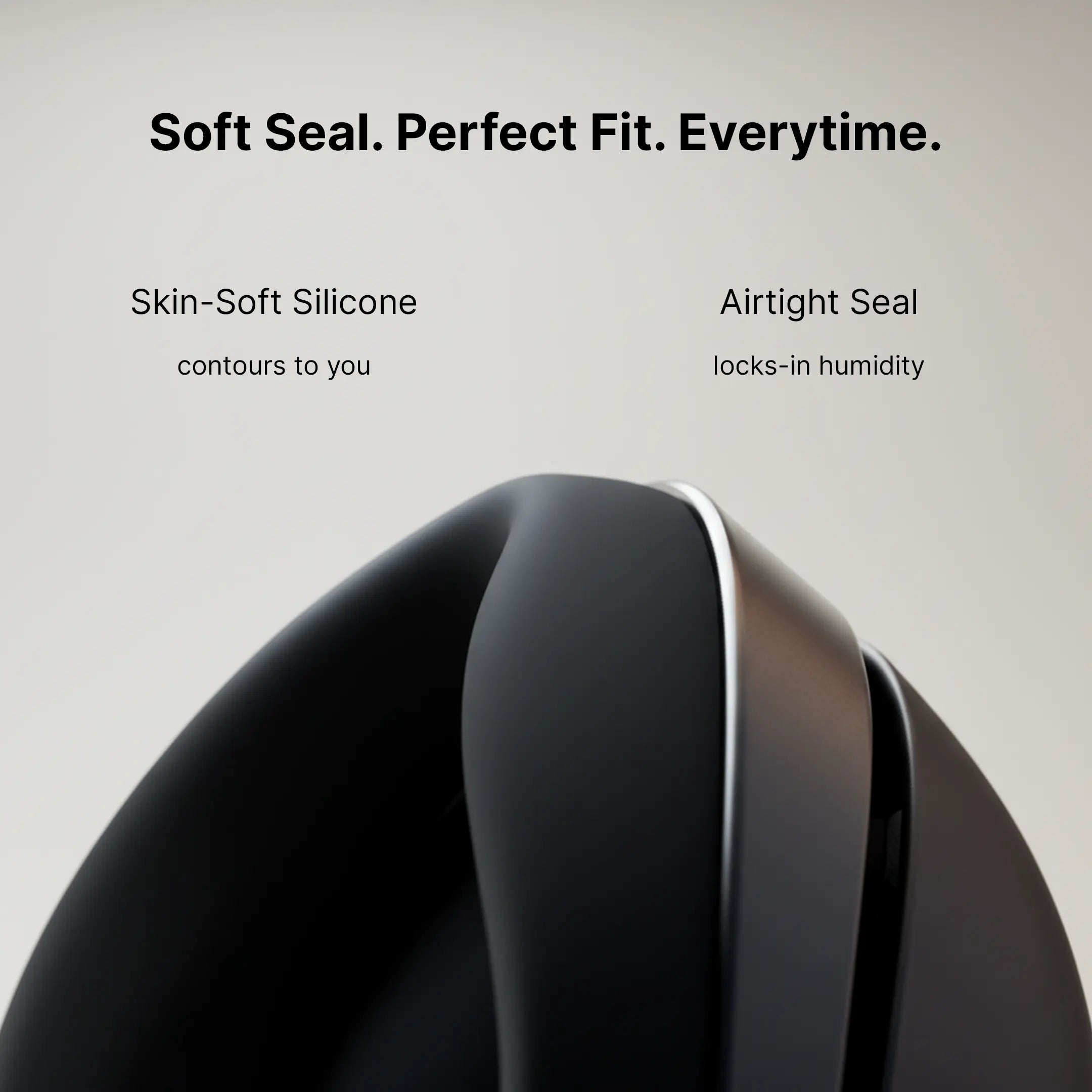
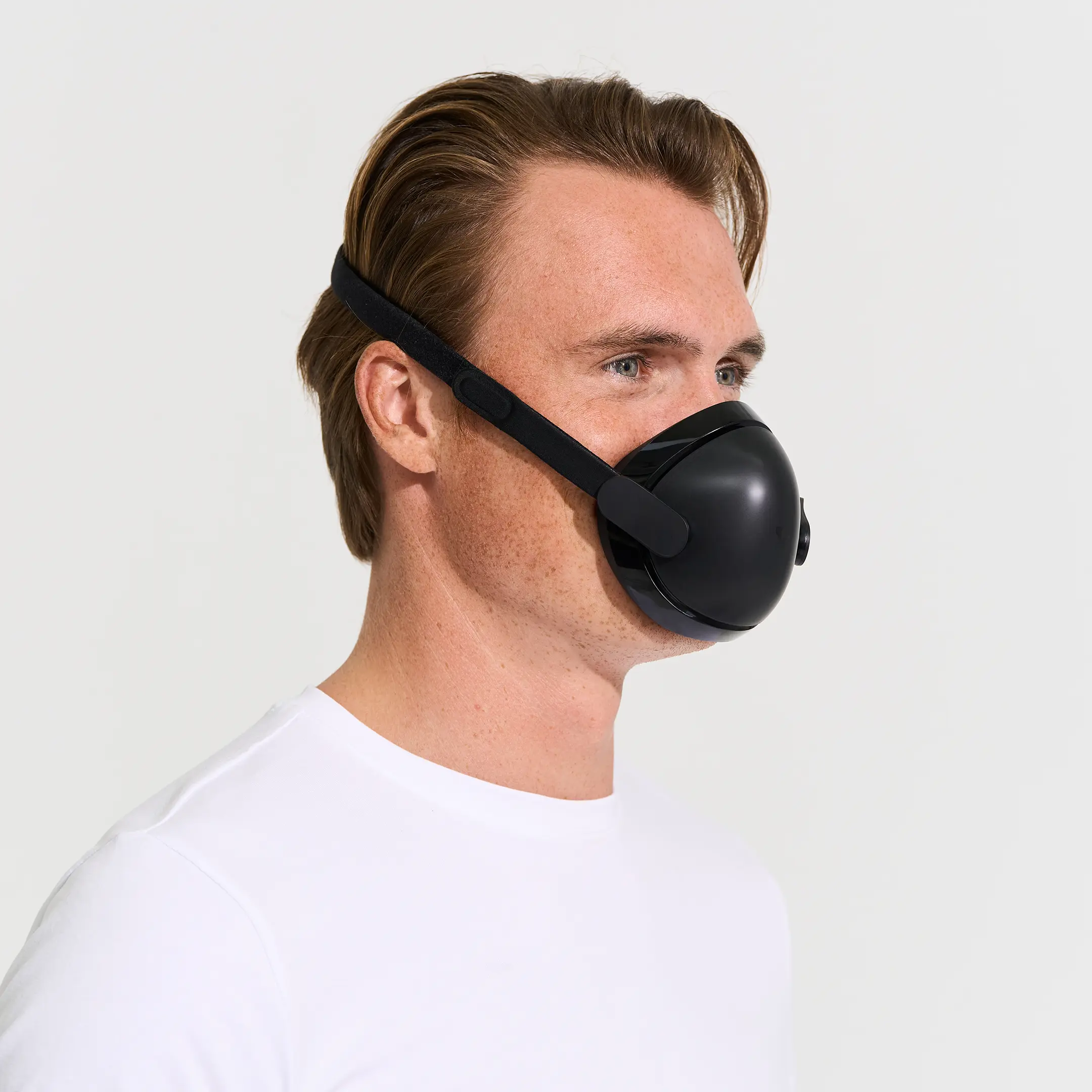
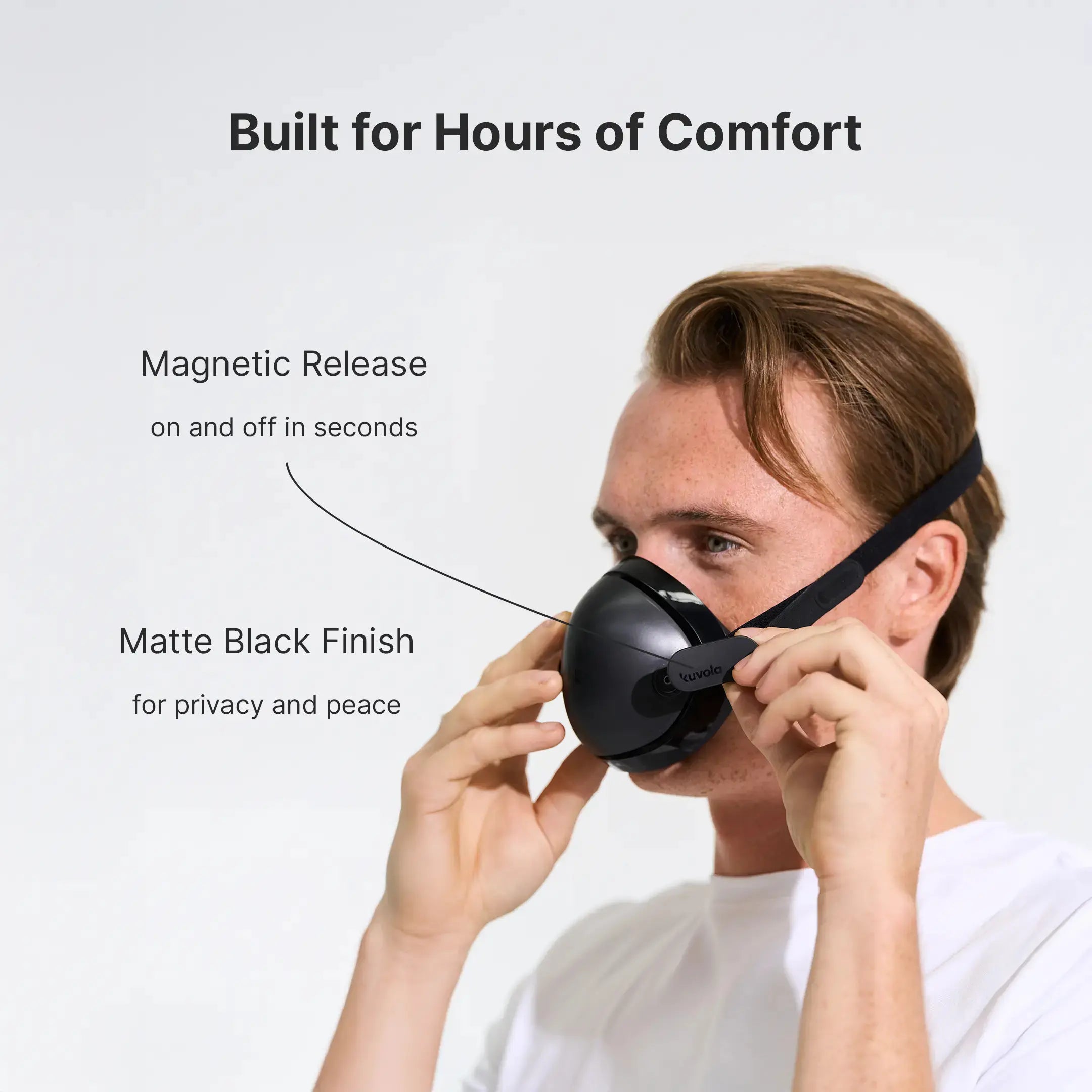
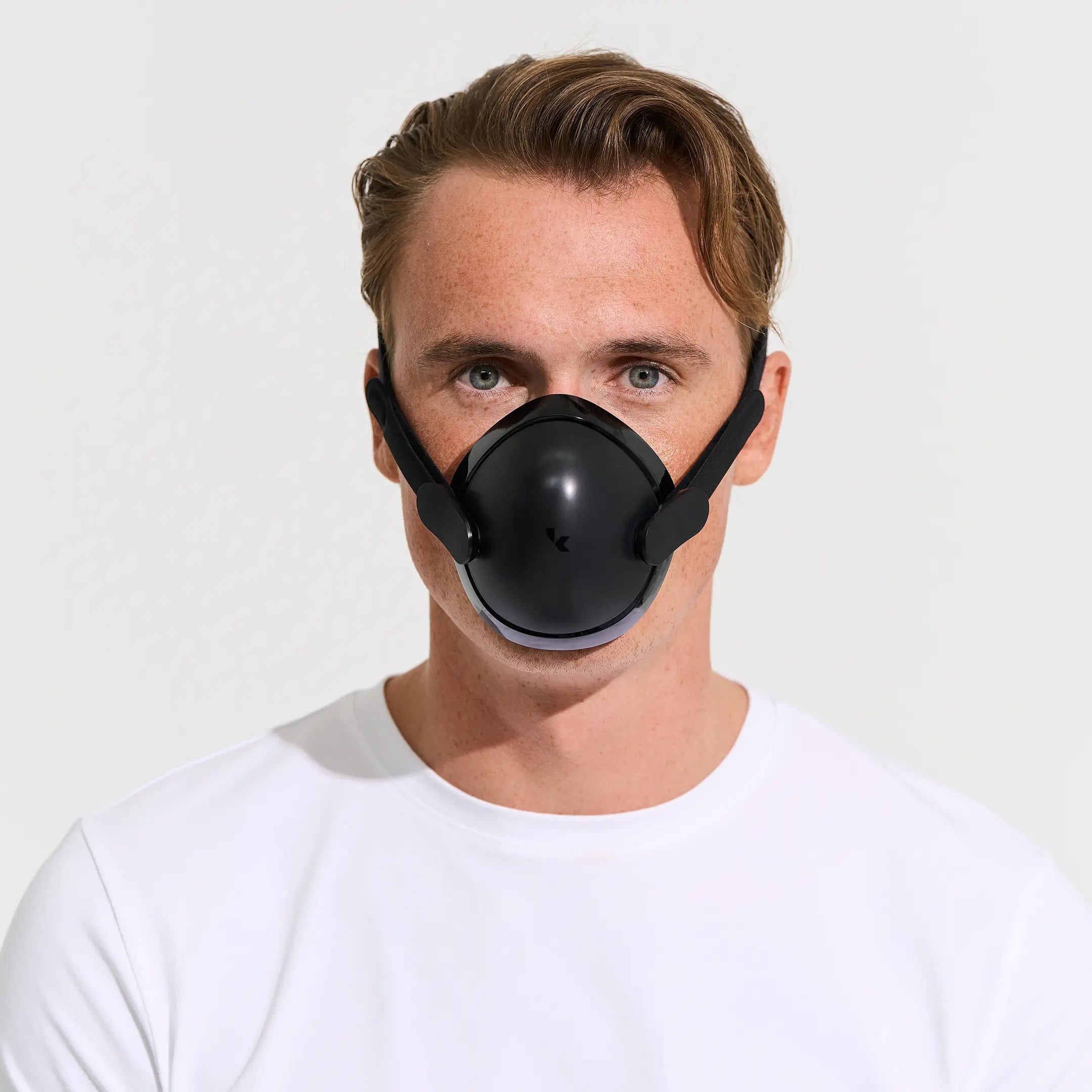
Related Article: How the Kuvola Humidifier Mask Works

2. "Water washes away thick throat phlegm"
The myth: Drink enough water and you'll rinse that stubborn mucus right off your throat.
The anatomy reality: The mucus sitting on or near your cords is on the airway side. The water passes behind it, down the food pipe. You can't rinse something that's in a tube you're not pouring water into. Only sustained hydration over hours can thin mucus from the inside out, because it changes the composition of what your mucous glands secrete. [1, 2]
The real fix: Stay hydrated all day (not just at the theater). If you're dealing with thick mucus during a run, steam for 10-15 minutes before the show. A saline nebulizer works even better. Avoid dairy and antihistamines before performing if you're prone to thickening - both can dry out or gum up secretions.

3. "Chugging water backstage fixes a voice crack"
The myth: Something just went wrong onstage. Quick - chug water before your next entrance and your voice will reset.
The anatomy reality: Water takes roughly 4 to 24 hours to be absorbed through your digestive tract, enter your bloodstream, and hydrate tissue at the cellular level. That frantic backstage chug does absolutely nothing for the song you're about to sing. Your cells don't work on a five-minute turnaround. [1, 2, 3]
The real fix: The voice crack already happened. For the next entrance, do a few gentle lip trills and semi-occluded vocal tract exercises (straw phonation, humming) to re-coordinate your airflow. Long-term, the fix is being well-hydrated before you even arrive at the venue. Think of hydration like sunscreen - you apply it before you go outside, not after the burn.

4. "Ice water tones or tightens loose vocal muscles"
The myth: Cold water "firms up" your vocal apparatus the way an ice bath tightens muscles after a workout.
The anatomy reality: Cold water chills your esophagus. It does not contact your larynx. But here's the thing that makes this myth actually harmful: the extreme cold can cause the surrounding throat muscles to reflexively constrict and tense up. Tension is the enemy of good singing. You're not toning anything - you're adding strain. [1, 2, 3]
The real fix: Room-temperature water, always. If your voice feels "loose" or unfocused, the issue is usually coordination, not muscle tone. Do targeted warmups - scales on a straw, lip trills through your range - to get your folds adducting cleanly.

5. "Water washes away vocal fatigue after a belting session"
The myth: You just powered through eight shows this week. Water will flush the exhaustion out of your voice.
The anatomy reality: Vocal fatigue is mechanical damage - muscle exhaustion and microscopic swelling from repeated high-impact collisions of your vocal folds. Water can't reduce swelling on tissues it never touches. This is like trying to ice your knee by drinking cold water. Same body, wrong delivery system. [1, 2]
The real fix: Vocal rest. Actual silence, not "quiet talking." If swelling is significant, your ENT or laryngologist may recommend anti-inflammatory protocols. Steam helps keep the tissue supple while it recovers. And the preventive fix: build stamina gradually, use proper technique so you're not smashing your folds together harder than necessary, and negotiate your show schedule if eight-show weeks are destroying you.

6. "A sip of water cures the scratchy feeling of a vocal strain"
The myth: That raw, scratchy sensation means your throat is dry. Water will soothe it.
The anatomy reality: The scratchiness is localized irritation or micro-swelling on the vocal folds themselves. Swallowed water goes down the esophagus and leaves the irritated tissue untouched. The relief you feel? Mostly your brain being distracted by the swallowing motion and the cool sensation in your throat (esophagus). Feels nice. Cords are still irritated. [1]
The real fix: If you're strained mid-show, soften your approach - less push, more breath support, less volume where the score allows it. After the show: vocal rest, steam, and if it persists more than a few days, see a laryngologist. Don't "push through" a strain for weeks hoping water will sort it out. That's how nodules happen.

7. "Drinking water protects your voice from dry backstage air"
The myth: The air backstage (or on the tour bus, or in the hotel) is bone-dry. Drink enough water and you'll counteract it.
The anatomy reality: Dry ambient air hits your respiratory tract directly - you breathe it in, it dries out your vocal folds on contact. Swallowed water does not create a protective barrier on your airway. Two separate tubes, same problem as every other myth on this list. Drinking water hydrates you systemically over hours, which helps, but it can't shield your cords from the dry air you're breathing in right now. [1, 2, 3, 4]
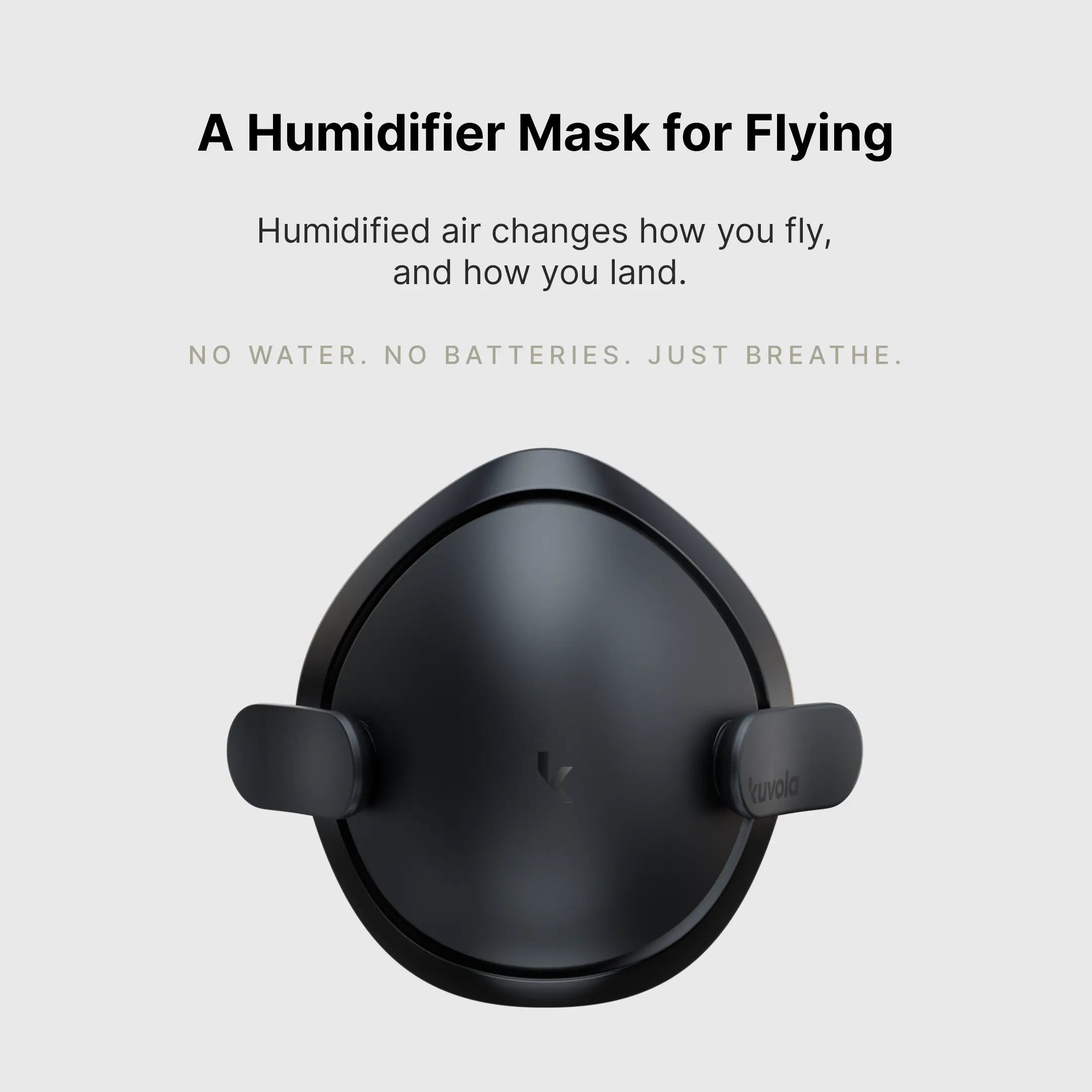
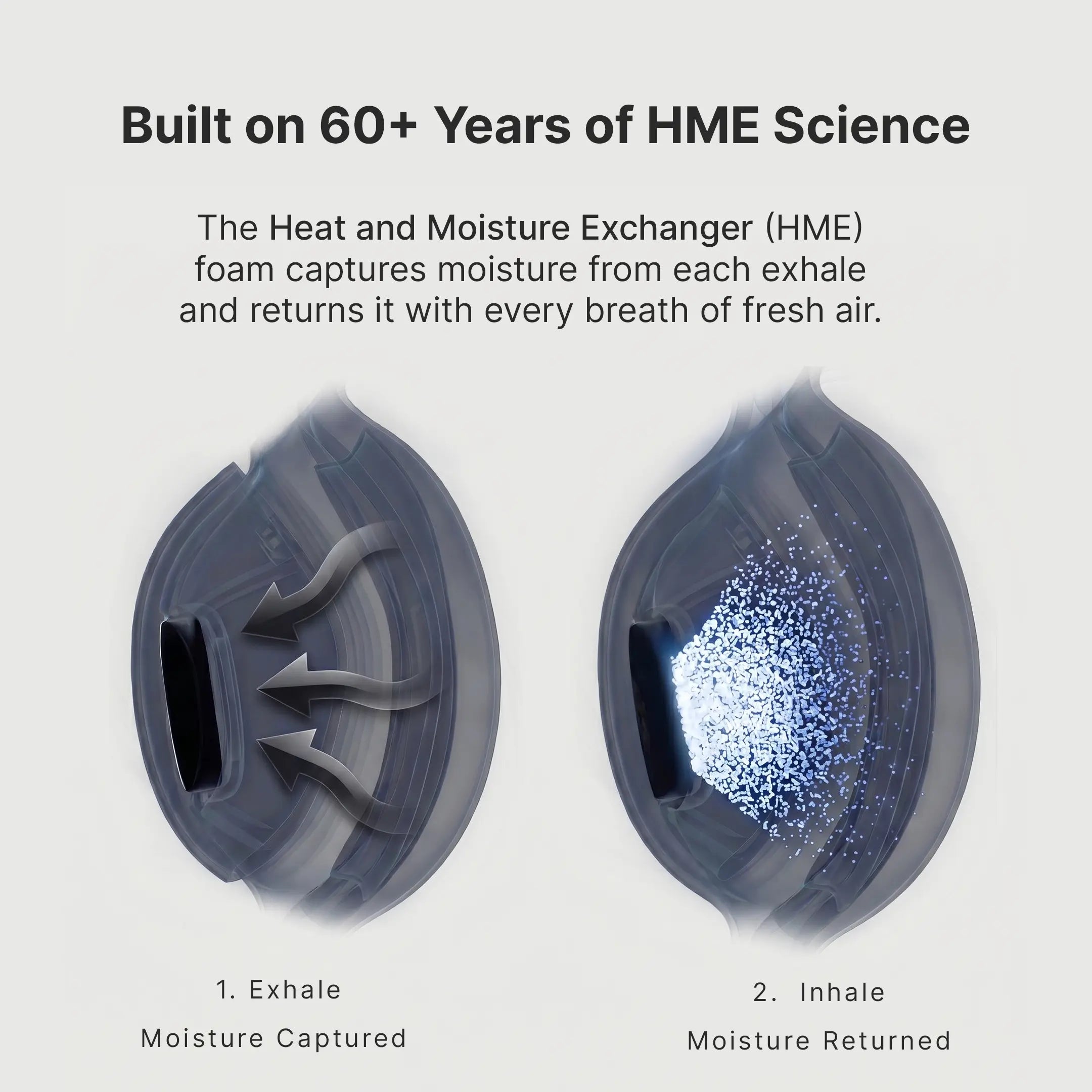
The real fix: Inhale steam or use a personal humidifier mask with isotonic saline before and between shows. A portable humidifier in your dressing room does more for your voice than any water bottle. And yes - still drink water throughout the day. Systemic hydration matters. It just doesn't build a force field around your trachea.
The bottom line
Water is good for your voice. Nobody is saying stop drinking it. But it works through your bloodstream, over hours - not by splashing onto your vocal folds like a car wash. Hydrate all day long, and use steam or nebulized saline when you need moisture where it actually counts.
Your castmates will still argue with you about this at intermission. Send them the article.